
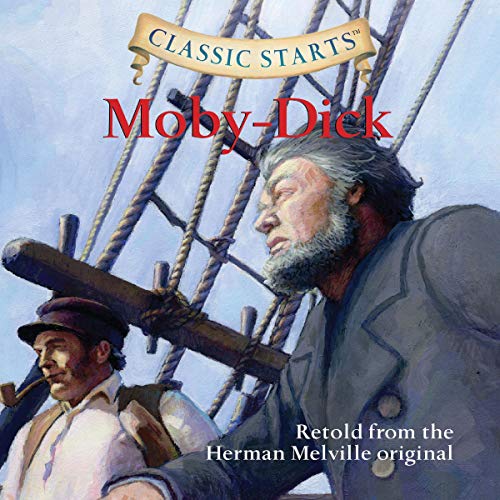
[The Elusive White Whale: Sightings, Obsession, and the Giant Squid]-[Moby-Dick - Part 12]
📋 Summary
The Pursuit of Moby Dick: A Narrative Analysis
The Anatomy of a Hunt
The narrative begins with the crew of the Pequod experiencing a series of false alarms. On multiple occasions, the sighting of "a line of bubbles" or a "spout of water" emerging from a "blowhole" triggers a frantic response from the crew. The watchman’s cry of "'There she blows!'" serves as the catalyst for these pursuits. However, the elusive nature of the target—often disappearing before the crew can engage—leads to growing speculation among the men. Many insist these sightings are the work of the same "white whale," Moby Dick, whom they believe is "taunting" them and "challenging us to a fight."
Ahab’s Singular Obsession
A central theme of this chapter is Captain Ahab’s psychological descent into obsession. His fixation on Moby Dick has eclipsed all professional and personal duties. He displays no interest in the welfare of his crew, the success of the voyage, or the "oil they would bring home." Instead, he is consumed by his desire to find the whale. His behavior is erratic; when sightings occur, he becomes "very excited," obsessively "plotting exactly where he should go next" based on the migration patterns of the whale’s food source, "Brit." Conversely, when no sightings occur, he retreats into a state of agitation, pacing the deck and muttering to himself, leading Starbuck to fear that the captain is "going insane."
The Encounter with the Unknown
The tension culminates when the crew spots a "great white mass" in the water. Believing they have finally located their nemesis, the crew moves with "lightning speed," lowering four boats into the water. The anticipation is palpable, with the narrator describing his heart "beating fast" at the prospect of finally capturing the creature.
However, the reality of the encounter defies their expectations. The creature is described as "enormous" and "pulpy," but it remains strangely "gentle," failing to retaliate in the way the violent stories of Moby Dick had led them to expect. It is Starbuck who first identifies the truth: "It's not our whale." The monster is not the white whale, but rather a "giant squid," a creature so rare that "few men have seen it."
Aftermath and Reflection
The discovery that the creature is a squid—a monster that is "just as frightening" and potentially as "dangerous as Moby Dick"—brings a somber end to the pursuit. The narrator observes Ahab’s immediate withdrawal, noting that the captain returned to the Pequod without a word and remained in his cabin for "three days." This silence underscores the depth of Ahab’s disappointment; for him, any encounter that does not involve the white whale is a non-event, highlighting his total detachment from the reality of the sea and his singular, destructive focus on his target.
Deep Learning with ListenLeap


