
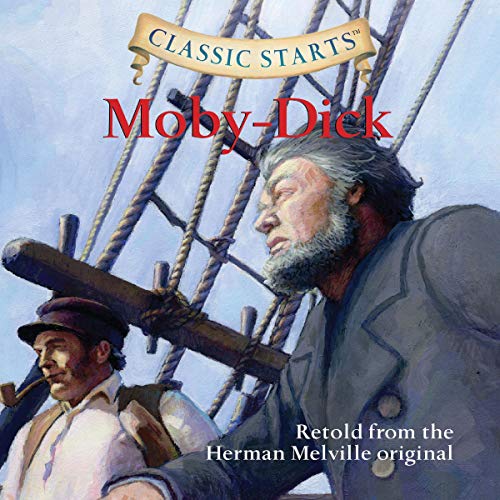
[The Obsession of Captain Ahab: The Hunt for Moby Dick]-[Moby-Dick - Part 09]
📋 Summary
The Quest for the White Whale: Ahab’s Dark Obsession
In Chapter 8 of the Moby Dick narrative, the story shifts from the routine life of a sailor to a dramatic confrontation fueled by vengeance. The protagonist, stationed in the "masthead"—a lookout shaped like a bucket high above the deck—witnesses a sudden shift in the ship's atmosphere. This observation point, designed to "view things from a great distance," becomes the setting for the unfolding of Captain Ahab’s singular, destructive purpose.
The Promise of the Doubloon
The tension begins when Captain Ahab gathers the entire crew on the main deck. Pacing with uncharacteristic excitement, he presents a "sixteen dollar coin"—a "doubloon"—as a bounty for the man who first spots the "white-headed whale with a wrinkled brow and crooked jaw." Ahab’s description transforms the whale from a mere creature of the sea into a legendary, almost mythical target. The crew, initially curious, is quickly swept into a frenzy of excitement as they recount stories of the beast, with harpooners like Queequeg confirming the whale's distinct features, such as "old corkscrew-shaped harpoons stuck in his side."
Ahab’s Revelation and Vengeance
As the crew shares their tales, Ahab’s behavior grows erratic. He declares the whale to be "the devil," abandoning his usual "moody and quiet" demeanor. The turning point of the chapter occurs when Starbuck, the first mate, confronts Ahab, asking directly, "Was it Moby Dick that took your leg?" Ahab’s response is a chilling admission: "It was Moby Dick who crippled me." This moment strips away the pretense of a standard whaling voyage. Ahab’s mission is no longer about commerce; it is a personal vendetta. He vows to "chase him all over the globe" and insists that the crew will sail through "all the seas of this earth" until the whale is dead.
The Dissent of Starbuck
While the majority of the crew is intoxicated by the prospect of reward and the thrill of the hunt, chanting "Death to Moby Dick," Starbuck remains the sole voice of reason. He challenges the Captain, arguing, "We are not here to hunt your personal enemy." Starbuck views the pursuit of a singular creature as a distraction from their true purpose: to "hunt whales" and secure "whale oil."
However, Ahab’s obsession has reached a point of no return. He dismisses Starbuck’s logic with a menacing hiss, claiming, "I have been in the mouth of this whale. You do not understand." He characterizes any opposition as "rebellion," effectively silencing the only man capable of questioning his authority.
Conclusion: A Ship Driven by Madness
The chapter concludes on an ominous note. The crew returns to their duties, their high spirits masking the dark reality of their mission. Only Starbuck remains silent, recognizing the underlying truth that the rest of the men have ignored: the captain’s quest is not a noble pursuit, but a descent into "madness." The ship is no longer just a vessel for hunting; it has become an instrument of one man's wrath, sailing toward an inevitable and tragic confrontation with the White Whale.
Deep Learning with ListenLeap


