
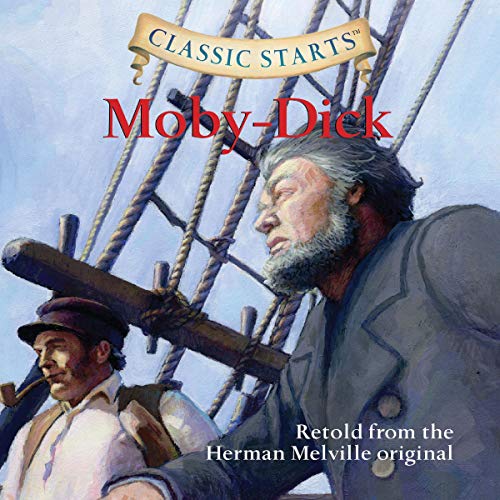
[The Rhythms and Hierarchy of the Pequod: Observations on Captain Ahab]-[Moby-Dick - Part 08]
📋 Summary
The Rhythms and Hierarchy of the Pequod: Observations on Captain Ahab
A Shift in the Captain’s Demeanor
As the Pequod journeyed south and the weather transitioned into the warmth of April and May, a noticeable transformation occurred in Captain Ahab. Initially characterized by a somber "silence," Ahab began to reintegrate with the crew. The narrator observes that Ahab "began to act more like the rest of the crew," even displaying a "faint blossom of a look" that hinted at a potential smile. Despite his physical challenges—specifically the difficulty of navigating the ship with his "ivory leg," which manifested in the "struggled" breath he took while climbing ladders—Ahab regained both "strength and spirit." However, his presence remained defined by the "near-constant rhythm" of his "tap, tap, tap" upon the deck, a sound that underscored his relentless scanning of the sea for something "more than just a whale."
The Disciplined Order of Whaling Life
Contrary to the perception of whaling ships as "unruly," the narrator emphasizes that life on the Pequod was "well ordered." The ship operated under a strict hierarchy where the "captain has ultimate power" and all crew members "must obey his command." This social structure dictated every aspect of daily life, including the separation of quarters and dining arrangements. The officers—Starbuck, Stubbs, and Flask—maintained a formal distance, as they "ate and slept separate" from the rest of the crew, reinforcing the rigid chain of command that governed the ship's operations.
The Unique Status of Harpooners
One of the most striking aspects of the Pequod's social dynamic is the elevation of the harpooners. Despite their often non-white, native backgrounds, which would have relegated them to the fringes of society on land, they occupied a position of prestige on the ship. The narrator notes that "harpooners are treated like officers" because they perform "one of the most important jobs"—capturing whales with their spears. This egalitarian exception highlights how "life at sea is different from life on land," allowing for a degree of professional respect that transcended the racial prejudices prevalent in the outside world.
The Ritual of the Dinner Table
Dining on the Pequod served as a microcosm of Ahab’s leadership style. The process was a highly ritualized affair, initiated by the steward and passed down through the ranks: "Mr. Starbuck, dinner," followed by the subsequent summons to Stubbs and Flask. Ahab, described as presiding "like a silent but wild sea lion," remained detached and "moody." He focused entirely on his meal, cutting meat with a "large knife" while ignoring the officers who watched him with "much interest." This ritualized silence and the deliberate sequencing of meals further cemented Ahab’s role as an enigmatic, absolute authority figure whose moods dictated the atmosphere of the entire ship.

Deep Learning with ListenLeap


