
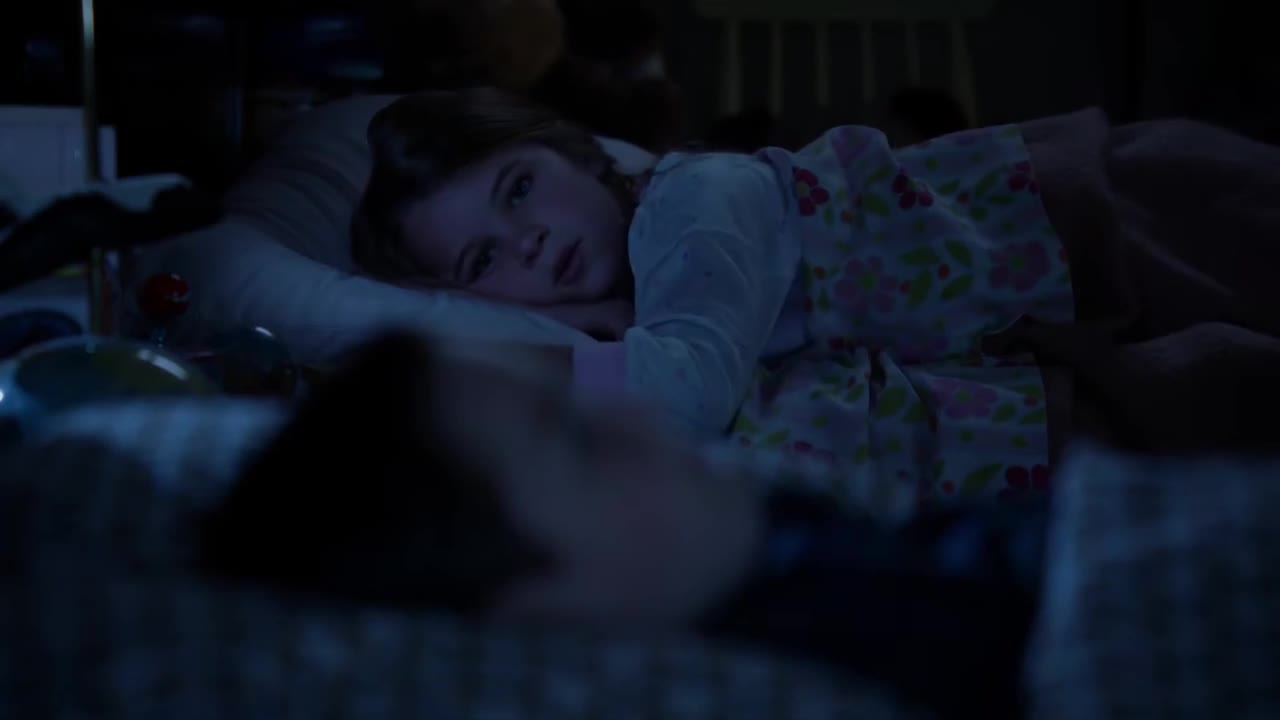
[The Dynamics of Sibling Bonds and Unspoken Affection in Young Sheldon]-[Missy Uses Twin Telepathy to Bring Sheldon Back Home | Young Sheldon]
📋 Summary
The Complexity of Sibling Rivalry and Expectations
The dialogue between Sheldon and his brother captures the quintessential friction found in sibling relationships, characterized by a mix of condescension and underlying dependency. When the brother mentions his ambition to become a "professional male model," Sheldon’s immediate dismissal—calling it "hilarious"—highlights his intellectual arrogance. Sheldon’s refusal to acknowledge his brother's potential, stating, "No, that you think you'll graduate high school," serves as a classic manifestation of his superiority complex. However, beneath this banter lies a subtle vulnerability. When the brother asks, "Are you going to miss me?" it shifts the conversation from surface-level insults to the reality of impending separation.
The Metaphor of 'String Beans'
Perhaps the most poignant moment in the script is Sheldon’s unconventional attempt to describe his brother's presence in his life. He compares his brother to "string beans," noting that "no one asks for them" and "no one wonders about them," yet acknowledges, "They're just there on the plate." This metaphor perfectly encapsulates Sheldon’s perspective: he views his brother as a constant, unremarkable, yet essential fixture of his daily life. By stating, "But you eat them, right?" and admitting he is "used to" his brother, Sheldon reveals a grudging acceptance of their bond. It is a sterile, logical way of expressing affection—an admission that while he may not "like" the presence, he has integrated it into his existence to the point where its absence would be felt.
The Contrast of Emotional Expression
The narrative shifts from the intellectualized, often cold interaction between the brothers to the more overt emotional landscape of the family back home. Missy’s phone call acts as a bridge, grounding the scene in the reality that Sheldon’s absence is felt deeply by others, particularly his mother. Missy’s blunt observation, "I think Mom misses you real bad," contrasts sharply with Sheldon’s clinical detachment. While Sheldon struggles to process emotions, the family dynamic operates on a level of intuitive care that he is only beginning to navigate.
The Resolution: A Return to Familiar Boundaries
The final interaction with his father provides a rare moment of genuine, albeit guarded, vulnerability. Sheldon’s admission, "I'm glad you came to get me," signifies a shift from his earlier posturing. It demonstrates that despite his efforts to remain detached and "used to" a state of isolation, he values the security provided by his father. However, the scene concludes with Sheldon’s trademark rejection of physical intimacy—"No hugging, no hugging!"—which reinforces his character arc. Even in moments of reconciliation and relief, Sheldon maintains his rigid boundaries, proving that while he may appreciate the support of his family, his fundamental nature as a man who prefers logic over tactile affection remains unchanged. This interplay between the desire for connection and the fear of emotional exposure defines the core of his character's development during this period of transition.
Deep Learning with ListenLeap


