
[The Dynamics of Competition and Support: A Baseball Field Perspective]-[Missy Strikes Out Her Boyfriend! | Young Sheldon]
📋 Summary
The Illusion of Strategy and the Reality of Rivalry
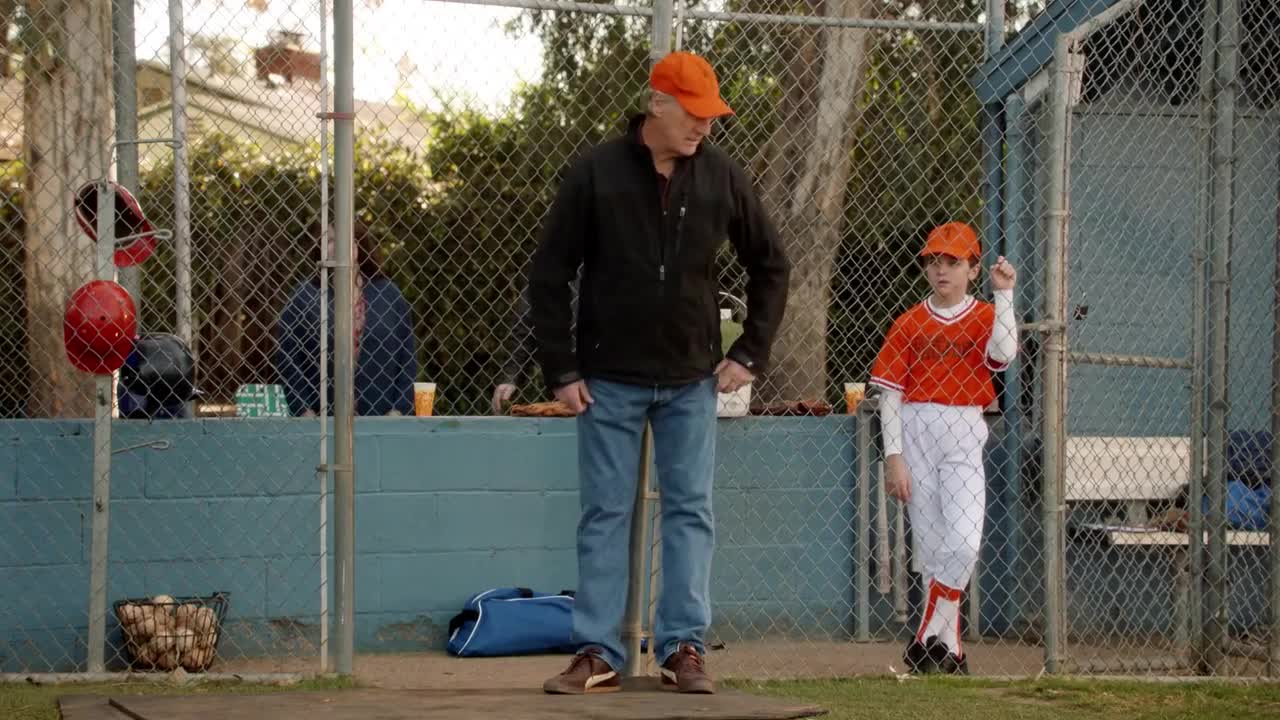
In the provided transcript, the dialogue centers around a high-stakes moment during a baseball game, revealing the intricate social dynamics between the characters. The opening tension—"We're going to lose" versus "Oh, we're going to be fine"—establishes a classic conflict between pessimism and optimism. The central figure, identified as "Pal" or "Coop," steps into a pitching role with the specific intent to "strike Marcus out." This objective highlights the personal nature of the competition, as the game becomes a surrogate for the characters' complex interpersonal relationships.
The Intersection of Personal Lives and Athletics
One of the most compelling aspects of the exchange is the blurring of lines between the game and the characters' private lives. The revelation that Marcus is the pitcher's girlfriend—a fact confirmed via "Meemaw"—adds a layer of social complexity to the athletic performance. When the protagonist claims, "I was just being nice" regarding the decision to "save my arm for playoffs," it serves as a cynical rebuttal to the idea of sportsmanship. This indicates that the strategic decisions made on the field are often subservient to the characters' underlying social agendas. The remark, "Since when are you nice?" followed by the retort, "Well, don't get used to it," underscores a recurring theme of emotional guardedness and the transactional nature of their support for one another.
Pressure and Performance under Scrutiny
As the game progresses, the pressure on "Coop" intensifies. Observers on the sideline, such as Billy, attempt to interject with logistical questions like, "I thought we were saving her arm," only to be brushed aside with a sharp, "Not now, Billy." This illustrates how the immediate demands of the game override long-term planning and rational discussion. The encouragement provided—"You got this," "Hang in there," and "Bear down"—functions as a rhythmic, almost ritualistic attempt to stabilize the pitcher’s focus.
Concluding the Conflict
Ultimately, the interaction captures the essence of youth sports as a venue for testing not just physical skill, but emotional resilience. The transition from "Player change" to the final "Good game" encapsulates a complete arc of competition. While the dialogue is sparse, the use of specific, high-pressure directives like "Two more, Coop" demonstrates that the support system surrounding the pitcher is as integral to the outcome as the pitch itself. The narrative serves as a microcosm of human interaction, where personal grievances, social secrets, and athletic goals collide in a brief, intense window of time on the field.
Deep Learning with ListenLeap


