
[A Secret Lesson in Father-Son Bonding]-[Missy Guilts Dad into a Driving Lesson | Young Sheldon]
📋 Summary
The Unexpected Invitation
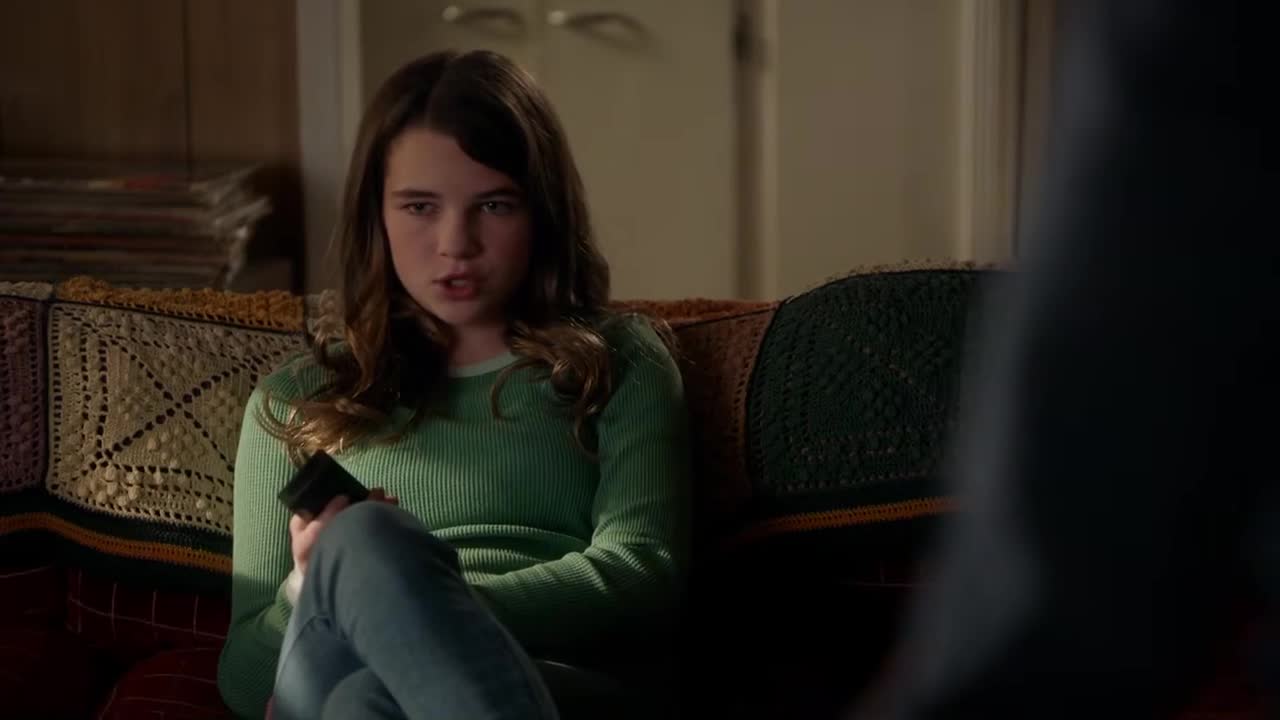
The interaction begins with a seemingly casual request from the father, who asks his son to join him for an outing. The dialogue highlights the typical dynamic of a parent-child relationship, where the child, ever suspicious of the parent's intent, asks, "Something I think is fun or something you think is fun?" This establishes a tension between the father's desire for connection and the son's skepticism. The father’s insistence on "something we both think is fun" signals a shift from his usual authority to a more collaborative, albeit secretive, experience.
The Persistence of Desire
A central theme in this exchange is the son’s relentless pursuit of independence, specifically his desire to learn to drive. He uses emotional leverage, suggesting that the experience would "make me feel so much better about all the stuff Sheldon gets to do." This indicates a sibling rivalry or a perceived imbalance in the attention or privileges afforded to his brother, Sheldon. Despite the father’s initial firm refusal—"You're not driving"—the son continues to push, moving from bargaining to playful manipulation, even referencing "creating memories that'll last a lifetime" as a way to guilt his father into compliance.
The Breaking Point and the Lesson
The father’s resistance eventually crumbles, likely due to his own desire to bond with his son and perhaps a moment of post-meal indulgence: "Boy, am I stuffed." Once the father gives in, the tone shifts from contention to instruction. The technical guidance provided—"Put on the brake," "pull the shifter toward you and then down to D"—serves as the backbone of the interaction. This transition marks the moment the father stops being just a disciplinarian and becomes a mentor.
The Bond of Secrecy
The most critical aspect of this lesson is not the mechanical act of driving, but the establishment of a secret alliance. The father explicitly warns, "Do not ever tell your mother we did this," to which the son responds, "I'm not an idiot." This pact creates a unique space for the two characters, separate from the maternal authority figure. The final exclamation, "I'm driving!" encapsulates the son's triumph and the culmination of their shared secret. The episode serves as a microcosm of how trust and boundaries are negotiated within a family, using a mundane activity like driving as a vehicle for emotional intimacy and the forging of a private, enduring connection.
Deep Learning with ListenLeap


