
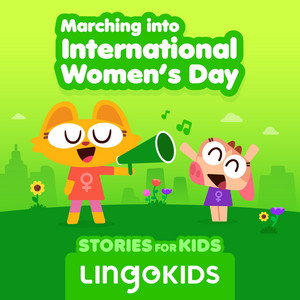
[The Power of Marching: Understanding International Women's Day]-[Marching Into International Women's Day]
📋 Summary
The Power of Marching: From Play to Purpose
In this episode of Stories for Kids by Lingo Kids, the characters begin their day with a lighthearted game of marching. Accompanied by a tambourine and a sense of silliness, they initially view the act of marching as merely a fun activity. However, the narrative quickly shifts to explore the historical and social significance of marching as a powerful tool for social change.
Moving Beyond the Game
While the Lingo Kids characters see marching as "play plus fun plus silly plus tambourine," Billy introduces a deeper perspective. He notes that a march is not always a game. The podcast highlights that over a hundred years ago, groups of women engaged in marches that were far from recreational. These women marched to "express their demands."
Understanding Demands and Fairness
The podcast defines "demands" as asking strongly for what one wants and insisting that it must happen. The historical context provided reveals two primary injustices that these women faced:
- Voting Rights: Women were not allowed to vote, meaning they lacked a voice in choosing leaders or deciding the rules of their communities.
- Economic Inequality: Women were not receiving the "right amount of money" for their hard work. Despite working all day, they were only given a "tiny bit of money."
These systemic issues were met with silence from those in power. As the characters observe, "nobody was listening," which created a feeling of being "stuck." Marching became the necessary alternative to being ignored. By using their feet instead of just their voices, these women performed a "brave thing to do" to force society to pay attention to their plight.
The Legacy: International Women's Day
The persistence of these early activists eventually paid off, leading to the acquisition of voting rights and improved working conditions. This historical movement evolved into what we now recognize as International Women's Day, celebrated annually on March 8th.
International Women's Day serves as a multifaceted holiday. It is a time for:
- Celebration: People give flowers and acknowledge the "accomplishments" of women.
- Gratitude: It is a moment to say thank you to the women who have done wonderful things.
- Continued Advocacy: Most importantly, it remains a time to "continue fighting for women's rights."
Conclusion: Turning Awareness into Action
The episode concludes by bridging the gap between historical activism and contemporary celebration. The Lingo Kids characters decide to honor the spirit of the march not just through play, but through an understanding of its history. By marching, they acknowledge the struggles of the past and the ongoing work required to ensure everyone is "treated fairly." This episode serves as an excellent introduction for young listeners to the concepts of equality, advocacy, and the historical importance of making one's voice heard.
Deep Learning with ListenLeap


