
[Embracing Winter: A Journey of Self-Reflection and Mindful Change]-[How I Will Be Making 2024 The Best Year Yet - Preparing For A New Era]
📋 Summary
Embracing the Season of Wintering and Mindful Growth
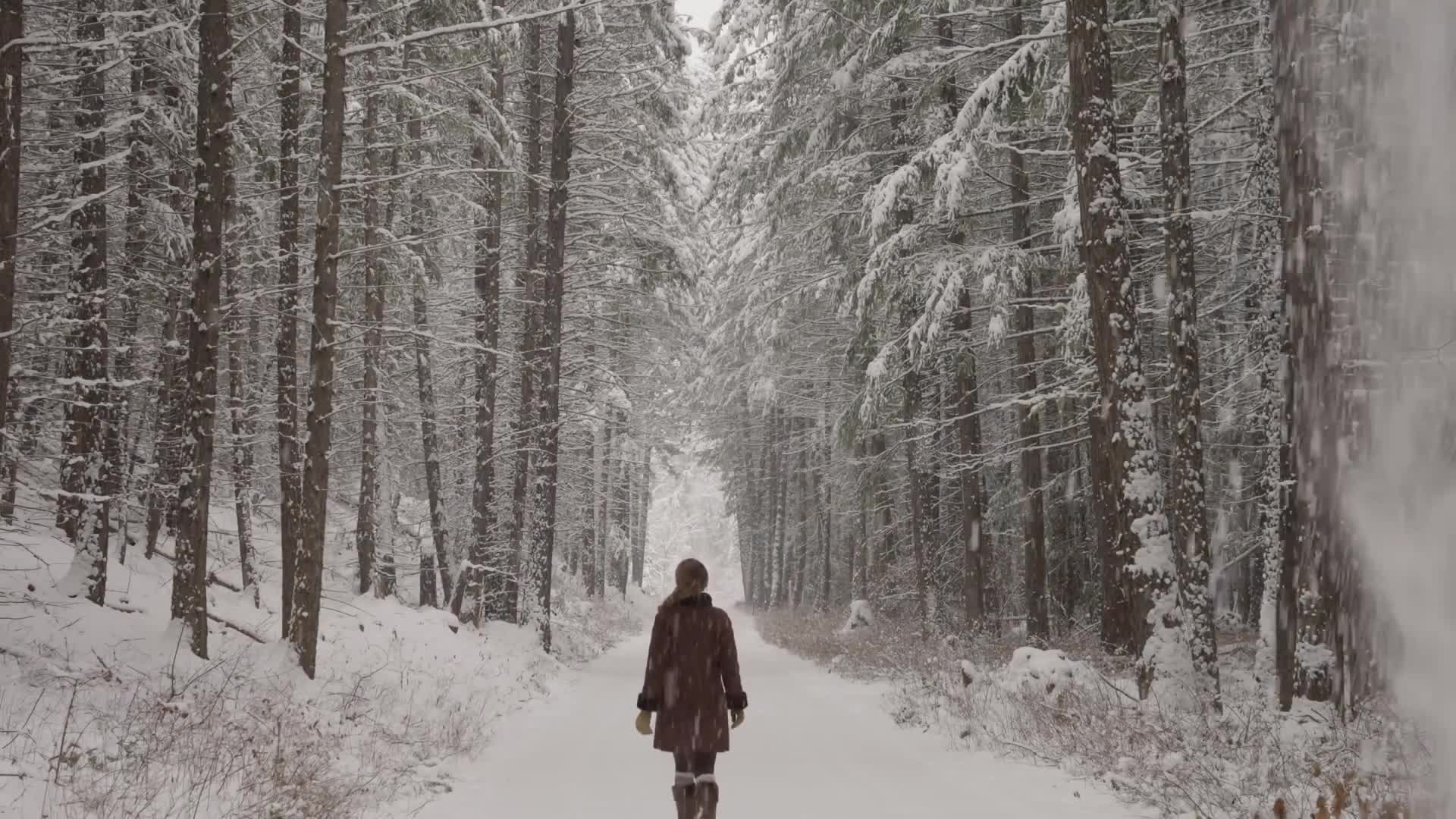
As the year draws to a close and the landscape transforms into a "quaint little landscape painted on a snowy afternoon," the narrator invites us to reconsider our relationship with the winter season. Often viewed as a time of restriction, winter is reframed here as a "crucial" period for the health of the wilderness, and by extension, a necessary time for human "wintering." This transition into the new year serves as a backdrop for a deeper exploration of how we approach personal change and the pursuit of a simpler, more intentional life.
The Power of Inner Inquiry
One of the most profound insights shared is the approach to New Year's resolutions. While many people focus on external lifestyle changes—such as exercising more or reducing phone usage—the narrator argues that these efforts often fail because they lack an "inquiry within." Before attempting to apply "true self-control," one must identify the internal obstacles. The narrator poses a critical question: "What is it within, in my heart, that is hindering my journey towards who I want to be?"
By acknowledging that "fear of some kind" often blocks our progress, the narrator emphasizes that "unburdening myself of those suppressed emotions" is the prerequisite for making "practical change." This internal work allows for a shift toward a lifestyle defined by "slowness and simplicity," proving that nurturing the soul is the foundation for any lasting external transformation.
Navigating Life’s Unknowns
For those feeling lost at a "crossroads" or facing the "unknowns" of the future, the narrator suggests that the most effective compass is an openness to one’s "inner world." By learning to "question your fearful and unhelpful thoughts," one can allow the "waters within to settle and clear." This meditative approach does not require a rigid plan; rather, it encourages a slow, steady discovery of what one truly desires. Embracing this uncertainty with an "excited" heart, even without knowing exactly what life will look like next year, is presented as a courageous act of self-trust.
Acceptance as a Sustainable Strategy
Life is rarely static, and the narrator highlights the importance of an "era of huge acceptance." Whether dealing with the "chaotic" demands of customer service work, the logistical strain of regular "doctor's appointments," or the shifting landscape of content creation, the message remains clear: "everything changes in time."
In the context of professional life, the narrator notes the pressure to be consistent and high-energy for platforms like YouTube. Choosing to accept the "consequences" of slowing down has been a "super positive thing." This philosophy of "acceptance of circumstances" is not about giving up, but about making changes that are "realistic and practical and sustainable."
Finding Joy in Imperfection
Finally, the narrative touches on the beauty of letting go of perfectionism. Through the simple, relatable anecdote of making "gingerbread ornaments" with the "wrong type of icing," the narrator reminds us that the goal is not a flawless product but the shared experience of "having fun." By prioritizing connection with friends and family over the pressure of perfection, the narrator illustrates that the small, cozy moments of the holiday season are what truly matter.
As the "pristine beauty" of the first snow begins to fade into rain, the overarching lesson is to remain present. By maintaining an "open heart" to both the challenges and the positive changes that life brings, we can navigate the transition into a new year with grace, authenticity, and a renewed sense of purpose.
Deep Learning with ListenLeap


