
[A Heartwarming Christmas: The March Sisters' Lesson in Generosity]-[Little Women - Part 03]
📋 Summary
A Heartwarming Christmas: The March Sisters' Lesson in Generosity
The Spirit of Goodness and Self-Improvement
On Christmas morning, the four March sisters—Meg, Jo, Beth, and Amy—woke to find copies of Pilgrim's Progress under their pillows. This gift set the tone for their holiday, as Meg encouraged her sisters to read to "keep her spirits up and to help her be good." This shared commitment to moral growth became the foundation of their morning, as the girls soon found themselves "seated at the little tables in their bedrooms, reading their books." The theme of kindness and self-reflection remained central throughout the day, influencing their interactions and their desire to show love to their mother, whom they affectionately call "Marmy."
Acts of Love and Self-Sacrifice
As the girls prepared their gifts for Marmy—including "new slippers," "lovingly embroidered" handkerchiefs, and Amy’s "beautiful bottle" of perfume—the narrative shifts to a profound act of charity. Upon returning home, Mrs. March presented her daughters with a challenge: to donate their long-awaited Christmas breakfast to a "very poor family" nearby who had "no fire and are very hungry."
Despite being "desperately hungry" themselves, the girls embraced the opportunity to practice the goodness they had been reading about. Jo declared, "I'm so glad we hadn't started yet," and the sisters collectively decided to give away their cream, muffins, and pancakes. This decision highlights their character growth, moving beyond personal desire to serve those in need.
The Hummel Family and the Joy of Giving
When the March family arrived at the Hummels' home, they were met with a "bare, unheated, miserable room." The sight of a sick mother and six children "huddled under one blanket" was a stark reminder of their own blessings. The sisters’ presence brought immediate relief; Mrs. March provided tea and oatmeal, while the girls fed the children. Jo’s lighthearted comment about being "bunny angels in hoods and mittens" brought laughter to the suffering family, illustrating the power of joy in the face of hardship. The sisters found that the happiness they gave to others far outweighed the hunger they felt, as they were "very happy to see their joyful faces."
A Reward of Kindness and Community Connection
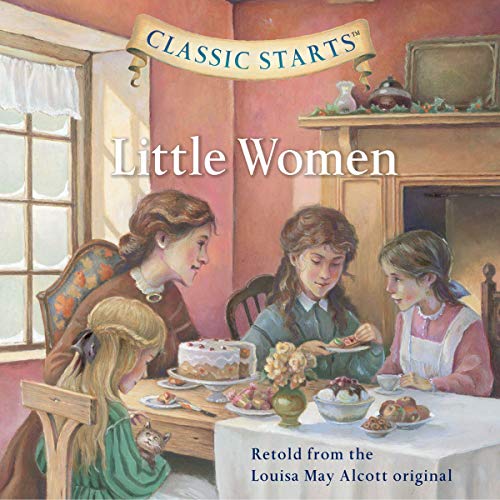
Upon returning home, the sisters celebrated their mother with their gifts, and the evening concluded with a "thrilling" theatrical performance directed by Jo. The day ended with an unexpected feast—ice cream, candy, fruit cake, and flowers—sent by their wealthy neighbor, Mr. Lawrence.
It was revealed that Mr. Lawrence had been moved by the girls' act of charity toward the Hummels, which he learned of through his servant. This connection bridged the gap between the March family and their reclusive neighbor. As the girls enjoyed their "delicious treats," they discussed the "young man next door" (Mr. Lawrence’s grandson). Jo expressed a desire to get to know him, noting, "I think he needs some fun."
Conclusion: A Reflective Holiday
While the day was filled with celebration and unexpected generosity, it remained grounded in the family's deep affection for one another. Despite the joy of the feast, Beth’s poignant wish—"I wish we could send my bunch to father"—served as a gentle reminder that their Christmas was defined not by material goods, but by their love for their absent father and their commitment to kindness. The story of the March sisters' Christmas serves as a timeless testament to the idea that true merriment is found in generosity, empathy, and the warmth of family bonds.

Deep Learning with ListenLeap


