
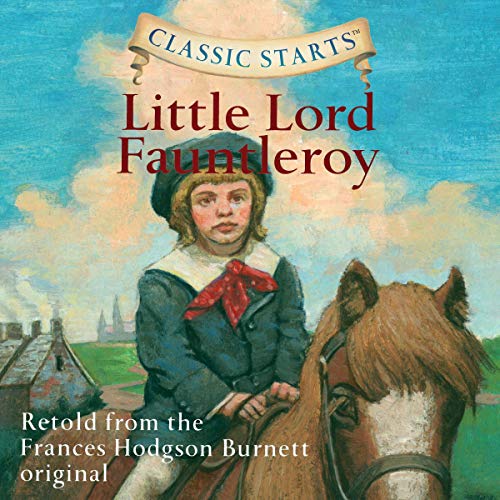
[The Transformation of Hearts: Cedric’s Eighth Birthday and the Legacy of Kindness]-[Little Lord Fauntleroy - Part 16]
📋 Summary
A New Chapter for the Extended Family
The final chapter of the narrative marks a profound shift for the supporting characters who journeyed alongside Cedric. The Earl of Dorincourt, demonstrating a newfound generosity, invests in a cattle ranch for Ben Tipton, ensuring that the man who once cared for the boy who "might have been Lord Fauntleroy" secures a prosperous future. This act of benevolence extends to Dick, who is provided with a "good, solid education," setting him on a path far removed from his humble beginnings. Perhaps most surprising is the evolution of Mr. Hobbs. After spending time "touring the castle" and observing the British aristocracy, his hardened republican views "softened." Ultimately, he abandons his New York life to open a shop in Earlsborough, proving that the influence of Cedric’s genuine nature could bridge the gap between vastly different social classes.
The Grand Celebration of the Eighth Birthday
The narrative culminates in a "grand day" celebrating Cedric’s eighth birthday. The scene is one of vibrant pageantry, where "flags were flying from the top of the castle" and the park is filled with villagers and nobility alike. The atmosphere is described as being "thrilled at the turn of events," reflecting the collective joy of a community witnessing the boy’s transition into his role. For Cedric, the day is defined by the presence of his "dearest" mother and the realization that his grandfather, the Earl, has integrated himself into the boy’s life with warmth and affection.
Cedric’s Transformation and Public Declaration
When prompted by the Earl to address the crowd, Cedric exhibits a blend of natural humility and emerging maturity. With a "brave face" and a "ringing childish voice," he expresses his gratitude, admitting, "I didn't think at first I should like it, but now I do." Crucially, he pledges, "I will try to be as good as my grandfather." This moment signifies the success of Cedric’s character development: he has reconciled his initial reluctance toward his aristocratic destiny with his desire to remain a person of integrity. By leaning against the Earl, he signals a total acceptance of his lineage and the bond they have formed.
The Philosophy of Kindness as Nobility
The resolution of the story offers a deep reflection on what constitutes true nobility. The Earl, a man who had been "rich and noble all his life" but rarely happy, finally understands the source of Cedric’s character. Watching the interactions between Mrs. Errol and her son, the Earl realizes that Cedric’s "well-bred" nature was not born of status, but of being "taught to always think kind thoughts and to care for others."
The text poignantly notes that Cedric’s upbringing on a "New York side street"—surrounded by "grocery men" and "shoeshine boys"—was not a hindrance but a foundation. His behavior was the result of living "near a kind and gentle heart." The conclusion asserts a powerful moral: nobility is not merely a matter of titles or "grand and splendid things," but is rooted in being "kind and loving." As the narrative concludes, it suggests that such character is "like being born," a fundamental state of grace that transcends the rigid social hierarchies of the Victorian era. The Earl’s shift from a cold, detached aristocrat to a loving grandfather serves as the ultimate testament to the transformative power of Cedric’s inherent goodness.
Deep Learning with ListenLeap


