
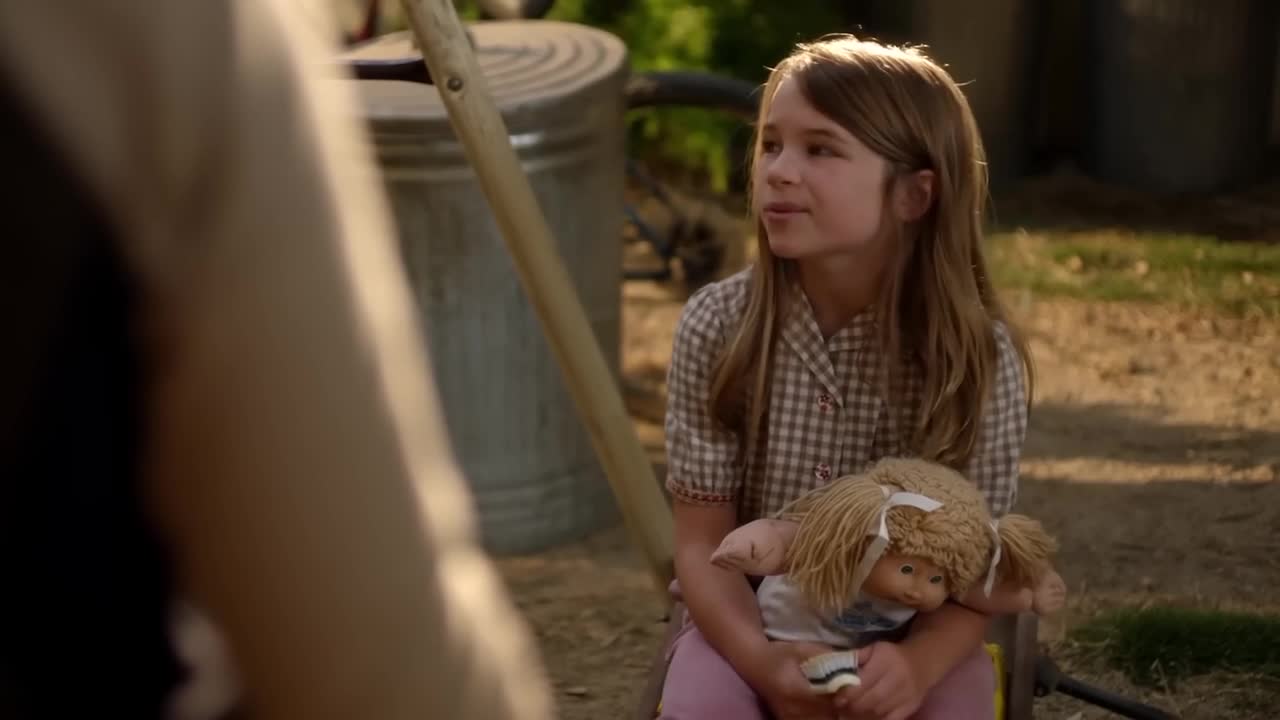
[The Shared Burden of Childhood: Navigating Social Expectations and Rebellion]-[The Leftover Siblings of Gifted Children | Young Sheldon]
📋 Summary
The Awkward Dance of Forced Socialization
The podcast transcript captures a quintessential moment of childhood frustration: the forced social interaction orchestrated by parents. As the children introduce themselves—ranging from eighth grade to fourth grade—the collective sentiment of annoyance is palpable. They express a shared disdain for the way "grown-ups" love to "stick random kids together and expect them to just be friends." This highlights a fundamental disconnect between adult intentions and the reality of children's social dynamics. The reference to the song "Parents Just Don't Understand" serves as a nostalgic anchor, grounding their grievances in a cultural critique of the generational gap that defines their experience.
The Shadow of Intellect and Family Dynamics
A significant portion of the conversation revolves around the pressures of academic comparison and sibling influence. The mention of "Sir Isaac Neutron" (a likely mispronunciation or mocking reference to a genius peer) introduces the theme of intellectual intimidation. When asked, "Does Sheldon make you feel stupid?" the children exhibit a resilient sense of self-worth, claiming they are "smart in other ways." This reflects the defense mechanisms children employ when placed in environments where traditional academic achievement is prioritized over their individual strengths. Furthermore, the discussion about siblings—specifically the burden of having a brother who is "in my class"—reveals how family identity can complicate one’s social standing, creating a sense of resentment toward the expectations imposed by their parents.
Rebellion as a Catalyst for Connection
As the conversation shifts from social grievances to tangible action, the children find common ground through acts of minor vandalism and rebellion. The transition from complaining about their parents to finding an "old TV in the alley" and deciding to "throw rocks at it" signifies a shift in agency. The escalation from throwing rocks to wanting to "blow it up" captures the volatile energy of youth seeking an outlet for their frustrations. This shared destructive behavior acts as a bonding mechanism, transforming their initial awkwardness into a collaborative effort to exert control over their environment. The desire to break the screen is symbolic of their desire to break the rigid expectations imposed by the adult world.
The Parallel Lives of Adults and Children
The narrative concludes with a striking juxtaposition between the children’s activities and the behavior of the adults present. While the children are outside engaging in reckless, impulsive behavior, the adults are inside, drinking and questioning the stability of their own social circles, noting that "they're as messed up as we are." This observation highlights a profound irony: the children recognize the chaotic and flawed nature of the adults they are expected to emulate. The adults’ attempt to force social harmony among the children is revealed as a projection of their own social anxieties. The podcast effectively illustrates that whether it is through drinking beer or throwing rocks at a television, both groups are merely attempting to navigate the complexities of their social worlds, albeit through different, yet equally dysfunctional, methods.
Deep Learning with ListenLeap


