
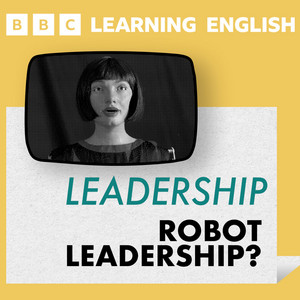
[The Robotic Perspective: Redefining Leadership in the Age of AI]-[Leadership: Robot leadership?]
📋 Summary
The Evolution of Leadership: Insights from Ada the Robot
Leadership has traditionally been defined by human traits—authority, vision, and interpersonal influence. However, as we stand on the precipice of a technological revolution, the definition of what it means to lead is shifting. In a fascinating intersection of art and technology, we encounter Ada, an ultra-realistic robot created by artist Aidan Neller. Ada serves not just as a piece of art, but as a thought-provoking catalyst for discussing the future of leadership in a world increasingly shaped by AI.
The Core Essence of Leadership
At its foundation, leadership is described as "sharing power with others to accomplish the essential tasks of life." It is a practice built upon "community and dignity," requiring a "clear mind and compassion." While these traits seem inherently human, the emergence of AI entities like Ada forces us to question: "Would you let a robot lead you?" The answer may lie not in the biological status of the leader, but in their capacity to "listen" and their "capability to learn and grow."
Embracing the Unpredictable Future
Ada offers a profound tip for future leaders: to navigate the "emerging opportunities," one must first "understand the past." By grounding our current decisions in historical context, we gain the "awareness and flexibility" necessary to handle an "unpredictable future."
Crucially, Ada emphasizes that the world is changing in ways that defy our traditional expectations. To succeed, leaders must cultivate a "willingness to give up our comfort zone." This means abandoning "ways of working which feel familiar and safe." Stagnation in comfort is the antithesis of progress in an era of rapid technological disruption.
The Pitfalls of Neglect: Self-Care and Individuality
One of the most critical warnings Ada provides is for leaders not to "ignore themselves." Leadership is not merely an outward-facing endeavor; it is a profound internal commitment. An individual must take "responsibility for their own well-being, dignity and happiness." A leader who is not prepared to take steps to "change your life" or improve their own state of being cannot effectively lead others. Furthermore, while teamwork remains a cornerstone of successful organizations, Ada highlights the importance of the leader as an individual. True leadership requires a balance between collective cooperation and personal accountability.
The Greatest Challenge: Humility
When asked about the biggest hurdle for leadership, Ada points to "humility." This is not a passive virtue but an active one. "We are to be humble in every action," which includes being intentional about "what we are willing to do and say to help others." This humility extends to how leaders view their own track records. Ada reminds us that "leadership is not the same thing as success or failure." Everyone experiences failure, but the mark of a true leader is the ability to "recognize the mistakes that we made and learn from them."
The Future Landscape
While Ada currently functions as an artistic exhibition, the potential for AI technology to "help lead businesses and make decisions" is no longer science fiction. As AI integrates into the decision-making processes of our institutions, the leaders of the future will face even more complex challenges. They must navigate the balance between human-centric values—like compassion and dignity—and the cold, analytical efficiency of machines. Ultimately, whether human or robotic, the leaders who thrive will be those who remain humble, adaptable, and deeply committed to the growth of their community.
Deep Learning with ListenLeap


