
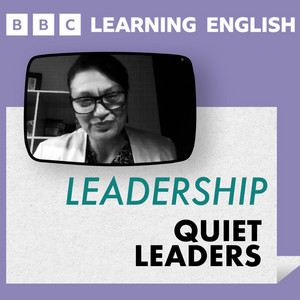
[The Philosophy of Quiet Leadership: Insights from Linda Teaho]-[Leadership: Quiet leaders]
📋 Summary
The Philosophy of Quiet Leadership: Insights from Linda Teaho
In this episode of the BBC Learning English series featuring leaders from diverse backgrounds, Linda Teaho, a prominent leader of a Maori tribe in New Zealand, shares her profound perspective on what it means to lead effectively. Central to her philosophy is the concept of "quiet leadership," a metaphorical framework that prioritizes calmness, thoughtfulness, and sustained strength over boisterous authority.
Defining Quiet Leadership through Historical Precedent
Linda identifies Nelson Mandela as the quintessential example of a "quiet leader." She highlights his ability to operate in an "elegant and respectful way" while maintaining an underlying fortitude. Central to Mandela’s success was his "magnanimous" nature—a quality Linda defines as being "kind and generous towards your enemies." Despite the immense wrongs committed against him, Mandela’s capacity to forgive, coupled with his "strength and resilience," earned him global recognition. For Linda, these are not just historical observations but active qualities she strives to embody in her own tribal leadership.
The Pillars of Respectful Influence
For any leader, gaining respect is not a given; it must be earned through tangible actions. Linda emphasizes that leadership requires a visible commitment to the cause and a relentless work ethic. She argues that a leader must "demonstrate that you are committed" and prove themselves as a "hard worker" to maintain the trust of those they lead. This foundational reliability allows a leader to guide their community with integrity and purpose.
Avoiding the Pitfalls of Ego
When asked about the common mistakes leaders make, Linda warns against the tendency to "underestimate the strengths and wisdom that are all around us." She places particular value on the contributions of elders, noting that they possess deep "experience and wisdom just by having lived on this earth." A successful leader, in Linda’s view, is one who recognizes that knowledge is distributed throughout the community and does not reside solely within the leader’s own office.
Navigating the Challenges of Leadership
One of the most difficult aspects of leadership, according to Linda, is the realization that "you can't please everybody all of the time." This creates an inherent tension, yet she suggests that the path forward is simply "doing the best that you can anyway." This acceptance of imperfection is a hallmark of the quiet leader—it allows for resilience in the face of inevitable criticism.
Continuous Improvement and Professional Development
Finally, Linda advocates for a structured approach to self-improvement. She believes that it is "really important for any leader to get feedback" early in their tenure. By undergoing an "evaluation or assessment process," leaders can receive "professional feedback" on their performance. This humility—the willingness to be critiqued and the desire to refine one's leadership style—solidifies the quiet leader's commitment to the long-term health and success of the community they serve.
Deep Learning with ListenLeap


