
[The Jojo Dilemma: Moral Responsibility and the Influence of Upbringing]-[The infamous JoJo thought experiment - Michael Vazquez and Sarah Stroud]
📋 Summary
The Jojo Dilemma: Moral Responsibility and the Influence of Upbringing
The Paradox of the Tyrant's Son
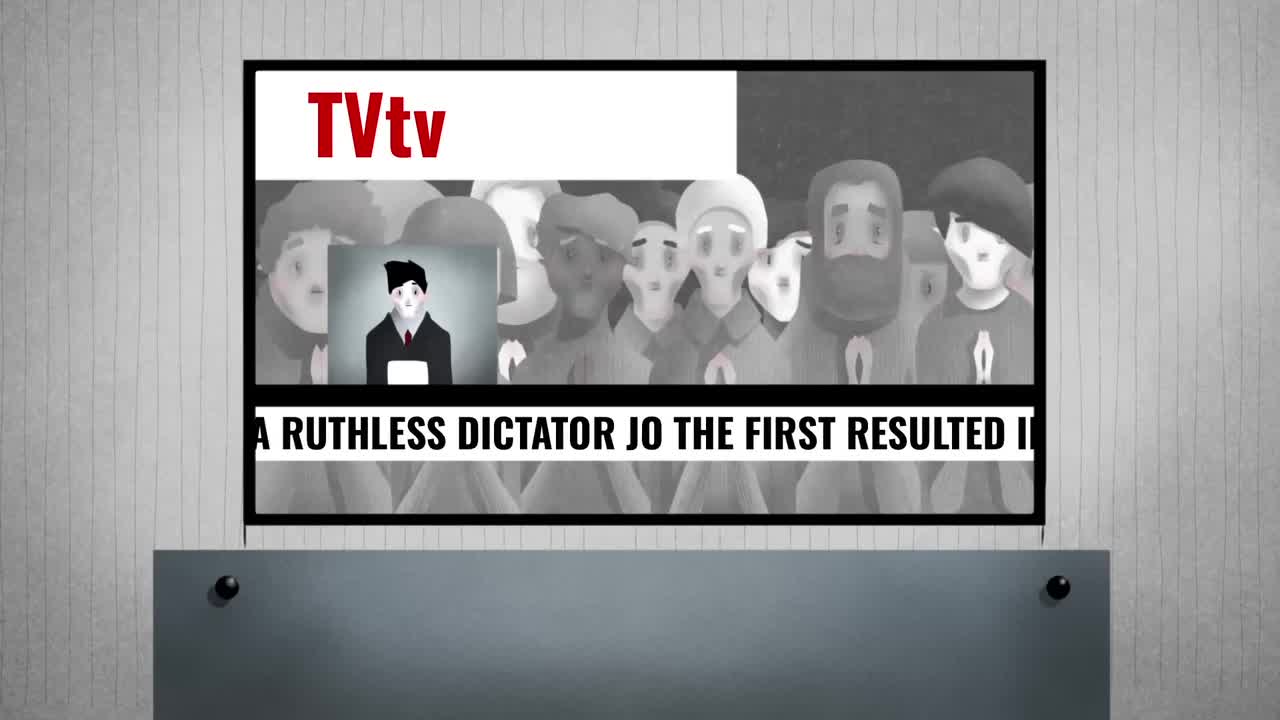
The story of Joe I and his son, Jojo, serves as a compelling philosophical thought experiment regarding the nature of moral responsibility. Joe I is described as a "ruthless dictator" who rules with an "iron fist," creating an environment where dissent is met with permanent banishment. Jojo, raised within the isolation of the castle, perceives his father’s tyranny not as cruelty, but as "strength" and "noble decision." When Jojo eventually inherits the throne and continues his father’s oppressive style, he presents a profound ethical question: Does an individual raised in a vacuum of moral guidance bear full responsibility for their actions?
The Deep Self View: Accountability for Values
Philosophers Gary Watson and Harry Frankfurt offer a perspective known as the "deep self view." They argue that moral responsibility is inextricably linked to actions that stem from one’s "true self," which they define as one's "deepest values and commitments." Under this framework, Jojo is fully responsible for his crimes. Unlike individuals acting under "duress" or while "intoxicated," Jojo’s actions are not the result of external coercion in the moment; rather, they are a direct reflection of the values he has internalized throughout his life. From this viewpoint, because Jojo’s behavior aligns with his internal desires, he is morally accountable for the suffering he inflicts.
Susan Wolf and the Challenge of Moral Competence
Philosopher Susan Wolf, the creator of the Jojo case, complicates this narrative. Wolf posits that we must consider the origins of one's "deep self." She argues that because Jojo’s upbringing was "very atypical," his internal values were formed in an environment devoid of moral nuance. Wolf suggests that Jojo lacks "basic moral competence"—the foundational ability to distinguish right from wrong. If an individual has never been given the tools or the context to understand morality, it becomes difficult to justify holding them to the same standard of blame as someone who had a "normal childhood" and chose a life of cruelty.
The Incompatibilist vs. Compatibilist Debate
The Jojo case touches upon the broader, centuries-old debate between incompatibilists and compatibilists. Incompatibilists argue that if our values are "predetermined by factors like our environment or biology," then true moral responsibility is an illusion. Conversely, compatibilists maintain that we can be held accountable for our decisions even if they are the "inevitable result of past events."
However, Wolf’s specific intervention is to shift the focus from strict determinism to the capacity for self-reflection. Jojo’s inability to evolve, even as an adult, suggests a rigid moral incompetence. Yet, this raises a critical counter-argument: is such incompetence truly inevitable?
The Limits of Upbringing and the Burden of Choice
To test the limits of moral responsibility, one must consider alternative outcomes. If we imagine a sibling who grew up in the same oppressive environment but "rejected their father's tyranny," the argument for Jojo’s moral culpability strengthens. This suggests that moral awareness is not solely a product of environment but also of individual agency. Furthermore, if Jojo had been exposed to a "rogue court member" teaching him about "justice and morality" and still chose the path of a dictator, his moral responsibility would be solidified.
Ultimately, the Jojo dilemma forces us to reconcile the influence of our formative years with the necessity of personal accountability. While an upbringing can shape our "deepest values," the human capacity to transcend those origins remains the central pillar of moral judgment. Whether Jojo is a victim of his environment or a conscious architect of his own cruelty remains a question that challenges our understanding of justice and the human condition.

Deep Learning with ListenLeap


