
[The Strategic Sabotage: Orchestrating a Romantic Reunion for Ross and Rachel]-[Joey and Phoebe Scheme Over Baby Food | Friends]
📋 Summary
The Dilemma of Unrequited Potential
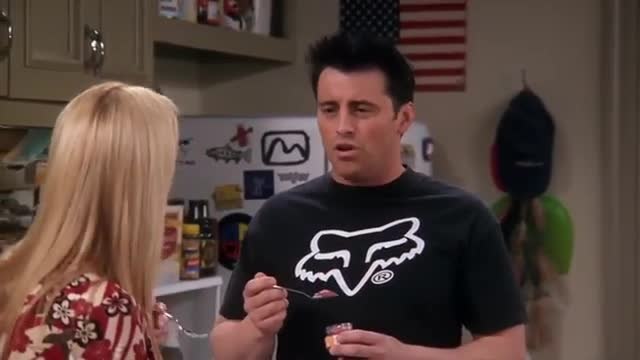
The conversation begins in an intimate, domestic setting, quickly shifting from mundane observations about baby food—specifically "strained peas," "strained carrots," and the novelty of "strained plums"—to a deeper concern regarding the relationship status of Ross and Rachel. The speakers express a palpable sense of frustration, noting that it is "weird what's happening with her and Ross." Despite the clear emotional history and the fact that they have "moved back in together," the two individuals remain apart, leaving their friends to grapple with the mystery of why they are not already a couple. The consensus among the group is that Ross and Rachel are "so perfect for each other," and the current state of their relationship is described as "crazy."
The Vision of a Unified Future
The dialogue reflects a strong desire for Ross and Rachel to solidify their relationship. The speakers articulate a vision for the pair, stating, "They should be a family," and further suggesting that "they should get married and have more children." There is even a humorous, self-serving suggestion that they should "name one of their kids Joey" to ensure the "family name" continues. This highlights the deep emotional investment the friends have in seeing the two reconcile, viewing their union as the natural, correct progression of their lives.
The Plan: Strategic Sabotage through 'Horrible Dates'
Faced with the prospect of Ross and Rachel seeking new romantic partners—a reality confirmed when both parties separately asked for help being "fixed up with somebody"—the friends reach a critical juncture. They recognize that if Ross and Rachel start dating others, it might lead them to realize "how good they are for each other." However, they also acknowledge the bleakness of the current dating pool, noting that it is "Slim Pickens" out there, backed by an anecdote about a recent date that was simply "Yuck."
To expedite this realization, the group hatches a calculated, somewhat mischievous scheme. They decide that instead of setting Ross and Rachel up with compatible partners, they will intentionally set them up on "horrible dates." The logic behind this plan is that experiencing bad dates will serve as a catalyst, pushing the pair to recognize the superiority of their connection. The conspirators are visibly excited by this "great plan," with one member jokingly anticipating the opportunity to perform their "plan laugh."
Conclusion
The conversation underscores the lengths to which friends will go to facilitate a relationship they believe is destined to be. By moving from passive observers to active manipulators, the group attempts to steer Ross and Rachel toward one another. The plan to sabotage their dating lives with "horrible dates" serves as a comedic but desperate attempt to force an outcome that the friends feel should have happened long ago. Whether this intervention will successfully bridge the gap between Ross and Rachel or lead to further complications remains the central tension of their social circle.
Deep Learning with ListenLeap


