
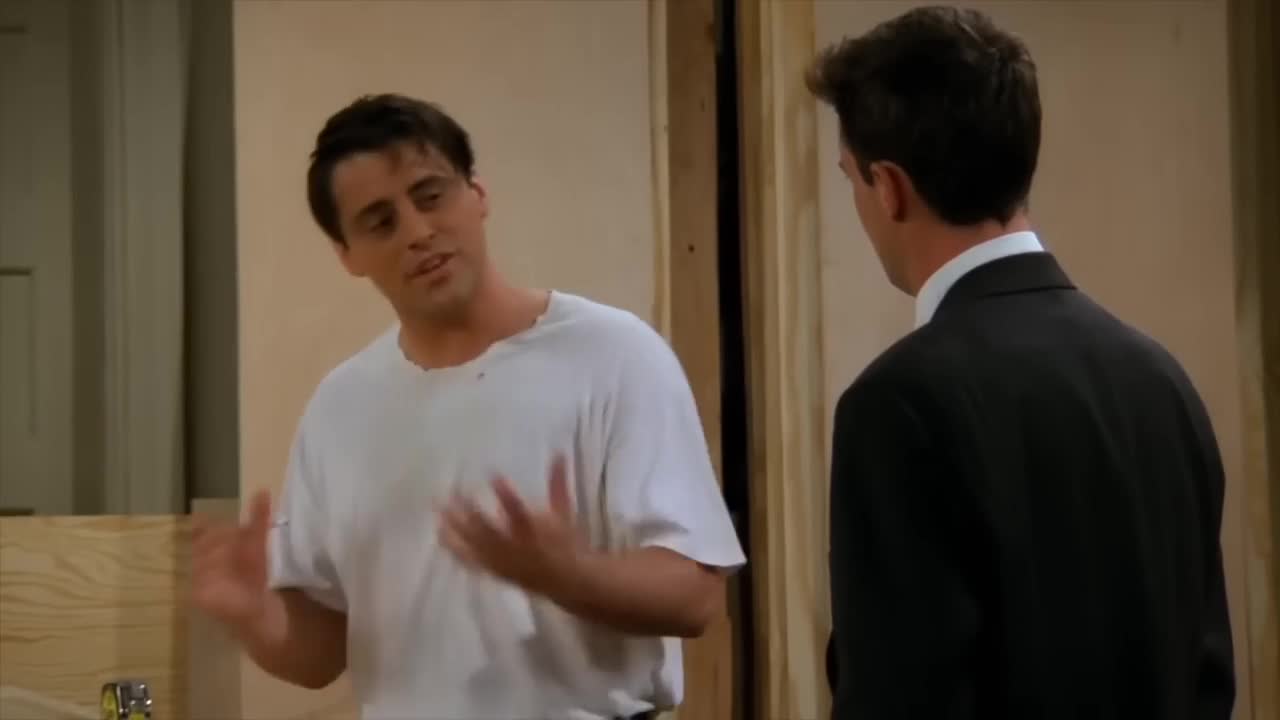
[The Chaos of DIY: A Comedy of Errors in Apartment Renovations]-[Joey Builds a Massive Entertainment Unit | Friends]
📋 Summary
The Perils of Amateur Carpentry: A Lesson in Miscalculation
The provided transcript offers a humorous glimpse into a domestic renovation project gone wrong, highlighting the friction that arises when DIY ambitions collide with a lack of professional expertise. The narrative centers on a misguided attempt to construct an "entertainment unit with a mail cubby," which quickly escalates into a series of logistical and interpersonal disasters.
The Ambition-Reality Gap
The project begins with a simple, seemingly manageable goal: creating a designated spot for mail. However, the protagonist’s decision to "take it to the next step" by building an entertainment unit transforms a "one-day job" into a source of significant frustration. The disconnect between the initial plan and the physical execution is stark. As the builder remarks, the unit is "so big that it actually makes our doors look smaller," serving as a classic example of poor planning and overestimation of space. The protagonist even questions his tools, musing, "Maybe my ruler's wrong. Maybe all the rulers are wrong," illustrating the classic amateur tendency to blame external variables rather than acknowledge a fundamental failure in design.
Workplace Hazard and Interpersonal Friction
Safety and communication are notably absent throughout the endeavor. The dialogue reveals a chaotic environment where an "electric drill" is handled dangerously, leading to a tense exchange regarding personal safety. The builder’s casual dismissal—"Calm down. Do you want this unit or not?"—exemplifies the lack of professional standards that often plagues amateur DIY projects. The situation is further complicated by the introduction of a second renovation project involving "retiling my floor." The shift in roles, where both parties end up being called "Cinderella" by the other, underscores the resentment that builds when domestic chores are poorly coordinated and forced upon participants.
The Absurdity of Resolution
Perhaps the most telling aspect of the interaction is the eventual abandonment of the project's seriousness in favor of juvenile distractions. When the characters reach an impasse regarding the physical weight and placement of the furniture, they fail to resolve the problem logically. Instead, the focus shifts to a trivial bet: "Bet you I could fit in there." The act of the character climbing into the unit to win "five big ones" signifies a complete breakdown of the original objective. The transition from building furniture to celebrating a small win with "the drinks are on me" highlights the transitory nature of their frustration. They essentially trade the resolution of a functional living space problem for the immediate gratification of a petty victory, leaving the apartment in a state of disarray while they celebrate a meaningless "cha-ching" moment.
Conclusion
Ultimately, this transcript serves as a satirical commentary on the follies of home improvement. By prioritizing speed over precision—as seen in the argument over whether to count to "two" or "three" to lift the furniture—and choosing distraction over problem-solving, the characters exemplify how amateur DIY efforts often result in more mess than utility. The "snug" work pants and the ruined floors are not just incidental details; they are the marks of a project that was doomed from the start due to a lack of foresight and an abundance of hubris.

Deep Learning with ListenLeap


