
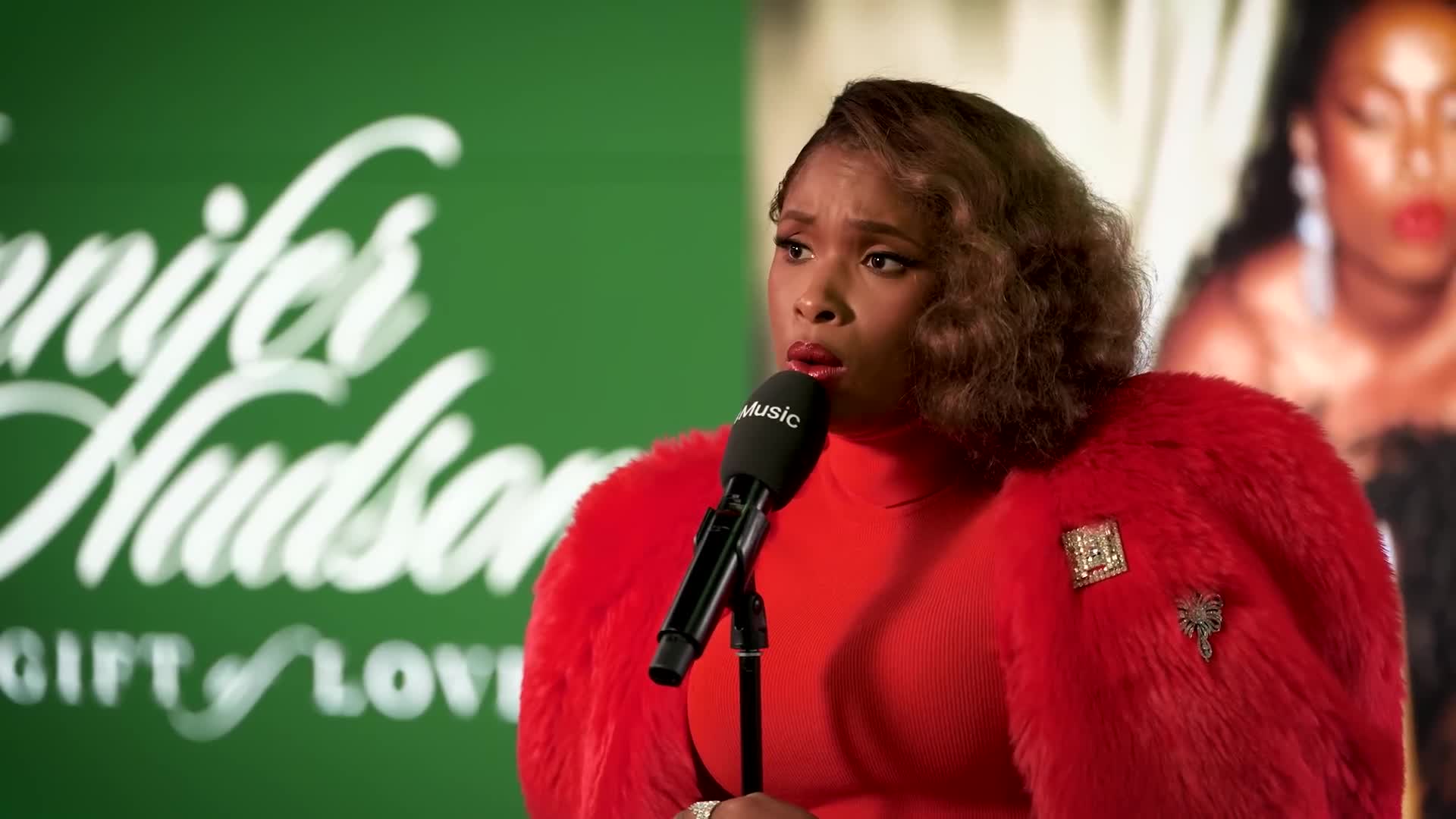
[The Divine Mystery: Reflecting on the Profound Identity of the Christ Child]-[Jennifer Hudson Mary Did You Know (Live on Apple Music Radio) Apple Music]
📋 Summary
The Profound Identity of the Christ Child: A Theological Reflection
The lyrics of the classic holiday song "Mary, Did You Know?" serve as a meditative inquiry into the theological significance of the Nativity. By posing a series of rhetorical questions to Mary, the mother of Jesus, the text invites listeners to contemplate the dichotomy between the vulnerability of an infant and the omnipotence of the Divine. This summary explores the core themes of this reflection, examining the transformation of the human condition through the lens of faith.
The Paradox of the Incarnation
At the heart of the narrative is the paradox of the Incarnation. The text asks, "Did you know that your baby boy would one day walk on water?" and "Did you know that your baby boy would calm the storm with his hand?" These questions juxtapose the fragility of a "sleeping child" with the cosmic authority required to manipulate the elements of nature. The songwriter emphasizes that the mother is not merely holding a human infant; she is kissing "the face of God." This realization shifts the perspective of the Nativity from a domestic scene to a moment of supreme theological gravity, where the "Lord of all creation" enters the human timeline.
The Redemptive Mission
Beyond the display of miraculous power, the text highlights the redemptive purpose of the child's life. The lines, "Did you know that a baby boy has come to make you new / And this child that you delivered would soon deliver you?" point to the central tenet of Christian doctrine: that the savior is also the saved. Here, the "baby boy" is identified as "heaven's perfect lamb," a clear reference to the sacrificial role he would later assume. The text posits that the ultimate goal of this birth is the restoration of humanity, moving from the physical act of childbirth to the spiritual necessity of salvation.
Miraculous Transformation of Humanity
Finally, the text outlines the profound impact of this child on the marginalized and the suffering. It promises that "the blind will see, the deaf will hear, and the dead will live again," while "the lame will leap, the dumb will speak." These assertions serve as a testament to the transformative power of the child’s ministry. By framing these future miracles as questions directed at Mary, the text highlights the weight of the burden and the glory she carries. It suggests that the "baby boy" who would "save our sons and daughters" is not just a historical figure, but a force capable of reversing the limitations of the human condition.
In conclusion, the reflection serves as a reminder of the depth behind the holiday season. It encourages the listener to look past the surface of the "sleeping child" and recognize the magnitude of a life destined to "rule the nation" and redefine the relationship between the Creator and the created.

Deep Learning with ListenLeap


