
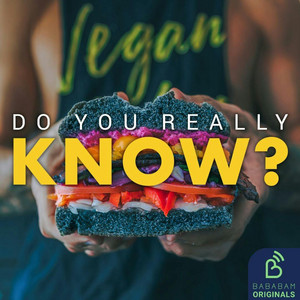
[Is Veganism Truly the Optimal Lifestyle Choice?]-[Is veganism really the best choice?]
📋 Summary
Evaluating the Vegan Lifestyle: Health, Environment, and Ethics
Veganism has transitioned from a niche dietary preference to a significant global lifestyle movement. By definition, it is a lifestyle that "excludes all animal products from one's diet and other aspects of life," extending beyond food choices to items like "leather, wool, silk," and anything derived from animals. As people weigh whether this is the "best choice," it is essential to analyze the impact across three primary pillars: health, environmental sustainability, and animal welfare.
The Health Implications of a Plant-Based Diet
From a nutritional standpoint, the evidence is nuanced. Proponents argue that vegan diets can "improve heart health and lower the risk of some cancers," specifically "breast, prostate and colon cancer." This benefit is largely attributed to the "higher intake of antioxidants and fibre from plant foods." A diet centered on "fresh fruit, vegetables, seeds, nuts, beans and pulses" inherently promotes wellness.
However, the transition requires careful management. While a vegan diet is "higher in fibre and lower in cholesterol," it may also be "lower in... protein, calcium and salt," potentially leading to "nutritional deficiencies" regarding "vitamin B12, iron, zinc and calcium." Therefore, the consensus is that veganism can be a healthy path only if one "plans your diet well" and proactively utilizes supplements to bridge these nutritional gaps.
Environmental Impact: Beyond the Meat-Free Label
Environmental sustainability is a core driver for many vegans. The industry of "animal agriculture is one of the biggest contributors to global warming and environmental degradation." By adopting a vegan lifestyle, individuals can help "reduce the environmental impact of food production by lowering greenhouse gas emissions, water consumption, land use, deforestation, biodiversity loss and pollution."
Despite these benefits, the podcast emphasizes that veganism is "not a perfect solution." The environmental footprint of a diet is not determined solely by the absence of animal products. Factors such as "transportation, packaging and waste" play critical roles. Furthermore, specific plant-based crops like "almonds, avocados or quinoa" can possess a "high water footprint or carbon footprint." Consequently, while veganism is generally superior to meat-heavy diets, consumers must remain conscious of the broader supply chain.
Ethical Considerations and Animal Welfare
For many, the primary motivation is the desire to "avoid harming animals." The current industrial system "raises and slaughters billions of animals every year" for various commodities, often subjecting them to "cruel or unnatural conditions." Veganism serves as a direct challenge to the "animal agricultural industry" and its practices.
Nevertheless, the ethical landscape remains complex. Vegans may still inadvertently contribute to animal harm through the consumption of "products that are tested on animals" or by using "cosmetics or medicines" that contain hidden animal-derived ingredients. This highlights the difficulty of maintaining a completely harm-free existence within a modern consumerist society.
Conclusion: A Complex Decision
Ultimately, the question of whether veganism is the "best choice" does not yield a simple binary answer. While it offers clear advantages for personal health, ecological preservation, and the reduction of animal suffering, it requires a high degree of mindfulness. To truly succeed as a vegan, one must balance nutritional planning, be aware of the environmental costs of specific plant products, and navigate the complex ethical landscape of modern manufacturing. Veganism is a significant step toward a more conscious lifestyle, but it is a multifaceted commitment rather than a simple, one-size-fits-all solution.

Deep Learning with ListenLeap


