
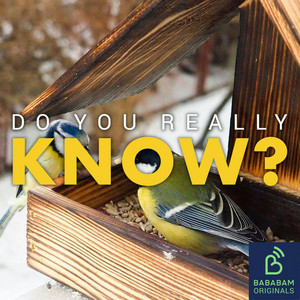
[The Hidden Dangers of Backyard Bird Feeding: A Guide to Sustainable Ornithology]-[Is feeding birds in your garden a bad idea?]
📋 Summary
The Hidden Dangers of Backyard Bird Feeding
While providing sustenance to local wildlife is often viewed as a "harmless and even generous idea," recent research suggests that our well-intentioned habits may be inadvertently causing significant ecological damage. This summary explores the intersection of human intervention and avian health.
The Rising Threat of Trichomoniasis
Research conducted by the British Trust for Ornithology reveals a startling correlation between bird feeders and the spread of infectious disease. Between 2008 and 2018, the UK saw a drastic decline in bird populations, with chaffinch numbers dropping by 29% and greenfinches plummeting by 67%.
The primary culprit is a parasite that causes trichomoniasis, a "nasty condition" that induces throat swelling in birds. This pathology forces birds to "regurgitate their food," which, in turn, deposits the parasite onto the feeder surface. Because birds congregate at these central feeding stations, other birds are highly "liable to ingest it," effectively turning a source of nourishment into a vector for disease transmission.
Best Practices for Safe Bird Feeding
If you wish to continue supporting your local feathered friends, strict hygiene protocols are essential. Experts suggest the following measures to mitigate the spread of parasites:
- Rigorous Sanitation: Clean all feeders and baths weekly using "hot soapy water or a diluted bleach solution," ensuring they are "thoroughly dry" before re-installation.
- Controlled Feeding: Limit food output to amounts consumed within a few days. Always remove uneaten food, including debris that has fallen to the ground.
- Dynamic Placement: Move feeders around the garden to prevent excessive accumulation of waste and to encourage natural foraging.
- Hydration Hygiene: Change drinking water daily to ensure freshness.
- Symptom Awareness: If you observe a "sick bird," cease feeding immediately to prevent birds from gathering and further spreading the disease.
Building a Natural Food Web
Rather than relying on artificial feeders, researchers like Alex Lees from Manchester Metropolitan University advocate for creating a sustainable "food web." By cultivating a diverse garden, you can support wildlife without the risks associated with congregate feeding.
- Ponds and Native Flora: Installing a pond attracts insects, a primary food source for birds.
- Supportive Vegetation: Utilize fruit-bearing plants and berry-producing shrubs for winter sustenance.
- Embracing Wildness: Do not be "too fussy about weeds." Plants like nettles, thistles, and even the "humble dandelion" provide essential snacks for goldfinches and attract the caterpillars and insects necessary for a healthy ecosystem.
- Edible Gardens: Incorporating herbs or kale can attract a variety of insects, which in turn provide a natural, healthy meal for birds, moving beyond a "solution that benefits a few species" to one that fosters long-term biodiversity.
Deep Learning with ListenLeap


