
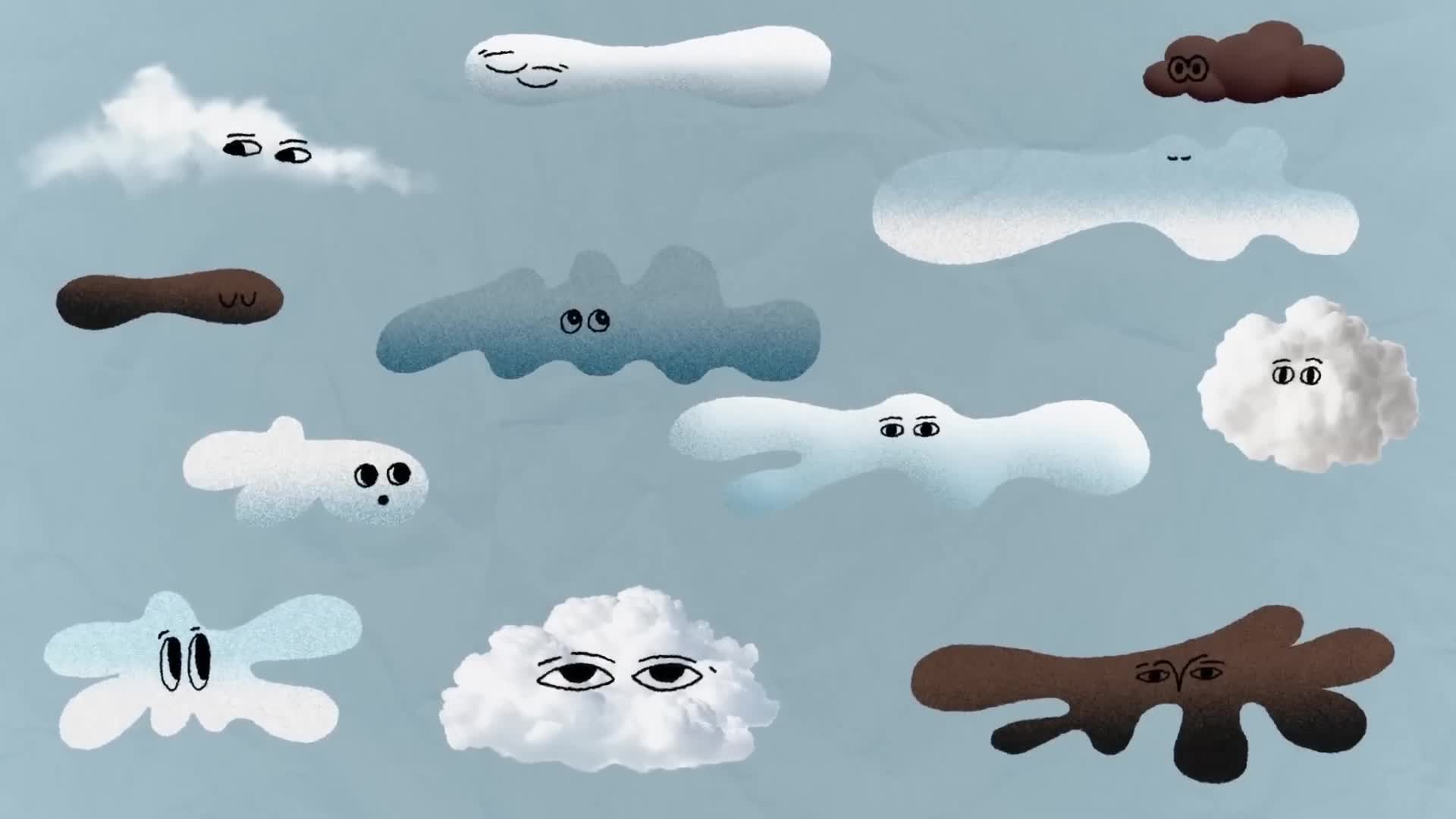
[The Comfort of Being Different: Navigating the Loneliness of Individuality]-[Is Everyone Else Normal? Feeling Painfully Different]
📋 Summary
The Burden and Beauty of Being an Outlier
In contemporary discourse, we frequently celebrate the "virtues and pleasures of individuality." We are encouraged to be someone who "stands out from the crowd" and finds joy in their "particularity." However, this podcast transcript invites us to look at the shadow side of this ideal: the reality that being different can be "frankly lonely and frightening." When our internal state—whether it be a preference for "generosity and forgiveness" over gossip, or a persistent sense of "anxiety and apprehension" while others seem "cheerful"—clashes with the collective, we often feel like we are in a "peculiar minority." This state of being can leave us feeling "bewildering" rather than "emboldening."
The Fallacy of Our Perceptions
The podcast argues that much of our suffering stems from a fundamental misunderstanding of reality. We often assume that our immediate environment reflects the entirety of human experience. The speaker notes that "we don't know reality as well as we imagine." We look at a room of "4 or 8 or 12 people" and mistakenly believe they "represent all of humanity." By limiting our scope to our "extended social group" of roughly 80 people, we ignore the vastness of the human story.
Crucially, we tend to misread the people already around us. We may feel "suspicious and ashamed" of our inner lives, assuming we are the only ones struggling, when in fact, our companions might be grappling with the same "material we feel alone with." We simply lack the social mechanisms or the vulnerability to "share our true selves." The isolation we feel is often a failure of communication rather than a genuine lack of shared experience.
Reframing Isolation as a Badge of Complexity
Instead of viewing our minority status as a social failing, the podcast suggests a shift in perspective. It may be "fine to belong to a minority." History shows that these spaces have "sheltered some of the most accomplished spirits that have ever lived." The feeling of being an outsider is not necessarily a defect; it may be the "price we have to pay for a certain complexity of mind." When we feel "cold" or "indifferent" toward things others are "passionate" about, or when we are "searching for a home" while others seem "contented in their couples," we are not broken; we are merely experiencing the depth and nuance of our own internal architecture.
Art as a Bridge Across Loneliness
Finally, the podcast posits that art serves as the essential bridge between the isolated individual and the rest of humanity. "Bookshops are an ideal destination for the lonely" because literature is often born from the exact same struggle: authors writing because they "couldn't find anyone to talk to." Books act as a medium that validates our feelings, proving that our "anxiety," "melancholy," or "self-consciousness" are not isolated phenomena but part of a broader human conversation.
Ultimately, the podcast offers a message of hope. By recognizing that our perceived isolation is often a statistical error and that our differences are signs of intellectual depth, we can find solace. There are likely "people nearby" who would "understand very well indeed" if we only had the courage to reach out. We are not as alone as we think; we are simply part of a vast, often quiet, community of individuals who are all waiting for the right moment to connect.
Deep Learning with ListenLeap


