Welcome back to Podcast and Chill, everyone.
We're happy to see you again in this episode.
Yes, it's always exciting to dive into discussions that make us think and reflect.
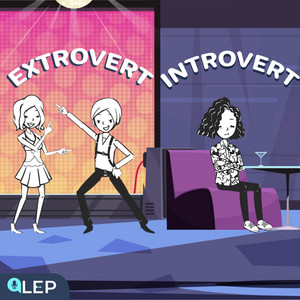
And today, we're exploring an interesting topic, introvert or extrovert.
That's right, Gwen.
And I'm eager to see where we both stand.
And, Gwen, do you think I'm an introvert or an extrovert?
Really, Leo? Do you even have to ask?
You're obviously an extrovert?
Don't be so sure, Gwen.
Let me tell you, there are times when I just want to be by myself.
No jokes, no talking, no laughter.
Oh, Leo, good to know.
You're a regular person sometimes.
Gwen? Chill out. Just joking.
Oh, wow. Gwen's learned to joke now.
I must be a great teacher.
I think we should get back to the main topic.
Oh, yeah, I agree. Let's focus into our topic today.
So, how do you think people usually differentiate between these two personality types?
Well, first, let's start with the basics.
I think personality shapes how we interact with the world.
Introverts often enjoy solitude and deep conversations, while extroverts thrive in lively social gatherings.
Yeah, introverts are likely to find solace in reading a book or pondering life's mysteries, enjoying the quiet and their own company.
And extroverts might find their energy in the buzz of a busy calf, engaging in lively discussions, or simply soaking in the vibrant atmosphere.
Nevertheless, being an introvert or an extrovert isn't just about being shy or outgoing.
It's more about where we get our energy from.
Introverts recharge by spending time alone while extroverts gain energy from being around people.
And it's important to know that either is better than the other.
They're just different ways of engaging with the world.
Understanding our own personality can help us make choices that align with our true selves from the careers we pursue to the relationships we build.
And embracing that difference is key.
It's all about understanding and appreciating the diversity in personality.
However, remember that being an introvert or extrovert isn't a strict category.
Many people have qualities of both, and it can change depending on the situation.
This blend is often referred to as being ambivert.
Yes, can't Now, let's talk about social situations.
Introverts usually feel more comfortable in quiet, intimate settings.
They might prefer a small dinner with close friends, rather than a large party.
It's not that they don't like people.
They just find large groups exhausting.
And extroverts? Well, they shine in social settings.
A big gathering or a networking event is where they feel at home.
They love the energy of being around lots of people, and they're often the ones starting conversations and making new friends.
In social situations, introverts might find themselves listening more than talking.
They often observe and think before they speak, which means they can offer thoughtful responses.
Introverts might need time alone after socializing to recharge.
For extroverts, social situations are like a battery charger.
They get excited by interactions, which can make them great at networking and in roles that require a lot of social engagement.
After a social event, they often feel energized and ready for more.
For example, Gwen, imagine we're at a lively party.
There I am, dancing like there's no tomorrow, soaking up the energy from the crowd.
And there's me, comfortably standing by the side, enjoying my drink, and observing the scene.
I appreciate the ambiance, but well -prefer to stay out of the spotlight.
And there I go. Hey, Gwen, you should join me on the dance floor.
It's the perfect place to unleash your wild inner.
Don't you think? Oh no.
I insist. It will be so much more fun out there.
Come with me. Leo, spare me.
It's okay. Trust me.
Come and Dan, let me show you.
Oh no. I'm sorry. Got something to handle.
Gotta go. Bye, weirdo.
Hey, that's mean. Well, let be honest, if someone kept approaching me in such a ridiculous way, I would definitely run away with that kind of attitude.
And so are the introverts in general.
Well, so that why it's important to remember that everyone's comfort level in social situations is different.
Whether introvert, extrovert, or somewhere in between, it's all about understanding and respecting our own and others' preferences.
Gwen, expanding the comfort zone can sometimes feel like jumping into cold water, especially for introverts.
For instance, joining a new club or attending a large event can be daunting, but it can also lead to personal growth and unexpected joys.
True, Leo. And for extroverts, stepping out of their comfort zone might mean slowing down.
Maybe spending a quiet evening alone reflecting instead of seeking constant social interaction.
It can be a valuable time for self -discovery.
Imagine this. I, as an extrovert, convince you to go to a karaoke night.
At first, you're hesitant, but then you find that singing in a small, supportive group is actually quite enjoyable and boosts your confidence.
And in turn, I might invite you to join me for a weekend retreat focused on meditation and self -reflection.
It's quieter and more introspective, but you might discover a new appreciation for solitude and inner peace.
Maybe that sounds cool.
And Gwen, when it comes to maintaining friendships, introverts often prioritize quality over quantity.
They might not have a large circle, but the friendships they do have are deep and meaningful.
They often keep in touch through thoughtful messages or calls and prefer one -on -one meetings where conversations can go deeper.
That's a good point, Leo.
Extroverts, in contrast, might maintain their friendships by organizing or attending social gatherings, from parties to group activities like sports or hobbies.
They enjoy the dynamism of group interactions and often use social media to stay connected with a wider circle of friends, sharing updates and making plans to meet.
Ultimately, both introverts and extroverts find unique ways to nurture their friendships.
Introverts may prefer sending a thoughtful letter or having a long conversation over coffee, while extroverts might opt for a spontaneous road trip or a lively group chat.
It's these differences that make each friendship unique and special.
Differentiate, meaning to recognize what makes someone or something different.
Example, teachers must differentiate between students' individual learning styles to provide the best education.
Solitude, meaning the state of being alone, especially when this is pleasant or peaceful.
Example, introverts often find joy and solitude using this time to recharge and reflect.
Thrive, meaning to grow, develop, or be successful, especially under favorable conditions.
Example, plants thrive in the right conditions of light and water, just as people thrive in supportive environments.
Solace, meaning comfort or consolation in a time of distress or sadness.
Example, after a tough day, she found solace in her garden surrounded by nature and silence.
Reflecting, meaning thinking deeply or carefully about something.
Example, reflecting on past experiences can provide valuable lessons for the future.
Nurture, meaning to care for and encourage the growth or development of.
Example, good teachers nurture their students' curiosity and help them grow intellectually.
How do introverts and extroverts recharge their energy according to the conversation?
Introverts recharge by spending time alone and engaging in activities like reading or deep thinking.
Extroverts gain energy from being around people, thriving in social gatherings and lively discussions.
What are the different ways introverts and extroverts might enjoy a social event, as illustrated by Leo and Gwen at a party?
Introverts like Gwen might prefer observing and enjoying the ambiance from the sidelines, staying out of the spotlight.
Extroverts like Leo actively participate, engaging in dancing and soaking up the crowd's energy, suggesting they find joy and recharging in the interaction and liveliness of the event.
Gwen, considering our differences, introverts may like writing in journals or blogs.
It's a way for them to articulate thoughts without the pressure of immediate feedback.
This helps them know how they talk and share ideas better.
Interesting point, Leo.
And extroverts might prefer using social media or listening to podcasts.
This outgoing way of talking and interacting not only meets their need for being social, but also helps them get better at speaking.
True, but the beauty of modern communication is that it offers tools for everyone.
For example, video calls can be a middle ground.
Introverts have the time to compose their thoughts before speaking, and extroverts get the immediate interaction they crave.
Also, Leo, workshops on how to communicate better can help both introverts and extroverts.
Introverts learn to speak up more, while extroverts can practice active listening and empathy, ensuring they don't overpower the conversation.
Let's not forget, Gwen, the role of nonverbal communication.
Introverts might be more observant of body language, using it to gauge the comfort level of interactions.
Extroverts, vibrant and expressive, often communicate their enthusiasm and openness through gestures and facial expressions.
And embracing our unique communication styles not only enhances personal interactions, but also enriches our professional lives.
Whether networking, team building, or presenting, understanding, and leveraging these differences can lead to success in various settings.
Gwen, when we think about introverts in the workplace, their ability to focus and delve deep into their work is unmatched.
In independent work settings, this focus is a huge advantage.
Allowing for detailed and thoughtful work outcomes.
True, Leo, but in team environments, introverts might find the constant interaction and group dynamics challenging.
They prefer time to process information and may not always speak up in group discussions, which can sometimes make their contributions go unnoticed.
On the other side, extroverts excel in team environments.
Their energy and enthusiasm can inspire others, and they're great at facilitating discussions and driving projects forward.
They thrive on collaboration and the social aspects of team projects.
However, in solitary work environments, extroverts might struggle with the lack of social interaction.
They may find themselves distracted or feeling isolated, which can affect their productivity and overall satisfaction with their work.
That's why it's essential for workplaces to recognize these differences and create a flexible environment that caters to both introverts and extroverts.
For example, having both open areas for teamwork and quiet spots for solo work can make the most of each type's strengths.
Absolutely, Leo. And adding team activities that consider what each person likes can also make the team work better together.
It's all about creating a balanced work environment that respects and leverages the unique qualities of both introverts and extroverts.
Self -care is also crucial for everyone, Gwen.
For introverts, it might mean spending time alone to recharge after social interactions.
Reading a book, taking a walk in nature, or simply enjoying quiet time can be refreshing and restore their energy.
That's right, Leo. And for extroverts, self -care often involves engaging in social activities that energize them.
Participating in group sports, attending social events, or simply hanging out with friends can be vital for their well -being.
However, it's important to recognize that self -care is not one -size -fits -all.
Introverts might occasionally enjoy social activities and extroverts might find solace and solitude at times.
Listening to your own needs and respecting your limits is key.
Exactly. And incorporating healthy habits into our daily routine is also part of self -care.
This includes exercising regularly, eating a balanced diet, getting enough sleep, and practicing mindfulness or meditation.
And let's not forget the importance of setting boundaries, Gwen.
Whether it's saying no to additional responsibilities when you're already overwhelmed or taking a digital detox to escape the constant connectivity, setting clear boundaries is essential for self -preservation.
Absolutely, Leo. Self -care is an act of self -love that allows us to function at our best.
By taking care of ourselves, we're better equipped to face challenges, connect with others, and pursue our goals and dreams.
You know, Gwen, introverts adopting extroverted behaviors can really open up new opportunities.
For example, by pushing themselves to network more, they can make valuable connections that could help in their career or personal growth.
True, Leo. However, it's important for introverts to do this at their own pace.
Overextending could lead to burnout.
Small steps, like initiating conversations at events or joining groups that share their interests, can be a good start.
Exactly. And embracing a bit of extroversion can also enhance their social skills, making them feel more comfortable in diverse situations.
It's all about finding a balance between staying true to oneself while exploring new horizons.
Indeed, Leo. It's also worth noting that adopting extroverted behaviors doesn't mean changing who they are.
It's more about expanding their toolkit to navigate the world more effectively, whether it's speaking up in meetings or being more assertive in their personal lives.
And let's not forget the fun aspect, Gwen.
Trying out extroverted activities, like attending a dance class or going to a social gathering, can bring a lot of joy and even reveal hidden interests or talent.
Absolutely. Leo, it's about enriching their lives with new experiences.
For introverts, adopting some extroverted behaviors can lead to growth, resilience, and a deeper understanding of themselves and others.
Articulate, meaning able to express thoughts and feelings easily and clearly, or showing this quality.
Example, he was an articulate speaker, capturing the audience's attention with his clear and expressive words.
Compose, meaning to write or create a work of art, especially music or poetry, or to calm or settle oneself.
Example, she composes beautiful music that resonates with many people's emotions.
Empathy, meaning the ability to understand and share the feelings of another.
Example, showing empathy towards friends who are going through tough times can strengthen relationships.
Nonverbal communication, meaning the process of conveying a message without the use of words, which can include gestures, facial expressions, and body language.
Example, nonverbal communication is powerful.
A smile can convey friendliness without saying a word.
Observant, meaning good at noticing things around you, paying close attention to details.
Example, as an observant person, she quickly noticed the changes in her friend's behavior.
Vibrant, meaning full of energy, enthusiasm, or distinctive qualities that make something lively or colorful.
Example, the festival was vibrant with colorful decorations and lively music that filled the streets.
How do video calls serve as a middle ground for introverts and extroverts in terms of communication?
Video calls allow introverts time to compose their thoughts before speaking and give extroverts the immediate interaction they create.
Why is it essential for workplaces to cater to both introverts and extroverts?
Recognizing the unique qualities of both introverts and extroverts and creating a flexible environment can enhance productivity and satisfaction for all employees.
Well, that all for today.
Thank you for spending your time with us today.
We hope you found the discussion informative and enjoyable.
Don't forget to leave your thoughts in the comment section and share this podcast with your friends.
And remember to check out the free PDF in the video description.
Keep following us for more episodes, wishing you all a great day.
Goodbye and see you next time.