
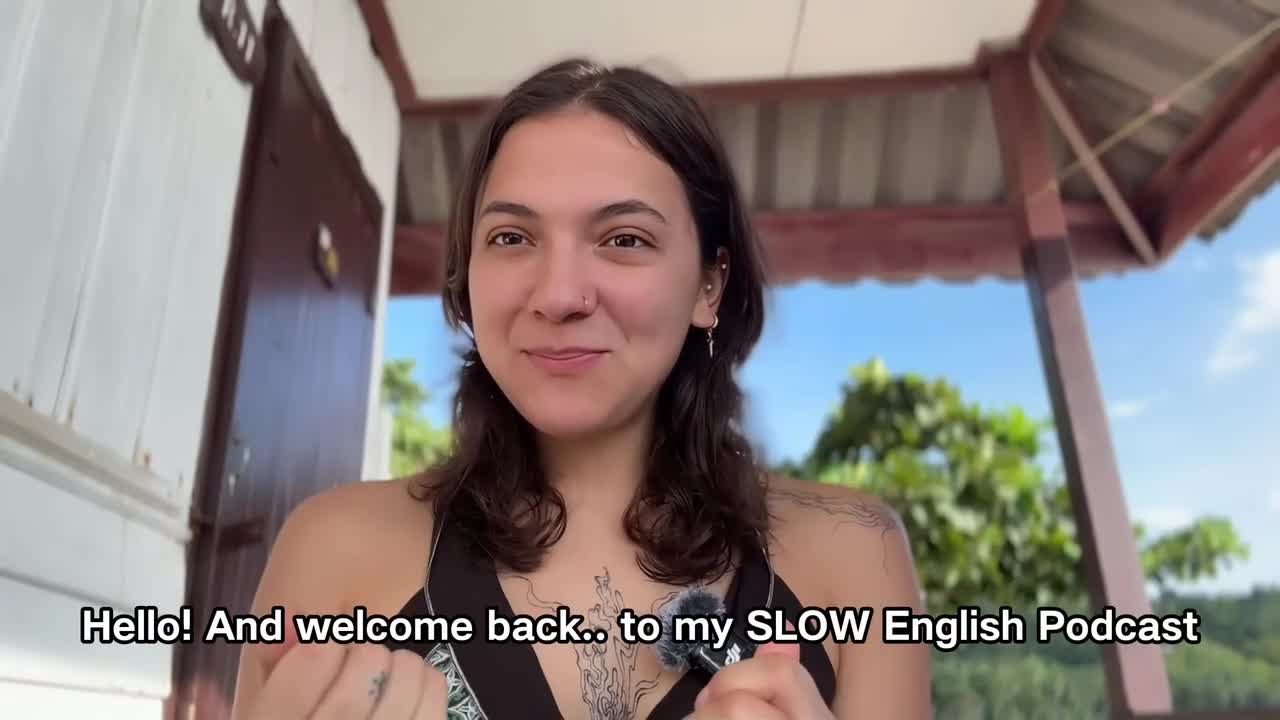
[The Power of Authenticity: Finding Fulfillment Through Genuine Creation]-[Intermediate Slow English Podcast | Shadow New Words! (comprehensible input)]
📋 Summary
The Philosophy of Doing Your Best: Authenticity vs. Convenience
In this episode of the slow English podcast, the host explores the profound connection between our actions, our creative processes, and our overall sense of well-being. The core message centers on the idea that "doing your best" is not merely about achieving a high-quality outcome, but about maintaining a "genuine self" in every endeavor.
The Emotional Impact of Our Actions
The host begins by reflecting on how our daily activities dictate our emotional state. Every action we take, whether perceived as "correct" or "incorrect," leaves a lasting impression on how we feel. By consciously choosing to engage in tasks that align with our values, we can foster a more positive internal environment. For the host, this realization is central to his work in creating English courses and videos. He emphasizes that he is "constantly thinking of ways to do better" to express "gratitude" toward his audience, ensuring that his content remains both helpful and consistent.
The Value of Independent Creation
A significant portion of the discussion is dedicated to the creative process. The host makes a firm stance against outsourcing tasks to tools like "AI chat, GPT" or hiring others to produce content. He argues that relying on external assistance diminishes the "rewarding feeling" and the "feeling of accomplishment" that comes from completing a project from "start to finish."
He posits that when you let others or technology do the work, the result is no longer "your creation." By maintaining full autonomy, the host achieves a level of "satisfaction" that he believes is essential for creative fulfillment. He notes that the content he creates is something he feels "connected to," which ultimately allows that content to "connect" with his viewers.
Authenticity as the Foundation of Connection
Why do viewers return to specific creators? The host suggests that it is not just about the information provided, but about the "real connection" formed through sharing "stories, experiences and opinions." He asserts that "your audience, your viewers are watching you because of you." This highlights the importance of being "authentic" rather than "imitating someone else."
In a world where it is increasingly "easy to follow the easy route"—such as using AI to generate content or copying others—the host advocates for the "hard route." He believes that "creativity is authenticity and authenticity is genuinity." This perspective challenges creators to stop worrying about external validation and instead focus on their unique identity.
Finding Joy Through Genuineness
The concluding argument is a powerful call to action for personal liberation. When you stop "caring about what other people think of you," you become free to "just live your life as it goes." The host encourages listeners to "let your creativity flow" and allow their "authentic self" to show. By embracing who we truly are, we move past the pressure to "be someone or act a certain way" and instead find happiness in simply "existing."
Ultimately, the podcast serves as a reminder that the most rewarding path is the one that remains true to the individual. By prioritizing genuineness over convenience, we not only improve the quality of our work but also significantly enhance our own happiness.
Deep Learning with ListenLeap


