
[The Psychological Significance of Invisible Companions in Childhood Development]-[Have you ever had an imaginary friend? Watch this]
📋 Summary
The Science Behind Imaginary Friends: A Developmental Perspective
The Nature of Invisible Companions
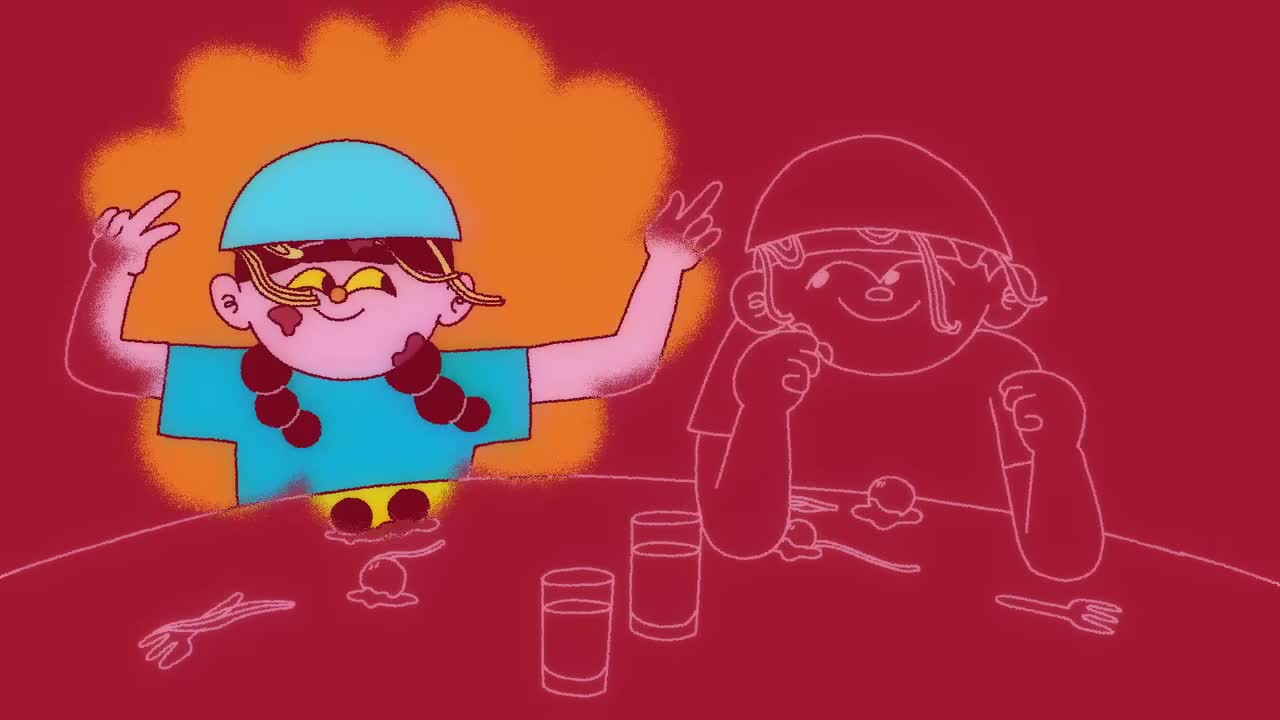
For many children, like the character Amiya and her companion Zelba, the presence of an invisible friend is a central part of their daily lives. While some parents express concern regarding playmates they "can't see or hear," psychological research confirms that imaginary companions are a "normal part of psychological development." These figures serve as more than just fantasies; they are complex manifestations tailored to the child's specific emotional and social requirements.
Origins and Motivations for Creation
Contrary to the myth that imaginary friends are a sign of social isolation or psychological distress, research indicates that the inventors are often "socially outgoing" children. Typically created around the ages of three to four, these companions often fill a void for children who "lack siblings of a similar age." Because these children possess a natural desire for company, they invent it. Furthermore, studies suggest that these children are "better storytellers," implying that the act of creating these characters enhances "linguistic and cognitive development."
Diversity in Form and Function
Invisible companions are not monolithic in their presentation. They can range from "animals, real or fictional" to "personified objects, stuffed animals or toys brought to life by the imagination." The manifestations are also culturally influenced; for instance, a 2004 study noted that while invisible companions are common in the US, "personified objects were much more common" in Japan.
Beyond their appearance, these figures fulfill varied roles. They are not merely "playmates and confidants"; they also function as "scapegoats, errand buddies or babies in need of care." In some instances, children may even experience conflict with these figures, reporting that they "fight with their imaginary companion or are actively afraid of them."
The Developmental Power of Imaginary Play
Researchers emphasize that even the negative experiences with these companions serve a purpose. By creating a "scary, invisible companion," a child is effectively "experimenting with feeling fear and how to conquer it." Similarly, "negotiating imaginary disagreements" allows children to practice conflict resolution in a safe environment "without real-world consequences."
Crucially, children maintain "agency" throughout this process. Since research shows that "children know these characters are imaginary," they remain in control, using these figures to "explore emotions and social interactions on their terms."
Long-term Cognitive Benefits
As children reach the age of five or six and begin forming traditional friendships at school, the presence of these invisible companions typically wanes. However, the benefits of this "pretend play" endure, particularly regarding the "theory of mind." This cognitive ability—our capacity to "understand, imagine, and predict other people's mental states"—is significantly strengthened by early imaginary play, ultimately aiding in the development of empathy and relationship-building skills.
The Legacy of the Inner Monologue
Even as adults, we continue to utilize the foundational skills developed through these childhood companions. When we "rehearse a difficult conversation in the shower" or "talk through your problems to a pet," we are engaging in the same cognitive processes established in childhood. We continue "talking through your inner monologue to problem-solve and regulate your mood." Ultimately, while imaginary friends are not "strictly real," the developmental benefits of play are profound, shaping our ability to navigate the complexities of social existence throughout our entire lives.

Deep Learning with ListenLeap


