
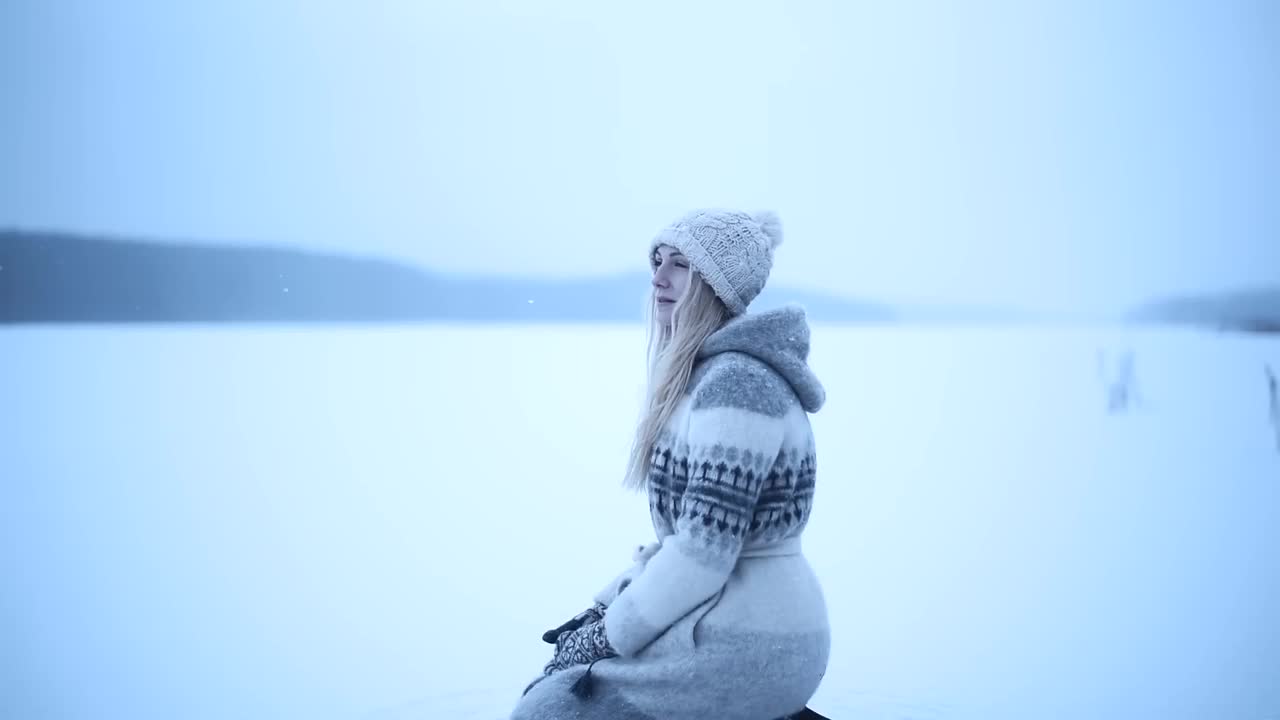
[Embracing the Chill: Transforming Winter from an Adversary into a Source of Vitality]-[ICE SWIM | Feeling the power from the cold]
📋 Summary
Transforming the Winter Mindset: From Endurance to Empowerment
The Challenge of the Dark Months
For many, the onset of winter brings more than just a drop in temperature; it brings a significant decline in personal well-being. The speaker candidly reflects on the previous winter, describing it as a period where they were "constantly sick and constantly freezing," ultimately feeling "so weak in my whole life." These long, cold, and dark months often act as a barrier to maintaining one's energy, leading to a cycle of fatigue and unhappiness. Recognizing this recurring struggle, the speaker identifies a crucial need for a fundamental shift in perspective as they face the arrival of October.
Reframing the Adversary: The Power of Radical Acceptance
The core of the speaker’s philosophy lies in changing the relationship one has with their environment. Instead of viewing winter as an "enemy" that "drains" energy and happiness, the speaker proposes treating the season as a "friend." This psychological pivot is compared to overcoming jealousy: just as one can neutralize the toxic effects of jealousy by expressing admiration toward the person they envy, one can neutralize the negative impact of winter by choosing to "face it" and "accept it with my whole being."
By refusing to let the cold "control" them, the speaker aims to reclaim their autonomy. This is not a battle of resistance, but an act of "surrender." By choosing not to "fight it," the speaker seeks to transform the cold from a debilitating force into a "source of power" that can "awaken my soul" and foster a deeper sense of aliveness.
Finding Vitality Outside the Comfort Zone
Central to this transformation is the realization that true growth often occurs "outside our comfort zone." The speaker challenges the conventional notion that comfort—such as "lying in my bed scrolling on Instagram"—is synonymous with feeling alive. In contrast, they highlight the intense, visceral experience of "walking into ice cold water."
This specific example serves as a metaphor for the broader winter experience. When exposed to extreme cold, the body responds by having "the blood rushing through my body," creating a state of heightened awareness. In such moments, the speaker notes, "there's no tomorrow" and "no past," only the immediacy of the "now." This state of total presence is identified as one of the "best feelings one can ever feel," proving that the physical discomfort of the cold can actually be a catalyst for feeling more vibrant and connected to one's own existence.
Conclusion: A New Approach to the Season
Ultimately, the speaker’s narrative is a testament to the power of mindset. By deciding to stop viewing the winter as a drain on their vitality, they are choosing to prove to themselves that they are "stronger than I think." Through the intentional act of embracing the cold rather than hiding from it, the speaker prepares to enter the winter months not with dread, but with a renewed sense of strength and presence.
Deep Learning with ListenLeap


