
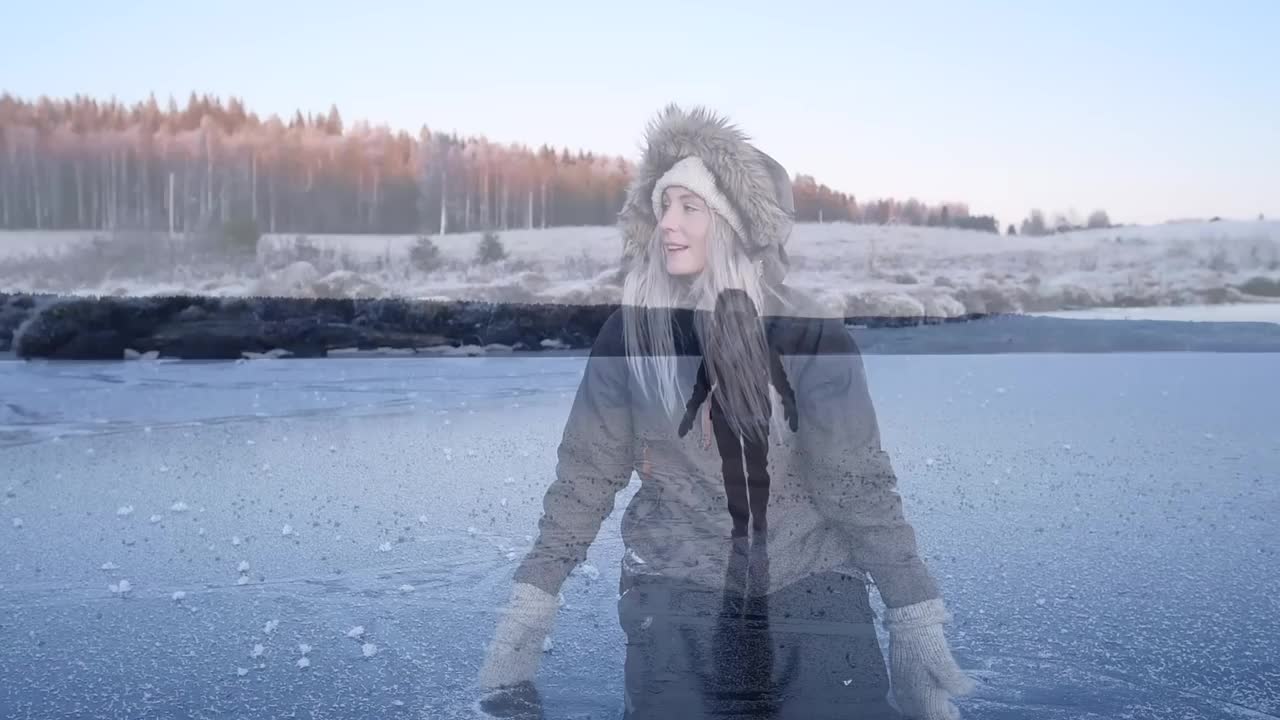
[The Symphony of Frozen Lakes: Unveiling the Magic of Singing Ice]-[Did you know that ice can sing? - Ice sounds - Singing ice]
📋 Summary
The Discovery of an Otherworldly Phenomenon
For many, the onset of winter signifies a quiet, dormant period in nature. However, for the narrator, moving to a remote location by a lake unveiled a hidden auditory world: the "singing ice." This "absolute favorite sound" serves as a fascinating, otherworldly experience that transforms the winter landscape into a stage for natural musicality. The narrator describes these sounds as having the power to "excite my spirit," leading to years of dedicated winter nights spent "listening and recording the sounds of the singing ice."
The Physics of the Singing Ice
Understanding why the ice "sings" requires an appreciation of the physical dynamics occurring beneath the surface. The phenomenon is most prevalent "in the beginning of the winter, just as the lake has frozen to ice." As the "surface of the ice gets thicker," it builds up an immense amount of "strong tension." Eventually, this tension reaches a breaking point, and the ice "cracks." These cracks are not merely static fractures; they propagate rapidly across the expanse, creating "strong vibrations" that are so powerful they can be "heard many miles away."
The acoustic character of the lake is highly variable, influenced by environmental factors such as "how fast the ice grows" and the depth of the "snow covering the surface." A consistent rule of thumb for this phenomenon is that "the colder, the louder sounds" become, as temperature fluctuations directly affect the contraction and expansion of the frozen layer.
A Visceral and Spooky Experience
Being physically present on the lake when the ice is at its most active is described as a "very special experience." The narrator notes that when a crack occurs nearby, one can feel a "wall of vibration" so intense that it feels as if the sound is "almost knocking you down." This intensity highlights the raw, "powerful" nature of the ice's behavior.
Despite the beauty, there is an undeniable element of fear. The narrator admits that it feels "a bit spooky" to venture out into the night to change batteries in a sound recorder while being "surrounded by these loud, strange sounds." The auditory experience is so profound that it evokes the imagery of "an ancient spirit awakening under the ice, roaring out in the night."
Beyond Sound: The Masterpiece of Nature
While the auditory component is the primary focus, the narrator emphasizes that the ice does not just create "magical music"; it also manifests as a visual "masterpiece on the ice." The combination of the visual patterns formed by the cracks and the haunting, roaring soundscape transforms the freezing lake into a living, breathing entity. This dual experience—the visual artistry of the ice surface and the visceral, roaring vibrations—captures the essence of why the narrator finds the phenomenon so captivating and worthy of documentation.

Deep Learning with ListenLeap


