
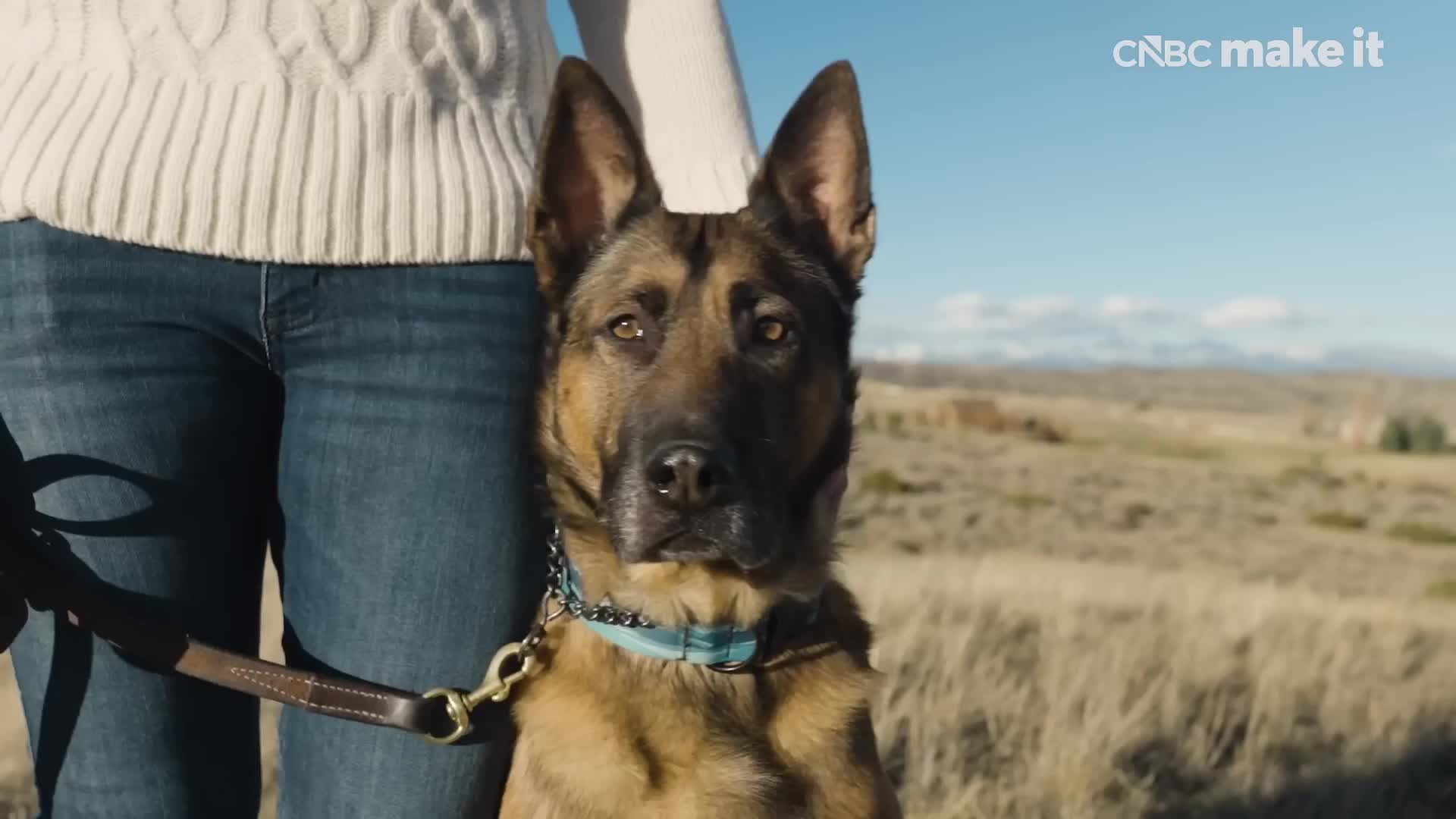
[The Elite World of Family Protection Dogs: Inside the Fallen Ranch Business]-[I Sell Protection Dogs For $175K In Montana]
📋 Summary
The Business of Protection: Elite Canine Training at Fallen Ranch
Fallen Ranch, located in Livingston, Montana, operates in a niche and high-stakes sector: breeding, raising, and training family protection dogs. With each dog priced at $175,000 and a 2024 revenue of $2.9 million, the business is a testament to the intersection of luxury, security, and human-animal partnership.
The Philosophy of Protection
At the core of the business is the belief that these dogs are not mere pets, but highly trained assets. The founder explains that they often try to "talk people out of it" to ensure clients are truly committed. These animals are intended as a "deterrence, first and foremost," providing families with the "capabilities, if God forbid, that was ever necessary." In two decades, only one dog has had to "deploy to create distance, space and time" for a family to reach safety, highlighting that the primary goal is a proactive, rather than reactive, security solution.
Training and Human Capital
Training is a grueling, two-year process requiring "physical and mental exertion." The ranch utilizes an obstacle course they call the "phoenix," where dogs undergo "puppy agitation" to "stand their ground and express confidence towards the decoy." The curriculum focuses on "stability, obedience, and socialization," ensuring the dogs are "good citizens." By the end of the program, the dogs have perfected about 20 commands, with names like "seats" (German for sit) and "close."
Management of the ranch is complex, involving 50 dogs and 13 "two-legged personalities." The founder emphasizes that the most expensive part of the operation is "human capital," as the ranch must be staffed "24-7, 365 days a year." The service model is comprehensive: after hand-delivering the dog, the team provides five days of "bespoke training," followed by protection scenario training 45 days later, and a mandatory annual follow-up for the dog's life.
The Evolution of an Entrepreneurial Journey
The business originated in Kenya, born out of the founder’s personal need for safety while pregnant and living in a volatile environment. Unwilling to carry a firearm or hire a bodyguard, she sought a dog that could be her "best friend as well as my protector."
Transitioning to Montana in 2013 was a pivotal moment, but the road to profitability was long. The business was "broke as a joke for a lot of years," and it was not until 2017—17 years after inception—that it became a profitable entity. Post-divorce, the founder faced a "blank slate," realizing that the business was no longer "someone else's story" but her own. This shift ignited a new sense of purpose and excitement, leading to the current "synergy" the business enjoys.
Market Challenges and Future Outlook
Despite the current success, the industry faces significant hurdles, primarily the scarcity of "high caliber breeding dogs." Finding "really good quality blood" to bring into the population is a constant struggle. However, the market has shifted in their favor; post-COVID, "ultra wealthy individuals" are increasingly frequenting their area, effectively bringing the market to them.
Today, at year 20, the founder feels the business health is the best it has ever been. Having navigated the "brink of" failure and the heavy emotional weight of building an empire, she describes the current state as a "refreshing and beautiful journey." The focus for the future is not on radical change, but on enjoying the success and continuing to execute their mission with the same level of purposeful, high-stakes excellence.

Deep Learning with ListenLeap


