
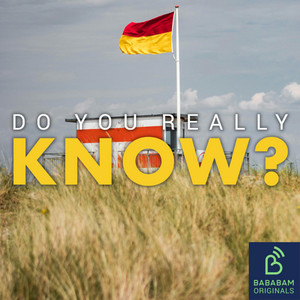
[A Comprehensive Guide to Understanding Beach Flag Safety Systems]-[How to follow the beach flag system?]
📋 Summary
Understanding the Beach Flag System: A Guide to Ocean Safety
Beach flag systems serve as a critical communication tool, designed to indicate the safety conditions of the water and the beach. By adhering to these visual signals, beachgoers can effectively avoid potential hazards and ensure a safer recreational experience.
The Core Color-Coded System
Most beach safety protocols rely on a primary set of color-coded flags to communicate immediate risks:
- Red Flags: These signify that the water is "very dangerous" and swimming is strictly prohibited. This warning is typically issued due to "strong currents, high waves or wind."
- Yellow Flags: This indicator suggests caution. Swimmers are advised to stay within "designated areas" and must strictly follow "lifeguard instructions."
- Green Flags: This indicates that the water is "calm and safe for swimming." However, even under these conditions, visitors are encouraged to "keep an eye on the water conditions" at all times.
- Purple Flags: These are used to warn of "dangerous marine life" in the water. Importantly, this flag can function as an "addition to any of the other flags," meaning it may appear alongside a green or yellow flag to provide supplementary safety information.
International Variations and Regional Differences
It is a common misconception that beach flag systems are universal. In reality, "not all countries use the same flags or have the same meanings for them." Understanding these regional nuances is essential for international travelers:
- European Standards: In countries like France, Spain, and Portugal, the purple flag is absent. Instead, they utilize a "blue flag," which signifies that a beach is "clean, safe and environmentally friendly," often certified by a global non-governmental organization.
- Oceanic Practices: In Australia and New Zealand, the standard green flag for calm water is not employed. Instead, these regions prioritize "red and yellow flags" to clearly mark "lifeguard areas."
- North American Specifics: The USA and Canada often implement more complex systems, including "brown flags" to denote the presence of "rip currents" or a "double red" flag to signal that the water is entirely closed to the public.
Specialized Safety Signals in the UK
Beyond the basic color system, specific regions like the UK utilize additional indicators to manage beach activities and environmental risks:
- Wind Safety: An "orange wind sock" is used to warn of a "strong offshore wind," serving as a vital indicator that "inflatables should not be used in the water."
- Zone Management: A "black and white checkered flag" designates a specific zone for "surfboards, kayaks and other watercraft." In these areas, swimmers and bodyboarders are restricted to prevent collisions.
- Lifeguard Supervision: A "red half over yellow flag" represents a "lifeguard area." This is considered the "safest place to swim and bodyboard," and individuals are strongly urged to "stay within the areas marked by these flags" and prioritize the "lifeguard's advice."
Best Practices When Flags Are Absent
If you arrive at a beach where no flags are present, the responsibility for safety falls on the individual. The primary recommendation is to "try your best to assess any possible hazards" independently. However, if you are "in doubt," or if you are "not a strong swimmer" or are accompanied by children, it is significantly safer to "find a beach with a lifeguard."
Ultimately, the beach flag system is a dynamic safety framework. Whether you are traveling domestically or internationally, the golden rule remains: always "check the local signs and flags before entering the water" to ensure a safe and enjoyable experience.

Deep Learning with ListenLeap


