
[The Ghost of the Himalayas: Survival and Motherhood of the Snow Leopard]-[How Snow Leopards Survive on the Roof of the World | BBC Earth]
📋 Summary
The Elusive Predator of the High Peaks
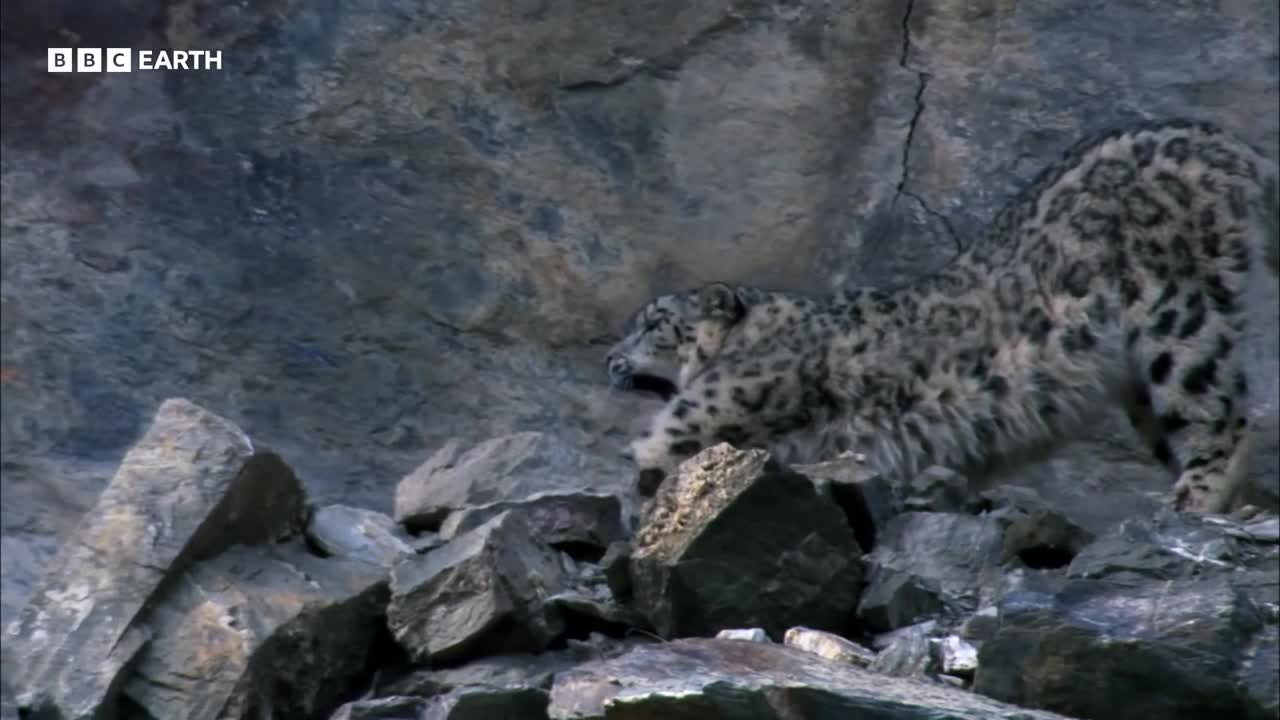
The Himalayan wilderness, characterized by its "treacherous slopes" and jagged terrain, serves as the home for one of the most mysterious creatures on Earth: the snow leopard. Often described as the "rarest of Himalayan animals," this feline predator embodies grace and lethal efficiency. The recent documentation of these creatures provides the "first intimate images of snow leopard ever filmed in the wild," offering a rare window into the life of a female snow leopard as she navigates the challenges of motherhood in one of the harshest environments on the planet.
The Art of Den Selection
Survival in the mountains is predicated on strategic positioning. The female snow leopard is depicted as a master of her domain, having chosen a den that offers "exceptional views of the surrounding cliffs." This vantage point is not merely for observation; it is a tactical necessity. By positioning herself high above the landscape, she can monitor both potential threats and the movement of prey across the rugged verticality of the Himalayan range. This choice of lair highlights the creature's intrinsic understanding of her environment—a prerequisite for keeping her "one-year-old cub" safe from the perils of the wild.
Physical Adaptations for Extreme Terrain
The snow leopard’s ability to thrive where "no hunter other than the snow leopard would have a chance" is rooted in its specialized evolutionary traits. The narrative emphasizes two critical physical attributes: "large paws" and a "long tail." The paws function as natural climbing gear, providing an "excellent grip" on surfaces that would be impassable for other predators. Meanwhile, the long tail serves as a vital counterbalance, allowing the leopard to maintain stability while chasing "agile prey" along narrow, perilous ledges. These adaptations turn the leopard into an apex predator capable of mastering gravity itself.
The Harsh Reality of the Hunt
Despite her superior physical prowess and strategic positioning, the snow leopard faces a brutal reality. The narrative captures a poignant moment where the female "positions herself above her prey," utilizing the element of stealth to execute an ambush. However, the outcome is sobering: "She returns with nothing." This failure underscores the immense difficulty of hunting in the mountains. For a female with young, the stakes are significantly higher, as she is a "more vulnerable target" when burdened by the responsibilities of protecting her cub. The cycle of the hunt is relentless, and even for the most specialized hunter, survival is never guaranteed. The footage serves as a stark reminder of the fragile existence of these magnificent animals, where every hunt is a high-stakes gamble against the unforgiving elements of the Himalayas.

Deep Learning with ListenLeap


