
[The Global Odyssey of the Kola Nut: From West African Rituals to the Birth of Coca-Cola]-[How one of the world’s richest companies rose to power - Shantel George]
📋 Summary
The Kola Nut: A History of Sacred Traditions and Global Exploitation
The Survival of the Nimrod Expedition
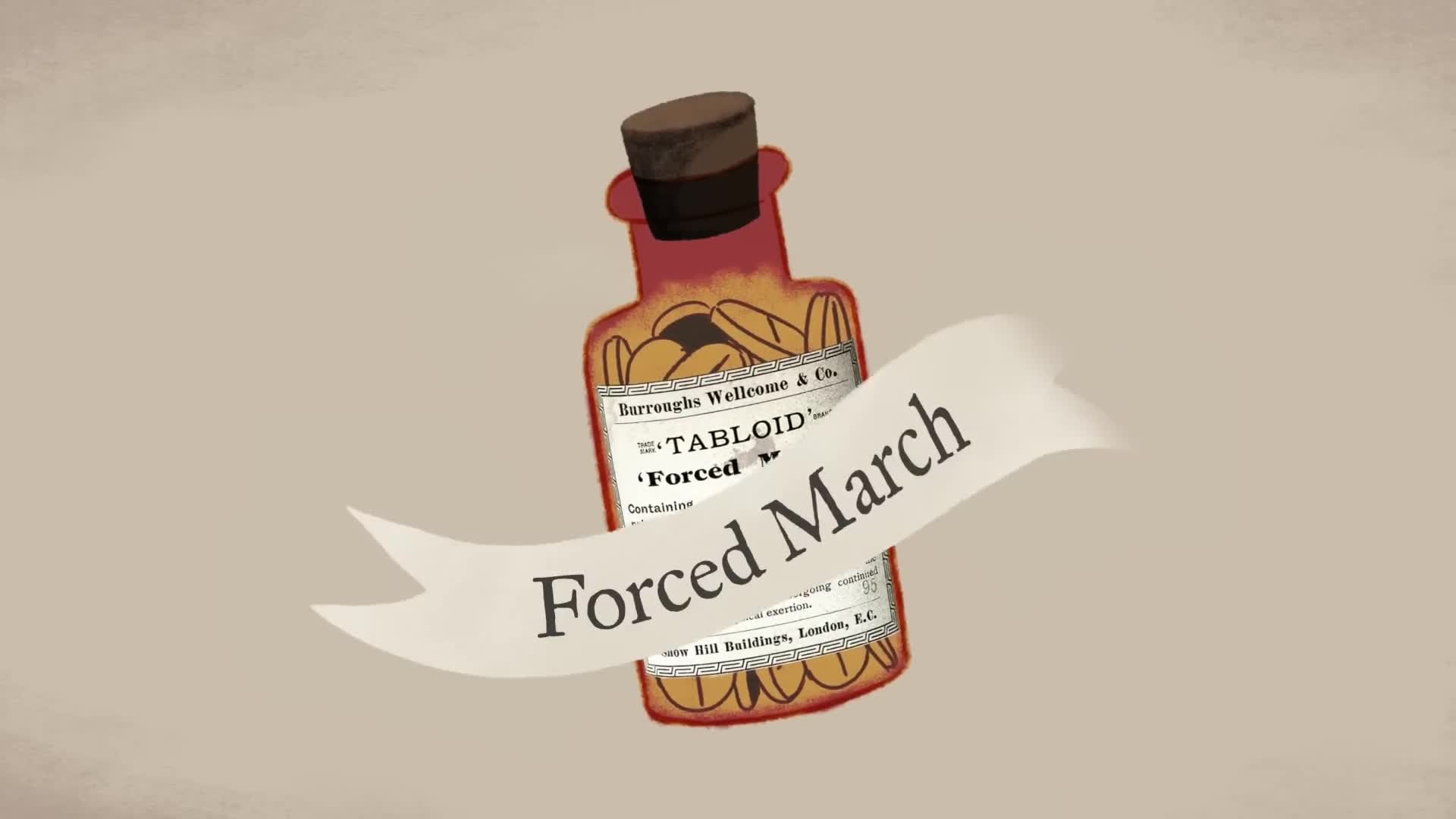
In 1910, Ernest Shackleton’s Antarctic Nimrod Expedition faced a life-threatening crisis. Having miscalculated their food supplies, the exhausted explorers turned to "forced-march tablets." These pills, a potent blend of cocaine and African kola nut extract, provided the endurance necessary for the team to reach safety. This dramatic incident highlights the kola nut's perceived medicinal potency, but its history is far more complex than a mere survival aid.
Cultural Significance in West Africa
The kola nut, a seed from the evergreen kola tree, is deeply embedded in West African culture. Among the Igbo people, it is revered as the "food of the gods," used to honor guests through the custom of breaking and sharing the nut’s lobes. In Yoruba communities, the nut is indispensable in religious ceremonies, including weddings, funerals, and divination. The plant’s chemical profile—containing up to 25% caffeine and theobromine—stimulates the central nervous system, enhancing alertness and blood flow, which has long been leveraged in traditional West African medicine.
The Dark History of Trade and Enslavement
Despite its sacred status, the kola nut has a "bitter side" to its history. By the 10th century, it was used as currency to purchase captives across the Sahara. During the 16th century, Portuguese and Afro-Portuguese traders exploited this, exchanging kola seeds for human beings destined for transatlantic slavery. As the nut arrived in the Americas, enslavers often "weaponized" its energizing properties, forcing enslaved workers to consume it to endure more "backbreaking labor." Yet, in regions like Jamaica, Cuba, and Brazil, enslaved communities cultivated their own cola, turning it into a symbol of "cultural preservation" and religious continuity.
From Pharmacies to Global Commodities
In the late 19th century, European and North American pharmacists became obsessed with the kola nut, marketing it in tonics, chocolates, and lozenges. It was during this era that John Pemberton, an Atlanta pharmacist, combined kola nut extract with coca leaf extract to create the original recipe for Coca-Cola in 1886, promising cures for "headaches, indigestion and impotence." While the Coca-Cola Company eventually removed cocaine from its formula by 1903 and likely reduced its reliance on the kola nut, the ingredient's legacy persists.
A Lasting Legacy
By the 1920s, the global dominance of the kola nut began to wane as the cocoa bean gained popularity. However, the nut remains a vital part of cultural identity today, notably through Jamaican "busy tea." This tea serves as a poignant reminder of the kola nut's journey—a history that encompasses both the horrors of the slave trade and the resilience of human culture. Understanding the history of the kola nut reminds us that even the most everyday commodities often carry the weight of profound historical lessons, helping us better navigate the complexities of our present world.

Deep Learning with ListenLeap


