
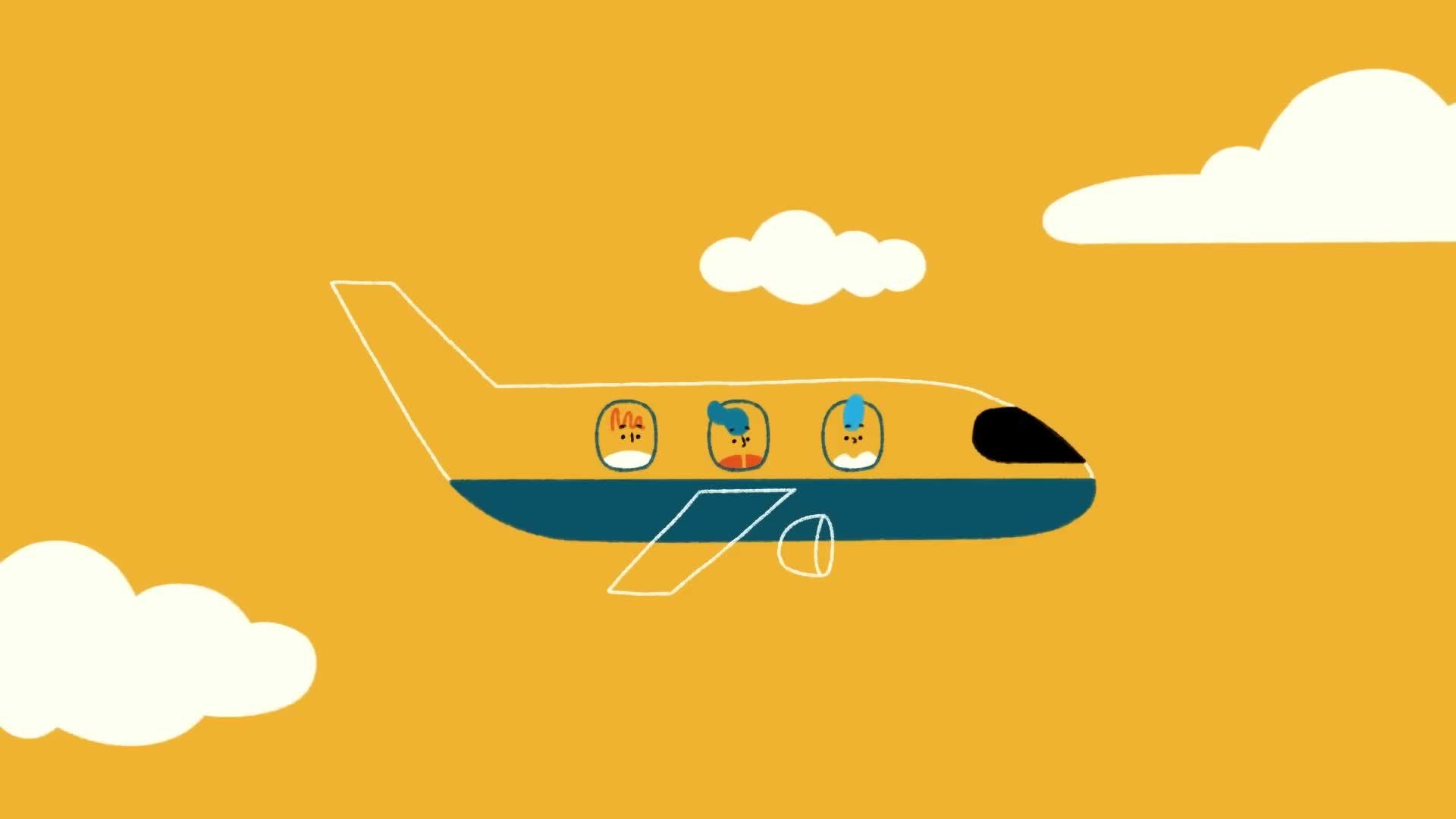
[The Psychology of Solitude: Understanding the Cheerfully vs. Catastrophically Single]-[How Not to Feel Too Bad About Being Single]
📋 Summary
The Dichotomy of Singlehood: A Psychological Perspective
In the modern landscape of relationships, individuals who remain uncoupled often fall into two distinct psychological categories: the "cheerfully single" and the "catastrophically single." These two groups do not merely differ in their relationship status; they differ fundamentally in how they perceive their own worth and the meaning of being alone.
The Cheerfully Single: Solitude as a Choice, Not a Sentence
The "cheerfully single" approach their status with a sense of equanimity. They are not defined by the absence of a partner. For these individuals, being single simply means the "right person hasn't shown up yet," and they are comfortable with the possibility that such a person may never appear. They possess the capacity to "tolerate their own company," finding fulfillment in hobbies, friendships, and solitary rituals—such as enjoying a "nourishing dinner for one" or becoming "absorbed in an article about ants."
Crucially, this group is highly discerning. Because they are not driven by desperation, they are only willing to invite someone into their lives if they are "utterly convinced" of the connection. They understand that most candidates will not be a match, and they view this reality with acceptance rather than anxiety. Their singlehood does not imply they are "awful or corrupt or ugly"; it is a neutral state of being that leaves their "dignity and their basic goodness" entirely intact.
The Catastrophically Single: The Torment of Rejection
In stark contrast, the "catastrophically single" exist in a state of perpetual "mania." For them, being alone is not a neutral circumstance but a source of deep, existential dread. They view their status as a ticking clock, feeling that they are "on the verge of hitting 30, or 56, or 74," after which they fear they will be "relegated to the lowest circle of hell, reserved for the lepers of solitude."
This group often engages in frantic, non-discerning behavior, such as checking apps "every minute" and setting up multiple dates, prioritizing activity over quality. This behavior is fueled by the internal belief that their aloneness is a confirmation of a "hideous truth" about themselves—that they are "dreadful people" or inherently "venal and disgusting." For the catastrophically single, being unchosen is a direct attack on their right to exist, leading to profound torment and, in extreme cases, despair.
The Root Cause: Childhood Legacies and Emotional Wherewithal
The播客 (podcast) posits that these divergent perspectives are a "legacy of how we were perceived in the early years." Our ability to assess ourselves as single people serves as a "bellwether of our emotional wherewithal."
- The Impact of Neglect: Those who feel an urgent, desperate need to be in a relationship often experienced childhoods where they were "severely neglected" or "overlooked." Having been made to feel they were "never good enough," they have learned to "hate their own shadows." Their reliance on a partner is an attempt to externally validate their worth.
- The Privilege of Secure Attachment: Conversely, the cheerfully single have often been granted a "lifetime of protection" because they were genuinely cherished by their caregivers. Because they were "gorgeous" in the eyes of their parents—and internalized that sense of value—they do not require a partner to feel whole. They understand that if they are dining alone, it is not a reflection of their lack of value, but rather "someone else's loss."
Conclusion: The Ultimate Goal of Parenting
The text concludes with a profound insight: one of the highest indicators of successful parenting is the ability to raise a child who "will never feel ashamed not to be in a relationship." True emotional health is the ability to enjoy the "luxury" of one's own company, knowing that one's value is inherent, not conditional upon being chosen by another.
Deep Learning with ListenLeap


