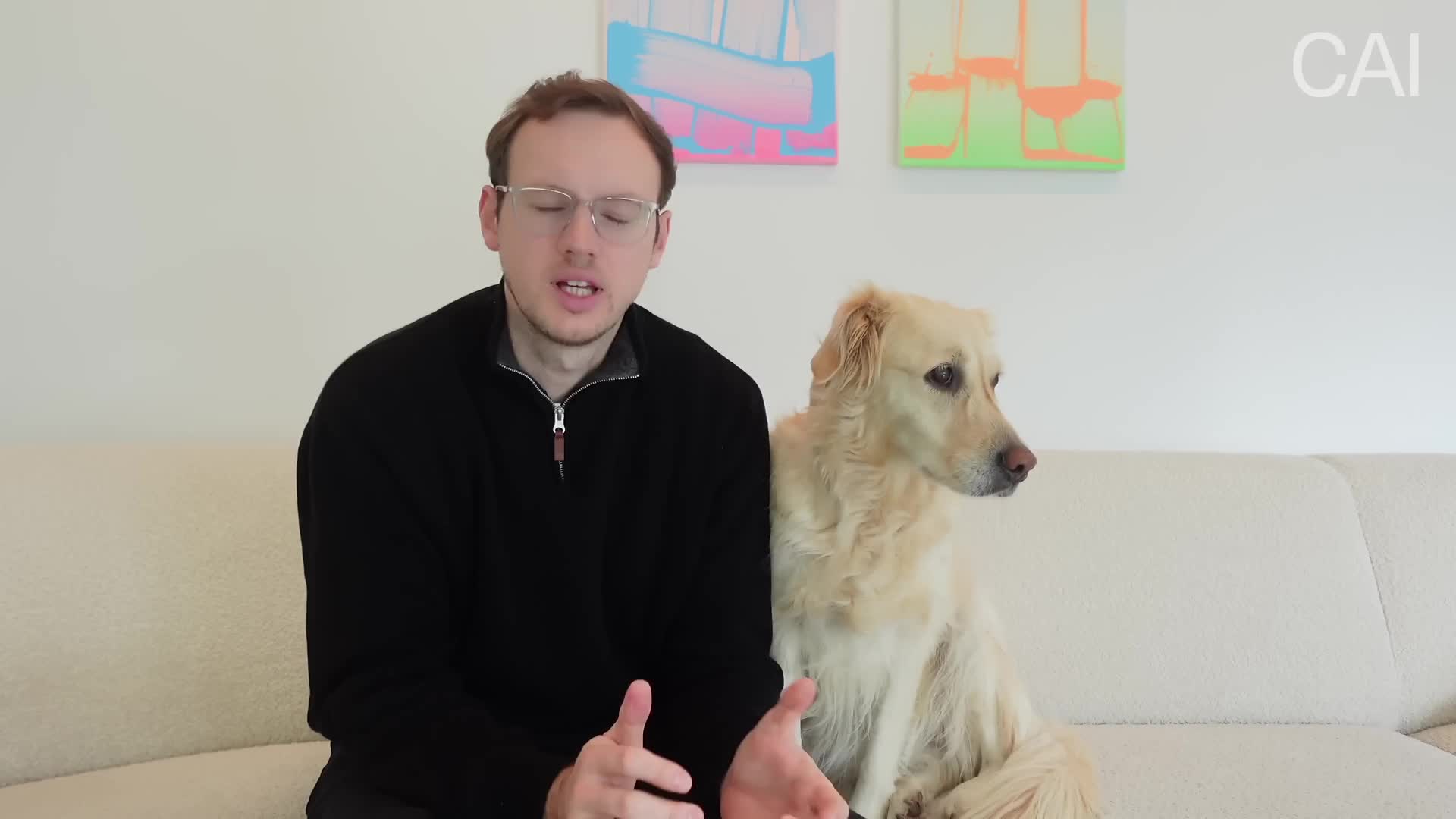
Hello dear readers and subscribers.
How many artists are there?
What are the different types and stages in the careers of those artists?
And how much do they make?
What is the price for an artwork by them?
We're going to answer all these questions in this video unveiling the statistical reality of artists.
An educated guess of the total artist population would be between 15 and 30 million active artists today.
However, of that large pool of artists, only 12 million artists are registered by activity, for instance exhibiting at profit and non-profit institutions galleries museums, etc.
As a result, around 14 million, up to 29 million or perhaps even more artists are being an artist without having their work seen in shows or by the art world, or being able to sell their work either.
These artists working completely outside of the art system are often referred to as hobby artists or passion artists, making no money at all or even running on a loss.
Now, if you have a look at the 12 million artists that are active, that are registered through activity, that are exhibiting and selling in the art world system, then we have different categories here.
In the very periphery of the art world.
So, also working with less established and less well-known institutions and galleries, we find beginner artists or novice artists.
These artists have just entered the conversation, taking their art and career more seriously compared to the hobby artists.
They have their first registered exhibitions at low value venues but have not yet worked their way into a serious commercial art gallery or non-profit institution.
There is no activity on the secondary market, which is a term which refers to all sales occurring after the initial sale on the primary market, where the artwork is being collected for the very first time via direct sale or through a gallery that acts as the intermediary.
So, as a result, the art of beginner artists has not yet gained any cultural or art historical value and therefore relies on a predominantly decorative value.
The prices therefore generally range from 200 to 4000, depending on the size, the materials, the working hours and whether or not the artwork is unique or part of an edition.
While new artists occasionally make sales, their income remains very limited due to those low price points, minimal exposure and very irregular sales.
So on average these artists earn between zero and five thousand US dollars annually.
This group is also the biggest segment, even within this 12 million artists, representing 45 of the art world artist population, which is approximately around 540000 artists.
Next we have the emerging artist, and this is where the new artist is actually gaining some traction within that art world system.
There is actually another important nuance to make here.
The new emerging artist and the advanced emerging artist, based on Well significant differences, both in terms of income and price range, but also on their resume.
This nuance is not made very often in the art world.
Even more.
Beginner artists are also often referred to as emerging artists, simply because the terminology is a bit more appealing.
However, if we would do this, then 95 of the total registered artist population would be emerging artists.
And there are very big differences in price point, resume and income.
For instance, the new emerging artist begins to participate in the art world at local or national level institutions through group exhibitions or at entry to medium-sized galleries and occasionally a first solo show at a small gallery.
They start applying for entry-level art opportunities to establish initial recognition kind of markers for their resume.
Exhibitions at more critical venues, such as non-profit institutions, remain rare, and participation in art fairs is highly unlikely because smaller, mid-sized galleries often cannot afford to take such a financial risk with an unknown artist.
New emerging artists typically have no secondary market activity and are still relatively unknown beyond their local scene.
Their prices range from approximately 600 to 6000, with their annual income averaging between 5000 and 25000.
Please note that a lot of artists can also achieve this status and those figures through an alternative career path, a little bit more outside of the art world system, often through models of self-representation, e-commerce websites, directly through Instagram or simply by participating in art fairs and festivals.
These new emerging artists represent approximately 40% of the total art world artist population.
Which would be an estimate of 480,000 artists.
Now the advanced emerging artist has gained more visibility within the higher end of the contemporary art world.
As they have been around longer, proving their commitment and often operating on an already semi-professional basis.
These artists may work part-time or some even full-time as an artist supported by steady sales and ongoing collaborations.
Think of representation by one or more entry-level to medium-sized art galleries.
They, by doing so, build cultural exposure through participation in juried prizes residencies, grants or features in recognized art magazines or exhibitions curated by non-profit institutions connected to the main networks of their national art scene.
Their works are occasionally offered on the secondary market as well.
Their galleries might present their work at international art fairs, though rarely at top-tier events such as Art Basel and Vries.
The price range for their work now exceeds purely decorative value, generally ranging from 800 to 12000.
Advanced emerging artists earn between $25,000 and $100,000 per year.
This group represents 10% of the total art world artist population, around 120,000 artists.
Climbing a bit further on the ladder, we arrive at the term of the mid-career artist, which does not refer to an artist who is halfway through their career, but rather to one who has been participating actively in the art world for a substantial number of years, allowing cultural and artistic value to accumulate.
Mid-career artists have a consistent sales record, are represented by medium-sized galleries and participate in international art fairs.
They hold solo exhibitions at reputable galleries and non-profit institutions and may have participated in group exhibitions with some more industry-leading galleries or major museums as well.
They may also have had solo exhibitions at regional or national institutions.
Their recognition is reinforced by coverage in renowned art publications, awards and active collector base and acquisitions by public institutional, corporate and renowned private collections, boosting their prices further.
Consequently, they have a strong and stable primary market, and some secondary market activity.
Mid-career artists frequently participate in biennials, triennials and other major art events.
Due to growing demand, they often expand their studio operations, hiring one or more studio assistants.
Their artworks typically range in price from 5000 up to 100000 US dollars depending, as always, on the discipline, medium size and edition.
As a result, mid-career artists earn between 100,000 US dollars and 1 million US dollars per year.
At this level.
It is rare to find artists who operate outside the formal art world, although a few achieve comparable figures through decorative galleries and large-scale self-representation strategies.
The mid-career artists represent approximately 49 of the total artist population in the art world, which is an estimate of around 58800 artists.
Next, we have the established artists, often referred to as blue chip artists.
These artists are represented by industry-leading and or mega galleries, a term which refers to roughly the top 10 to 15 galleries in the world, managing the majority of established artists.
They participate in group exhibitions at major art institutions and solo exhibitions at prominent national and international museums.
Their galleries exhibit their work at the world's most prestigious art fairs, typically in central, high-profile booths rather than in the periphery or the discovery sections of the fair.
They have an active and consistent secondary market and are collected by renowned public institutions.
Established artists are frequently featured in major art magazines.
They may have received prestigious awards as well and regularly participate in global art events.
Their works sell for between 10000 US dollars and 25 million on the primary market.
Depending once more on those factors, up to eight figures in the secondary market.
By this stage, the artist typically manages a large studio operation to meet that global demand, employing studio assistants, art handlers, administrative staff and even in-house art historians.
Established artists earn between 1 million US dollars and 10 million US dollars annually.
This group represents the 01 of the total artist population in the art world system, which would be around 1200 artists.
Finally, we reach the art world superstars.
And these artists are essentially part of the previous category, the established artists.
However, they operate at an even higher level when it comes to cultural visibility and financial success.
They have major retrospectives at the world's leading institutions and command a total market value that far exceeds even the highest performing established artists.
Art world superstars earn more than 10 million US dollars annually.
Think of figures such as Yayoi Kusama, David Hockney, Gerhard Richter, or entrepreneurial powerhouses like Damien Hirst and Jeff Koons, whose estimated net worth reaches 1 billion and 500 million respectively.
This elite group represents approximately 0.01% of the art world artist population.
Definitely read the complete article for a more thorough take on these numbers and some interesting alternative studies.
So it is safe to say that the majority of artists practice it as a hobby.
But as soon as you start to take things a bit more seriously and can become part of that art world system, simply enter that system.
Half of them earns more than 5000 US dollars and 1 in 6 earns more than 25000 US dollars, which allows them to go part-time or sometimes even full-time, and 1 in 20 makes more than 100000.
So within the art world system, the odds are actually rather good, and Getting inside that art world system is indeed a difficult challenge, but we often blame the gatekeepers.
But very often it's simply a matter of knowing where the gate is and how to present yourself at that gate, and if you want to learn more about exactly that, definitely consider subscribing to this channel or having a look at our section on our website, contemporaryartissuecom advice for artists, which is dedicated to explaining just that to help artists navigate towards the gates of the art world and successfully entering them.
I also briefly want to mention that finally, on my personal channel, the first video has been published, because I know a lot of you have been waiting patiently.
So for those who are interested, I'll also link to that video in the description below and in the pinned comment.
Thank you so much for tuning in today.
Feel free to watch our video on where galleries find artists today next.
Support us on Patreon and please consider subscribing to stay posted for more contemporary art.
Bye.