Ryan Reynolds here from Mint Mobile.
With the price of just about everything going up during inflation, we thought we'd bring our prices down.
So to help us, we brought in a reverse auctioneer, which is apparently a thing.
Mint Mobile unlimited premium wireless.
Have to get 30, 30, get 30, get 30, get 20, 20, get 20, 20, get 20, 20, get 15, 15, 15, just 15 bucks a month.
So, give it a try at MintMobile .com slash switch.
$45 upfront payment equivalent to $15 per month.
New customers on first three month plan only, taxes and fees extra.
Speed slower above 40 gigabytes of detail.
When it comes to weight loss, no two people are the same.
That's why Noom builds personalized plans based on your unique psychology and biology.
Take Britney. After years of unsustainable diets, Noom helped her lose 20 pounds and keep it off.
I was definitely in a yo -yo cycle for years of just losing weight, gaining weight, and it was exhausting.
And Stephanie. She's a former D1 athlete who knew she couldn't outtrain her diet and she lost 38 pounds.
My relationship to food before Noom was never consistent.
And Evan. He can't stand salads, but he still lost 50 pounds with Noom.
I never really was a salad guy.
That's just not who I am.
Even through the pickiness, Noom taught me that building better habits builds a healthier lifestyle.
I'm not doing this to get to a number.
I'm doing this to feel better.
Get your personalized plan today at Noom .com.
Real Noom users compensated to provide their story.
In four weeks, a typical Noom user can expect to lose one to two pounds per week.
Individual results may vary.
Lemonade sings a pet insurance customer review.
And get a quote at lemonade .com slash pet.
Hi, everyone. Welcome to today's episode.
I'm Gwen. And as always, I'm here with Leo.
I'm Leo. So Gwen, what are we talking about today?
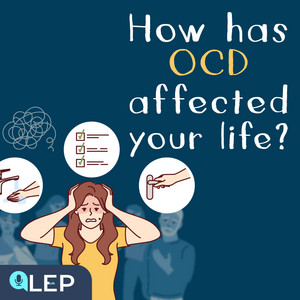
Today, we're talking about OCD, which stands for obsessive compulsive disorder.
Ah, OCD. I've heard people joke about it like saying I'm so OCD because they like things clean.
Yes, but OCD is more than just liking things tidy.
It's a real mental health condition that can make life hard for people.
Got it. So today, we'll explain OCD in a simple way.
No jokes, just facts.
Right. We'll talk about what OCD really is, common myths, and how it affects people.
Let's start. Let's go.
All right, let's start simple.
What is OCD? Yeah, I hear people say OCD a lot.
But what does it really mean?
Good question, Leo.
OCD means obsessive compulsive disorder.
Obsessive. What? Obsessive compulsive disorder.
It's when someone has strong thoughts they can't stop.
Thoughts they can't stop?
Like, what kind of thoughts?
It could be about germs, safety, or making things look perfect.
So they worry a lot about these things?
Yes. These thoughts are called obsessions.
They can be very stressful.
Oh, so what do people do to feel better?
They might do the same actions again and again.
These are called compulsions.
Compulsions? Like what?
Like washing their hands a lot or checking the door many times.
So they feel like they have to do these things?
Yes. It helps them feel less worried, but only for a short time.
And then they feel worried again?
Yes, exactly. It becomes a cycle.
That sounds very tiring.
It is. OCD can make daily life really hard.
So it's not just being clean or organized then?
No, it's much more serious.
OCD isn't just a small habit.
Thanks for explaining, Gwen.
I didn't know it was this hard.
You're welcome, Leo.
It's important to understand OCD the right way.
Right, so we don't make jokes about it.
All right, let's talk about some myths or wrong ideas about OCD.
Yeah. I've heard people say things like, oh, I'm so OCD, just because they like things clean.
Exactly. But OCD is not just about being clean as - So it's not about liking a tidy room or washing hands often?
No, it's much more than that.
OCD is when these actions feel like a must, not a choice.
So someone with OCD doesn't just want to clean.
They feel they have to do it over and over.
Yes, and if they don't, they feel very worried or scared.
Oh, that sounds different.
So they're not just being picky?
Right. OCD isn't about being picky or super organized.
It's about handling strong fears or worries.
So like, a person might check the door 10 times even if they know it's locked?
Exactly. And it's not because they want to, they feel they have to.
OCD can make people feel very nervous and upset.
Okay, what are some common signs of OCD?
One big sign is obsessive thoughts.
These are thoughts that don't go away.
So they can't stop these thoughts?
Yes, these thoughts don't stop even if they try to ignore them.
Obsessions often have themes such as fear of germs or dirt, doubting and feeling unsure about things, wanting everything to be perfectly organized, scary thoughts about losing control or hurting someone, unwanted thoughts about certain topics like religion or aggression.
Oh, wow. Can you give us some examples?
Sure. Examples of obsession symptoms include fear of touching things others have touched, worrying if you lock the door or turned off the stove, feeling very upset if things aren't in the right order, imagining something bad, like driving into a crowd, thinking about shouting or doing something wrong
in public, avoiding things that might trigger these worries like shaking hands.
That's a lot. I can feel the pressure it creates.
Right? And they feel they must take actions to reduce the stress.
These actions are called compulsions.
I see. So they wash their hands or check things a lot?
Yes, but it's not just a lot.
For them, it feels like a rule they must follow.
Compulsions often have themes such as washing and cleaning, checking things, counting, organizing, following strict routines, asking for reassurance.
And examples of compulsion symptoms include washing hands so much that the skin gets sore, checking doors again and again to see if they're locked, checking the stove many times to see if it's off, counting in special patterns, repeating a prayer, word or phrase quietly, trying to replace a bad thought with a good
one, arranging things like cans to face the same way.
Wow. So OCD is not just being careful.
It's a real problem.
So what's it like to live with OCD?
Living with OCD is hard.
Many people feel stressed every day.
Do we have any real stories to share?
Yes, I read about a woman named Sarah.
She has OCD and feels she has to check her door lock again and again.
Like how many times?
Sometimes 10, 20 or even more.
She checks until she feels sure it's locked.
Wow, that must take a lot of time.
It does. She knows the door is locked, but her mind won't stop worrying.
So it's not just a habit.
She can't stop, right?
Yes, it makes her late for work and very tired because she worries so much.
Did she find a way to help?
Yes. She started seeing a therapist.
They're helping her check the lock only once.
Just once? That must be so hard for her.
It is. But over time, she feels less scared and trusts herself more.
That's good to hear.
Do you know other stories like this?
Yes, another person, Jake, has OCD too.
He worries a lot about germs.
What does he do about it?
He used to wash his hands every few minutes.
It made his hands very dry and sore.
Ouch, that sounds painful.
It was. But he learned to wash only when needed, like after using the bathroom or before eating.
That's a big step for him.
Yes, it took time, but he learned to live with OCD without letting it take over.
So people with OCD can learn ways to handle it.
It's not easy, but they can live better.
Obsessive. Meaning, thinking about something all the time and not able to stop.
Example. She was obsessive about cleaning, so she cleaned her room every day.
Compulsion. Meaning, an action someone feels they must do again and again to feel better.
Example. Washing hands many times a day is a compulsion for some people.
Stressful. Meaning, causing worry or making someone feel nervous.
Example. The loud noise was stressful for him, so he couldn't relax.
Anxious. Meaning, feeling worried or nervous about something.
Example. She felt anxious before speaking in front of her class.
Contamination. Meaning, something dirty or with germs.
Small things that can make people sick.
Example. He was scared of contamination from touching things outside.
Routine. Meaning, a usual way of doing things every day.
Example. Brushing his teeth every morning is part of his routine.
What are obsessions and compulsions in OCD?
Obsessions are strong, repetitive thoughts that a person cannot ignore, like fears about germs or safety.
Compulsions are actions a person feels they must do repeatedly, like washing hands or checking locks, to feel less worried.
Why is OCD more serious than just being clean or organized?
OCD is more serious because people with OCD don't just want to be clean or organized.
They feel they must repeat certain actions to stop feeling scared or worried.
It becomes a cycle that makes daily life very hard.
So, Gwen, can people with OCD get treatment?
Yes, they can. There are different ways to treat OCD.
Like what? What kind of treatments help?
One common treatment is called cognitive behavioral therapy, or CBT.
CBT? What does that mean?
In CBT, people learn to change their thoughts and actions.
It helps them deal with their fears.
So, instead of checking the door many times, they try to only check it once?
Yes, exactly. They learn to stop the repeated actions slowly.
Is that the only way to treat OCD?
No. Some people also use medicine to help with OCD.
Medicine? Like what kind?
Doctors can give medication to help calm the mind and reduce obsessive thoughts.
Do people need both therapy and medicine?
Not always. Some people only do CBT, some only take medicine, and others do both.
That's interesting.
It's like there's a plan for everyone.
Yes. Doctors and therapists help find the best way for each person.
So with the right help, people with OCD can feel a lot better.
Gwen, we've talked about therapy and medicine, but what about the people who help?
Good question, Leo.
Mental health professionals, like therapists and psychologists, play a big role.
So? They're like coaches for people with OCD?
Yes. They guide people through the hard parts, especially helping with obsessive thoughts and actions.
What do they do exactly?
Like, do they just give advice?
They do more than just give advice.
They listen, understand, and create a plan to help the person manage OCD.
Sounds like they really have to understand OCD well?
Yes, they teach skills to handle stress and help people stop repeating actions.
Stop repeating actions?
That must be tough.
It is. But with practice, people with OCD learn to trust their own thoughts and feel less afraid.
So therapists help them feel in control?
Exactly. Therapists help people find strength and confidence, which can make a big difference.
So, Gwen, if someone has a friend with OCD, how can they help?
Hmm. I think the first step is to listen.
Really listen to them.
Got it. Listen and try to understand what they're feeling, right?
Exactly. Don't judge or say things like, just stop worrying.
It's not that easy for them.
Right. And I guess saying things like, everyone worries isn't very helpful either?
Correct. Instead, show that you understand their feelings.
Say things like, I'm here for you or I know this is hard.
That makes sense. So, they just need someone to be there for them.
Yes, that's very important.
And remember, don't push them to stop their behaviors.
They need to go at their own pace.
So, don't try to fix it for them?
Right. Let them know they can talk to you without feeling pressured.
All right, Gwen. Why is mental health awareness so important, especially with OCD?
Well, Leo, many people don't understand OCD, so they might make jokes or say hurtful things without realizing it.
Like saying, I'm so OCD just because they like things clean?
Exactly. That can make people with real OCD feel misunderstood or ashamed.
That's not fair. OCD is much more than just liking things neat or clean.
Right. And raising awareness helps people understand the real struggles of OCD.
So, the more people know, the less they'll judge or make those kinds of comments?
Yes. When people know the truth, it breaks down the stigma.
It encourages kindness instead of judgment.
I like that. We should all learn more and help each other feel accepted.
Exactly, Leo. A little kindness and understanding go a long way.
So, let's spread the word and be there for each other.
That's the best way to make a difference.
Together, we can create a kinder world for everyone.
So, if someone thinks they might have OCD or knows someone who does, what should they do?
The best thing, Leo, is to ask for help.
They don't have to face it alone.
Even if they feel a bit scared or unsure?
Yes, it's normal to feel that way.
But talking to a mental health professional can really help.
And they can find out if it's really OCD, right?
Exactly. Professionals can give a clear answer and suggest the right help.
So, no one has to guess or feel confused.
They can get real answers.
Right, Leo. And friends or family can also learn how to help and support in the right way.
So, if we see signs like strong thoughts or habits, we should encourage them to talk to someone?
Yes. A gentle reminder to ask for help can make a big difference.
So, listeners, if you or someone you know might need help, don't wait to take that first step.
Yes. Remember, help is out there, and no one has to face OCD alone.
Treatment. Meaning, something done to make someone feel better from an illness or problem.
Example. The doctor gave her a treatment to help her feel less anxious.
Therapy. Meaning, talking and exercises that help people feel better, especially for mental health.
Example. He goes to therapy to help him with his stress.
Fear. Meaning, a strong feeling when you are scared of something.
Example. She feels fear when she has to speak in front of people.
Patient. Meaning, a person who gets help from a doctor or therapist.
Example. The patient talked to the doctor about their worries.
Support. Meaning, help given to someone during difficult times.
Example. Her friends give her support when she feels sad.
Professional. Meaning, a person with special training and knowledge in a certain job, like a doctor or teacher.
Example. A therapist is a mental health professional who helps people.
What role do mental health professionals play in helping people with OCD?
Mental health professionals, like therapists and psychologists, help people manage OCD.
They teach skills to handle stress and reduce obsessive actions.
How can friends support someone with OCD without pressuring them?
Friends can help by listening and being patient.
They should encourage without pushing the person to stop their behaviors or seek help before they're ready.
Well, that's all for today.
Thank you for spending your time with us.
We hope you found this talk helpful and fun.
Please leave your thoughts in the comments and share this episode with friends.
And don't forget to check out the free PDF link in the description below.
Keep following us for more episodes.
Have a wonderful day, everyone.
Goodbye and see you next time.
So good. So good. So good.
Perfect gifts? We've got them at Nordstrom Rack Stores now.
UGG, Nike, Barefoot Dreams, Catesfade New York, and more.
Find everything on their wishlist all in one place.
Steve Madden. Yes, please.
It's perfect. Did we just score?
The greatest gifts of all time?
Yeah. Head to your Nordstrom Rack store to score.
Great brands, great prices, the greatest gifts of all time.
My dad works in B2B marketing.
He came by my school for career day and said he was a big ROAS man.
Then he told everyone how much he loved calculating his return on ad spend.
My friends still laugh at me to this day.
Not everyone gets B2B, but with LinkedIn, you'll be able to reach people who do.
Get $100 credit on your next ad campaign.
Go to LinkedIn .com slash results to claim your credit.
That's LinkedIn .com slash results.
Terms and conditions apply.
LinkedIn, the place to be, to be.
Bombest presents unsolicited gifting advice.
Number one, if they say not to get them anything, get them something.
Two, underwear is a great gift, just not for your boss.
And three, those absurdly soft bombest socks and slippers you've been eyeing for yourself, they'll love those.
And the fact that for every item you purchase, another is donated to someone who needs it, they'll love that even more.
Go to bombest .com slash acast and use code acast for 20 % off your first purchase.
That's bombest .com slash acast.
Code acast.