
[The Evolutionary Marvel: How Otter Fur Enables Survival in Freezing Waters]-[How Do Otters Insulate Themselves? | BBC Earth]
📋 Summary
The Engineering of Otter Fur: Nature’s Ultimate Insulator
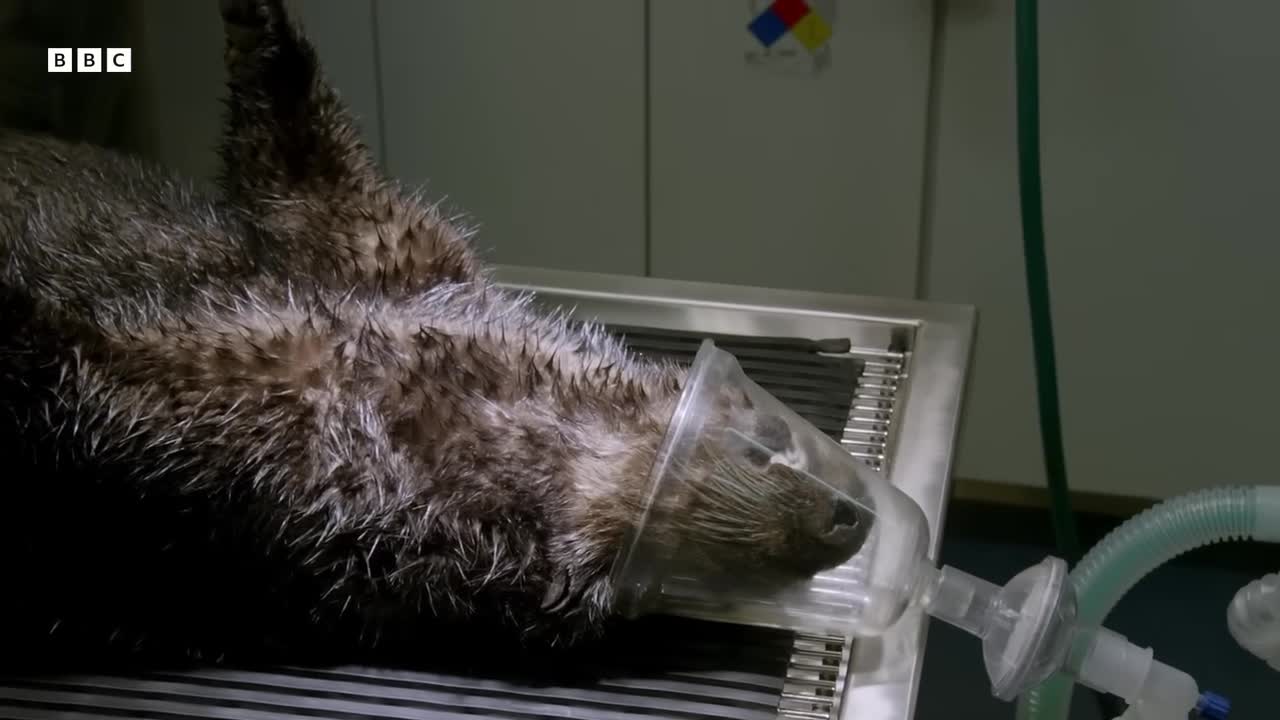
In a recent observation led by the aquarium's head vet, Dr. Mike Murray, the biological complexities of the sea otter were brought into sharp focus. During a routine check-up of an anaesthetised female otter, the remarkable properties of her coat—a biological marvel designed for extreme thermal regulation—were laid bare. This examination revealed that the otter’s survival in harsh, frigid environments is not merely a matter of physiology, but a result of a highly sophisticated, engineered insulation system.
The Overheating Paradox
One of the most striking findings during the examination was the otter’s intense body heat. As noted, the animal "feels really warm" to the touch. In fact, her coat is so efficient at conserving thermal energy that in the absence of cold water, she lacks the "opportunity to dump heat." This necessitates medical intervention: Dr. Murray must apply "bags of ice on her flippers" to prevent the otter from overheating. This paradox serves as a testament to the coat's effectiveness; it is designed to trap heat so aggressively that it becomes a liability when the animal is removed from its natural, cold-water habitat.
Microscopic Architecture and Water Impermeability
The secret to this insulation lies in the structure of the fur. The coat consists of a dual-layer system: long "guard hairs" on the exterior and a dense, "silky soft" undercoat. When observed at a microscopic level, these hairs feature "little scales that stick off the shaft of the fur."
Through the process of grooming, otters condition their fur, causing these scales to "lock together." This locking mechanism creates a barrier that is essentially "impenetrable to water." The result is a stark contrast between the environment and the animal: while the outside of the coat is "wet," the interior remains "completely dry." This structural integrity ensures that even in the most turbulent, freezing seas, the otter’s skin remains protected from the elements.
The Aerodynamics of Warmth: The Down Jacket Principle
Beyond mere water resistance, the otter's coat functions similarly to a "down jacket or a down vest." By grooming, otters increase the "volume of air trapped" within their undercoat. This layer of trapped air acts as a critical thermal buffer.
This behavior is not restricted to adults; it is a vital maternal skill. A mother otter can be seen "fluffing up her baby's coat" by "blowing into its fur." This action physically forces air into the undercoat, maximizing the insulation potential. The logic is simple yet profound: "the more trapped air, the warmer it is." In the freezing waters of Alaska, where survival is precarious, this air-trapping mechanism is the primary defense against hypothermia.
The Labor of Insulation
Maintaining such a high-performance coat is a full-time occupation. For the insulation to remain effective, the coat must be kept in "top condition." Consequently, otters dedicate "hours each day grooming." Utilizing their "flexible spine" to reach difficult areas, they ensure that every inch of their fur is conditioned and aerated.
In conclusion, the sea otter’s coat is a masterclass in evolutionary engineering. By combining microscopic structural locks with a behavioral reliance on air-trapping, the otter has mastered the art of thermal regulation. From the "silky soft" texture that hides the "pale white skin" underneath, to the tireless grooming rituals required to maintain it, the otter's biology is a perfect reflection of its need to thrive in some of the most unforgiving environments on Earth.
Deep Learning with ListenLeap


