
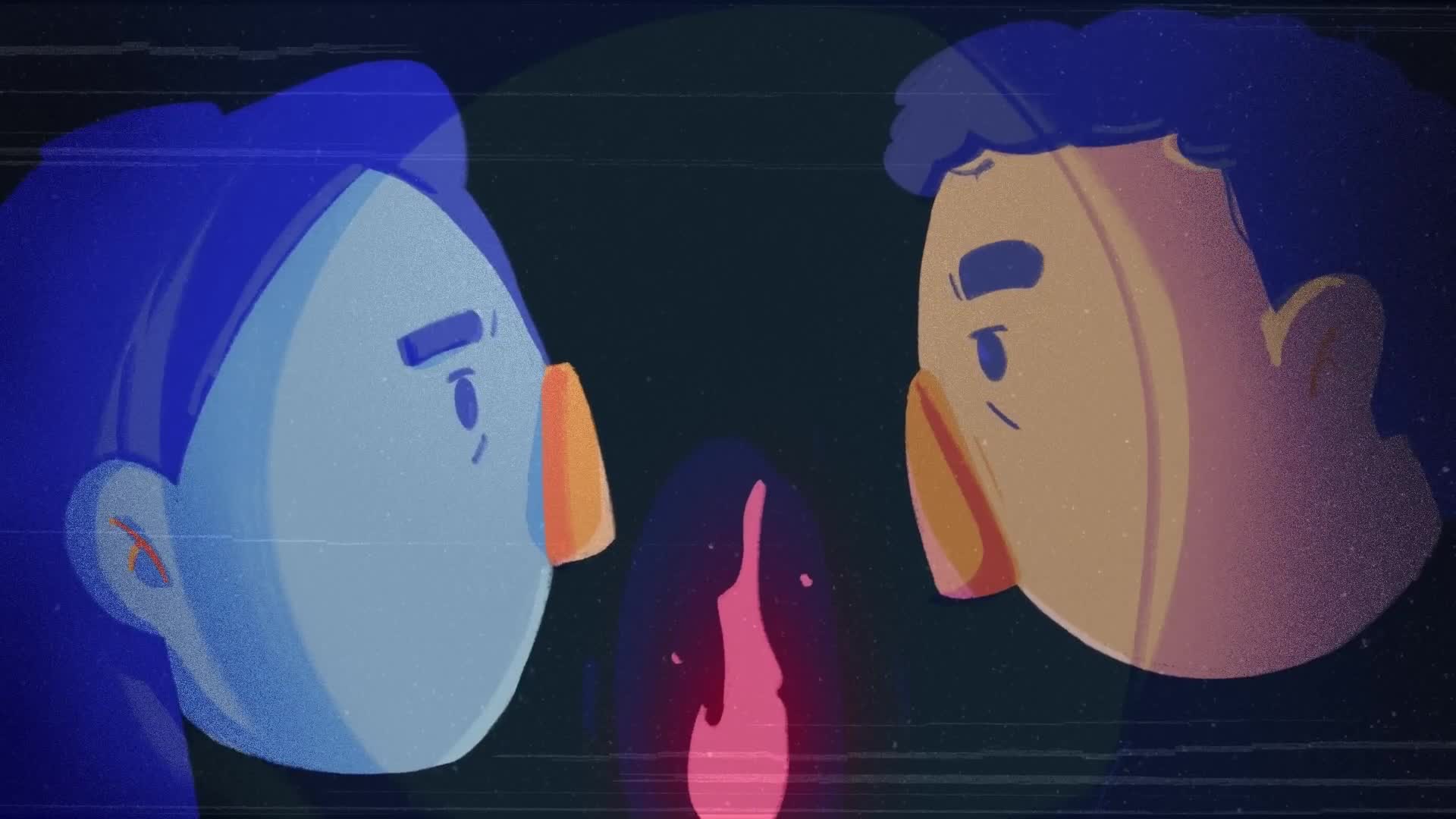
[The Paradox of Vulnerability: Why Love Requires Strategic Editing]-[Honesty on Early Dates]
📋 Summary
The Paradox of Vulnerability: Why Love Requires Strategic Editing
The Fundamental Human Desire to be Known
At the core of the human experience, we are driven by a profound desire to escape the state of being "unseen." We enter the realm of dating with the hope of being "known" and having our "inner lives" witnessed by another. However, this pursuit is immediately complicated by the "paradox of early dating." While we yearn for authentic connection, revealing our full selves too prematurely acts as a deterrent, often leading to being "abandoned" by potential partners who are not yet prepared to handle the complexity of our histories.
The Necessity of Judicious Editing
When we are in the early stages of romance—perhaps sitting in a "pretty restaurant"—the "full facts of any life are generally perilous to bear." To reveal the "crisis at work," our true sexual interests, or our "susceptibility to anxiety" all at once is to invite our date to "run." Therefore, rather than outright lying, we engage in what the speaker calls "editing." We describe our past relationships as merely "somewhat stormy" and our fathers as "intense." We choose to remain silent about our "kidneys," "brother-in-law," or "pending lawsuit." This "judicious management" is not a sign of deceit, but a survival mechanism that allows relationships to progress to a second or tenth date.
The True Goal of Love: Beyond Admiration
We must distinguish between wanting to be admired and wanting to be known. The goal of love is not to be perceived as "marvellous," but to be understood as "pitiful" and to be forgiven for our "oddities," "prevarications," and "shameful things." We crave a connection where we can be seen as the "wretch we are" and yet still be "kept in mind." This is the transition from a superficial socialized form of companionship to a deep, transformative acceptance.
The Art of Judicious Sequencing
The solution to the paradox lies in "judicious sequencing." Human beings have a remarkable capacity to accept the darker aspects of our character, provided they have first established a baseline of "decency and good sense." By the "220th evening," a partner has accumulated enough evidence of our kindness and sanity to withstand the revelations of our "mental fragility" or "tormented family bonds."
Just as parents understand that certain truths about "Granny" or financial struggles can only be shared after a child reaches a certain age, adults must learn to "cut the truth up so it can be metabolised." This process is not about manipulation; it is about respecting the emotional capacity of the other person. By pacing our honesty, we ensure that our vulnerabilities do not overwhelm the relationship, but rather deepen it. Ultimately, this approach is part of the "paradoxical, eternally complicated work of love," where truth is served in portions that allow the bond to survive and thrive.
Deep Learning with ListenLeap


