
[The Rise of Maximalism: Embracing Chaos and Personal Expression in Home Design]-[Do you know about home design maximalism?]
📋 Summary
The Resurgence of Maximalism: Beyond Minimalism
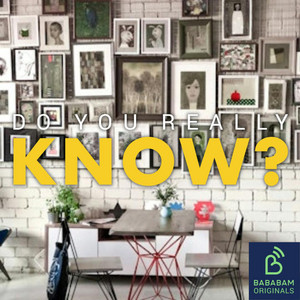
For years, interior design trends have been dominated by Scandinavian philosophies such as "hygge" and the organizational principles of the "Marie Kondo method." These movements prioritized clean lines, decluttering, and a sense of serenity. However, a significant shift is currently underway. Home design is moving away from the "streamlined interior" and embracing an "aesthetic of excess" known as maximalism. This transition marks a departure from the "soulless" perfection of minimalism, inviting individuals to reclaim their living spaces with "trinkets and garish colours."
The Origins of the Maximalist Movement
The pivot toward maximalism is largely a reactionary response to the ubiquity of minimalist design. According to industry observers, many designers and architects felt that the minimalist trend had become "too perfect" and lacked individual identity. After years of living in environments where "nothing sticking out and everything measured down to the last millimetre," there is a collective yearning for freedom.
Furthermore, the COVID-19 pandemic acted as a catalyst for this change. As homes transformed into our "entire world," the barren, sterile nature of minimalist spaces began to feel oppressive. Interior designer Colette van der Tillert noted that while minimalism can be "magical and poetic," it often felt "barren" during lockdowns. Consequently, people turned to maximalism as a way to "boost their moods" and inject personality into their surroundings.
Defining the Maximalist Aesthetic
At its core, maximalism is about authenticity and self-expression. As noted in a 2020 Vox article, looking at a maximalist home is akin to peering into the "inside of a person's brain." It is a design philosophy that encourages residents to fill their homes with "memories and collections" that might appear "disorganised or even absurd" to an outside observer. The movement can be distilled into three fundamental actions: "Mix, accumulate, display."
- Mix: The blending of diverse colours and clashing styles.
- Accumulate: The gathering of trinkets, books, and sentimental items that spark joy.
- Display: The intentional showcasing of prints, paintings, and various objects.
By following these pillars, homeowners can create a space that is deeply personalized and truly reflective of their unique character, rather than adhering to trends that make every home look identical.
How to Curate "Organised Chaos"
While maximalism is characterized by abundance, it is not synonymous with neglect. The goal is to achieve "organised chaos" rather than simple clutter. To successfully adopt this style, one must first "free yourself from the usual deco diktats" and focus on personal preference over fleeting trends.
The process should be deliberate. Experts suggest starting with a specific "colour palette" to anchor the design. It is crucial to maintain a "balance between prints and patterns" to ensure the space remains visually stimulating rather than overwhelming. By adding items incrementally, homeowners can build a collection that feels curated and personal, ensuring that the home remains a vibrant reflection of the individual rather than just a storage space for objects.
Deep Learning with ListenLeap


