
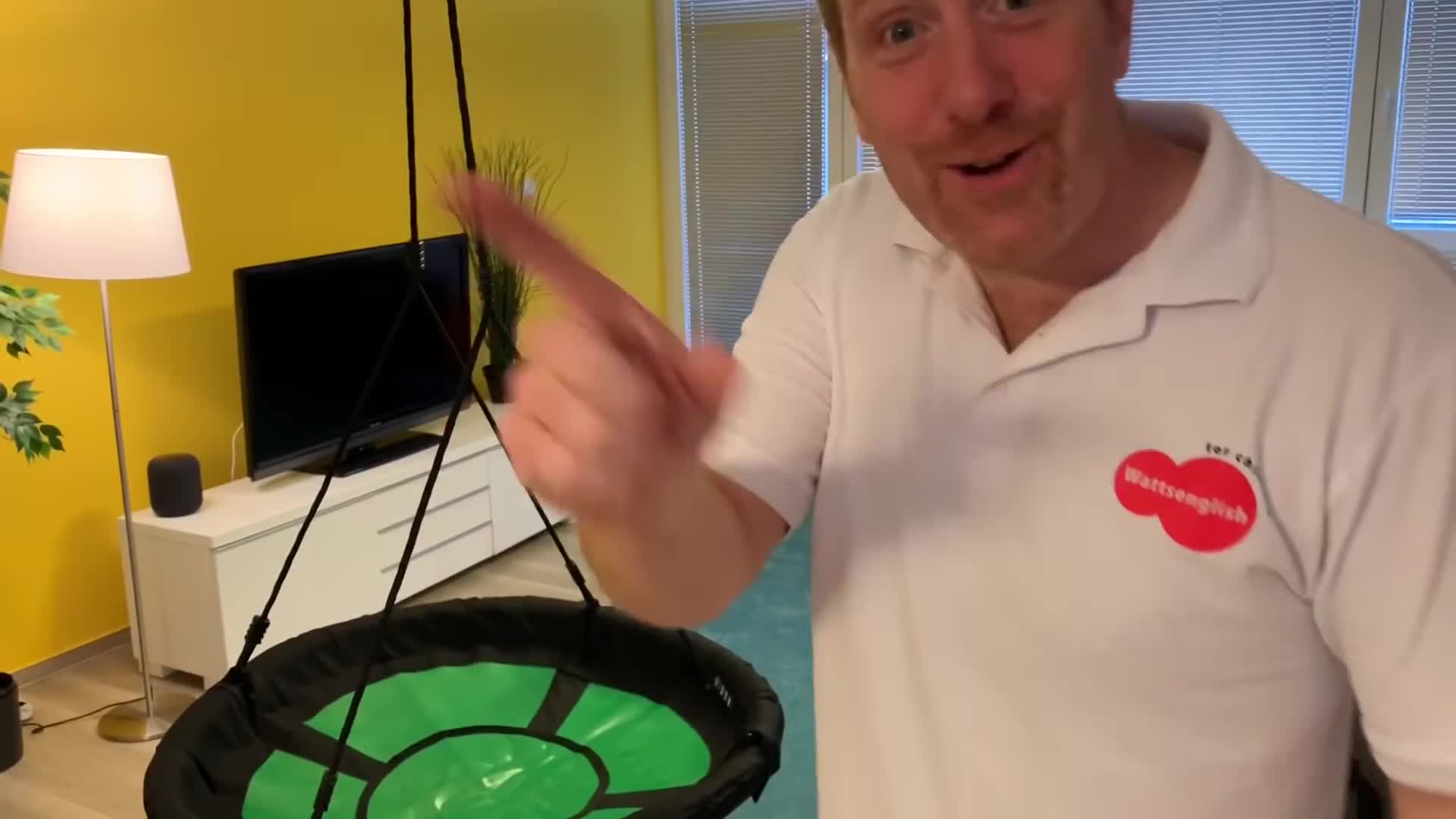
[Interactive Home Adventures: Learning Through Movement and Household Vocabulary]-[Have Fun with Steve and Maggie At home]
📋 Summary
Engaging Children Through Movement and Household Discovery
This podcast episode serves as an interactive educational session designed for children, focusing on physical movement and the identification of household furniture. By combining kinetic learning with rhythmic songs, the hosts create an immersive environment that encourages listeners to stay active while at home.
The Power of Kinetic Learning: "Follow Me"
The first half of the session is dedicated to physical activity, characterized by the recurring theme of "Follow me." The hosts guide the children through a series of motor-skill-enhancing actions, including "ski," "skate," "hop on one leg," and simple walking.
- Skiing and Skating: The hosts use these verbs to encourage movement "around the room," emphasizing coordination. The instruction to "spin around" and "whoosh" adds a layer of playfulness to the exercise, making it feel like a game rather than a chore.
- Hopping and Directionality: By asking participants to "hop on one leg" and "change leg," the session focuses on balance. The hosts further integrate spatial awareness by giving specific commands, such as "hop to the sofa," "skate to the tv," and "ski to the lamp." This bridges the gap between physical movement and object recognition, ensuring that the children are not only moving their bodies but also engaging with their surroundings.
Vocabulary Building: "In My House"
The second portion of the podcast shifts toward vocabulary acquisition through the song "In My House." The hosts systematically introduce furniture items—specifically the "armchair," "sofa," "lamp," and "TV"—by asking the interactive question, "What can you see?"
- Repetition as a Pedagogical Tool: The phrase "It's my house" serves as an anchor for the song. By repeating the names of the items within the lyrics ("It's an armchair," "A sofa in my house"), the podcast reinforces memory retention.
- Personal Connection: The hosts encourage the listeners to look around their own environments, asking, "Have you got an armchair in your house?" This technique successfully shifts the focus from the podcast's house to the listener's own space, turning the lesson into a personal exploration.
Conclusion: Fostering a Positive Learning Environment
The episode concludes with a warm appreciation for the listeners' efforts, praising them with "Very well done, super okay." By maintaining a high-energy tone throughout—complete with cheers like "Yay!" and encouraging phrases like "Don't be naughty" and "keep safe"—the podcast effectively manages to transform a confined home setting into a place of discovery.
Ultimately, this session demonstrates how simple, rhythmic instruction and physical movement can be used to teach basic vocabulary and motor skills. The integration of technology, such as the playful references to "Hey Siri," adds a modern touch that keeps the content relatable and engaging for young audiences.
Deep Learning with ListenLeap


