
[The Evolution of Headwear: From Surrealist Fashion to Symbols of Power and Revolution]-[How hat fashion has evolved throughout history - Alison L. Goodrum]
📋 Summary
The Cultural and Historical Significance of Headwear
Throughout human history, the hat has served as far more than a simple garment for warmth. From the bizarre creations of Surrealist artists to the rigid markers of social hierarchy and the practical symbols of political liberty, headwear has consistently acted as a mirror for the values, status, and anxieties of the societies that produce them.
Surrealism and the Art of the Head
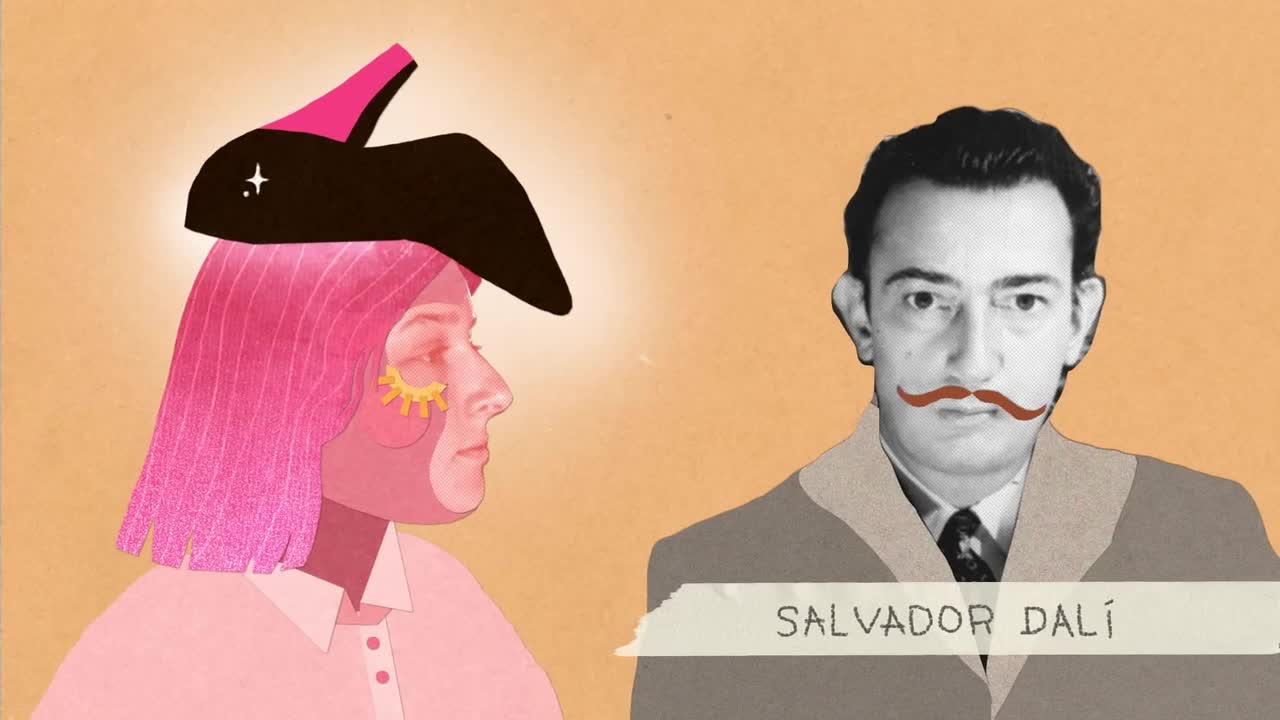
In 1937, the fashion landscape was disrupted by an iconic collaboration between designer Elsa Schiaparelli and artist Salvador Dalí. Their creation—a black stiletto with a pink heel—was designed specifically to sit on top of a woman’s head. This bizarre shoe hat was celebrated as a definitive contribution to the Surrealist art movement, demonstrating how headgear could transcend utility to become a medium for avant-garde artistic expression.
Ancient Origins and Political Symbolism
Human fascination with headgear dates back to the dawn of civilization. While a bearskin cap found with Ötzi the Iceman provides a tangible link to the Bronze Age, researchers believe even older depictions exist, such as the Venus of Willendorf, which may represent the earliest known woven headgear from 30,000 years ago.
Beyond aesthetics, hats have functioned as powerful political tools. The Pileus cap of ancient Rome and Greece served as a public sign of freedom for formerly enslaved people, embodying the ideals of personal and political liberty. This symbolism persisted into the 18th century, where American and French revolutionaries adopted the similar Phrygian cap. Notably, Marianne, the personification of the French Republic, is frequently depicted wearing the red Phrygian, cementing its status as an emblem of republican cause.
Status, Power, and Excess
In the 15th century, Western Europe utilized headwear to enforce social stratification. The hennin, a bejeweled headdress popular among the women of the Burgundy court, was a prime example of royal excess. These structures, ranging from flat-top designs to the double-coned escoffian, were strictly regulated by social rank; while princesses could wear meter-high versions, noblewomen were restricted to shorter styles. Such flashy designs were often considered impious by contemporary clerics.
Similarly, Süleyman the Magnificent used his headwear to project dominance. His grand, bulb-shaped turbans, adorned with diamonds and feathers, and his four-tiered golden helmet served as physical manifestations of his immense power and wealth, designed to intimidate rivals rather than merely provide comfort.
The Cost of Fashion: Mercury and the Mad Hatter
Not all hat history is glamorous; some of it is marked by tragedy. The 19th-century British top hat, crafted from beaver fur, required a dangerous manufacturing process. Hatters soaked materials in toxic mercuric nitrate to improve felt density. Prolonged exposure to this chemical in poorly ventilated spaces caused mercury poisoning, leading to symptoms like irritability, slurred speech, memory problems, and tremors. This reality birthed the cultural archetype of the Mad Hatter immortalized by Lewis Carroll, eventually leading to global bans on the chemical in the late 1800s.
The Commercialization of the Modern Cap
As formal headwear declined, the baseball cap emerged as the dominant force in the industry. Transitioning from a practical element of a sports uniform in the 1960s to a global street-style staple, the baseball cap represents the pinnacle of mass commercialization. Its cost-effective adjustable design and its capacity for hosting logos, badges, and trademarks have made it a ubiquitous accessory, accounting for an estimated 80% of the United States hat market today.
Ultimately, the history of the hat is a history of humanity itself—a testament to our enduring need to signal status, declare our allegiances, and push the boundaries of artistic and practical design.

Deep Learning with ListenLeap


