
[The Art of Bluffing and Competitive Dynamics in Poker]-[The Guys vs. Girls Poker Night | Friends]
📋 Summary
The Strategic Complexity of Poker: Bluffing, Betting, and Social Dynamics
The Misconception of Poker Etiquette
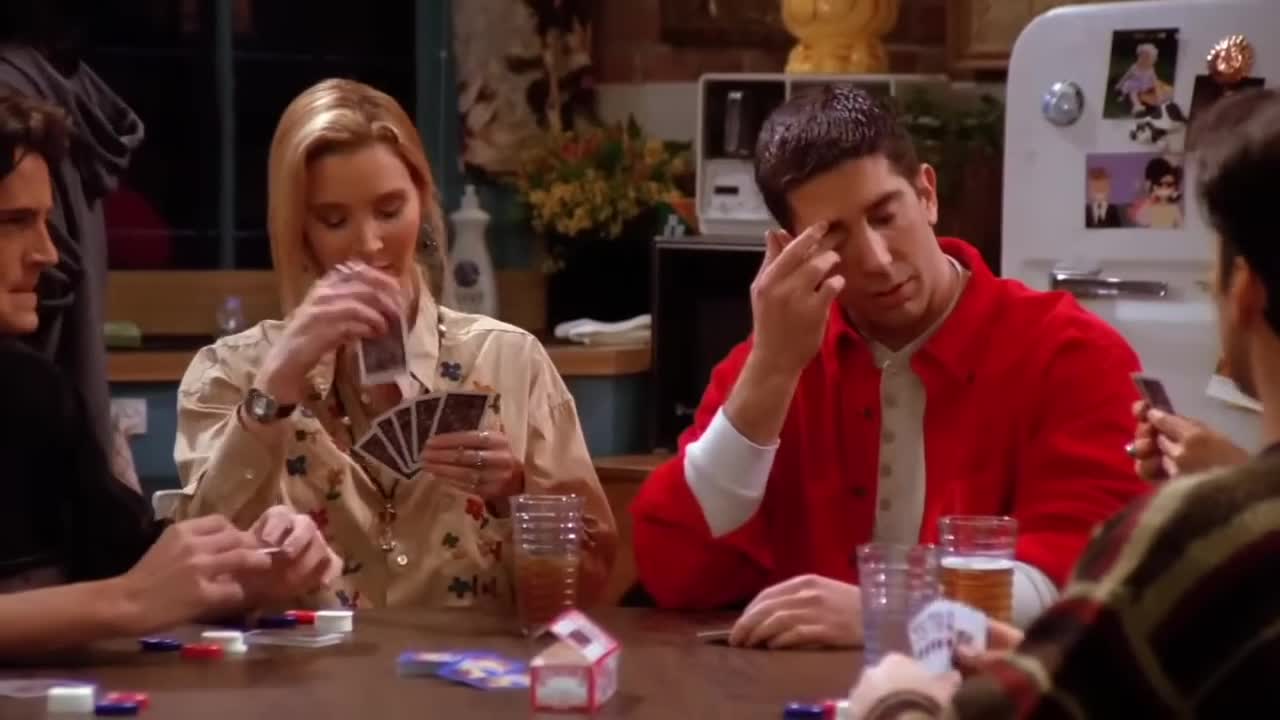
The podcast transcript captures a chaotic yet revealing session of poker among friends, highlighting the fundamental tension between gameplay strategy and social interpersonal dynamics. The conversation begins with a classic misunderstanding of poker mechanics, specifically involving Phoebe. When Phoebe attempts to request specific cards—the "ten of spades and the six of clubs"—the group must correct her, illustrating that poker is not a collaborative effort but a competitive one. This moment serves as a microcosm for the learning curve of the game, where the distinction between "bluffing" and "lying" becomes a central point of contention.
The Psychology of the Bluff
A significant portion of the dialogue focuses on the definition and intent of a "bluff." When a character is accused of lying about the quality of their cards, they defend the act as "bluffing." This interaction underscores a critical poker concept: the intentional misrepresentation of one's hand to influence the behavior of opponents. The skepticism expressed by other players reveals that even among friends, the psychological pressure of a bluff can disrupt the social harmony of a casual game, especially when financial stakes are involved.
Competitive Escalation and Financial Stakes
As the game progresses, the stakes move beyond simple amusement. The insistence on "settling" the debt after the game highlights how monetary stakes shift the atmosphere from a friendly gathering to a competitive battleground. The demand for a "rematch" signals the classic competitive drive to recover losses, a common phenomenon in gambling psychology. The group's dynamic shifts from lighthearted banter to intense focus, particularly when players start measuring their "piles" and negotiating loans, as seen when one character asks for "15" to stay in the game.
The Climax: Hands and Outcomes
The climax of the session revolves around the showdown of hands, specifically the "flush" versus "four sixes" and eventually a "full house." These technical terms serve as the definitive markers of success or failure. The frustration of losing to a "tough hand to beat" is tempered by the group's observation of the winner's genuine joy. Even when players realize they "don't have the cards," the emotional payoff for the winner—and the subsequent resignation of the losers—encapsulates the cyclical nature of poker.
Conclusion: More Than Just Cards
Ultimately, the transcript reveals that poker is as much about the people playing as it is about the cards themselves. From the "Joe incidence" wordplay to the tense negotiation of currency, the game serves as a vessel for testing social boundaries, managing frustration, and experiencing the thrill of victory. The dialogue proves that whether one is bluffing to win or simply enjoying the company, the "game" remains a complex social experiment defined by risk, deception, and the pursuit of a winning hand.
Deep Learning with ListenLeap


