
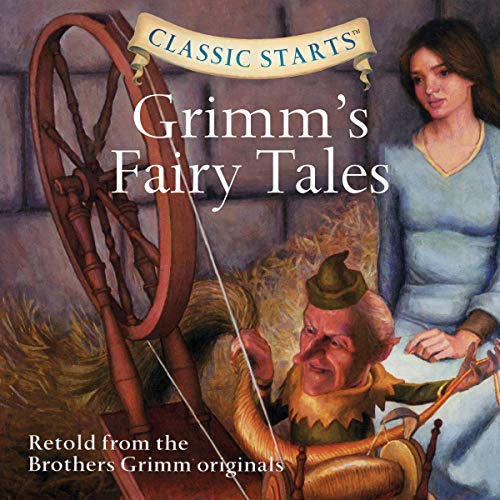
[The Price of Greed and the Power of a Name: A Retelling of Rumpelstiltskin]-[Grimm's Fairy Tales - Part 09]
📋 Summary
The Deception of the Miller and the King’s Greed
The story begins with a classic tale of deception. A poor miller, driven by a desire to impress, lies to his king by claiming, "I have a beautiful daughter who can spin straw into gold." This single lie sets in motion a dangerous chain of events. The king, characterized by his "greedy eyes," immediately exploits this supposed talent. He subjects the girl to a series of impossible tasks, locking her in rooms filled with straw and threatening her with the "castle prison" if she fails to produce the desired wealth. The king’s insatiable desire for riches is clear: even after the first room is filled with gold, he knows "a king could always use more gold," and continues to escalate the stakes.
The Gnome’s Bargain: Trading Treasures for Survival
In her desperation, the miller's daughter encounters a mysterious gnome. The gnome acts as a transactional savior, though his motives are strictly contractual. In the first instance, the girl offers her "necklace," and in the second, the "ring on my finger" to secure the transformation of straw into gold. These interactions highlight the girl's growing vulnerability. However, the final bargain is the most sinister. When the king promises to make her his queen if she succeeds one last time, the girl finds herself with "nothing left to give." The gnome seizes this moment to demand her "firstborn child." Driven by the fear of being "locked away forever," she agrees to the pact, dismissing the potential consequences with the thought, "Who knows what will happen between now and then."
The Queen’s Desperation and the Quest for Identity
Years later, when the gnome returns to collect his payment, the queen is horrified. She begs to keep her child, offering "all the treasures in the world," but the gnome remains unmoved, stating, "All the treasures in the world were not what you promised me." Showing a sliver of mercy, the gnome offers a final condition: "If you can guess my name, I will let you keep your baby."
This triggers a frantic search throughout the kingdom. The queen compiles "list upon list of names," exhausting traditional options like "Casper, Melichor, Balthazar" and even ridiculous ones like "rib-themed mutton chops or spindle shanks." The gnome’s confidence remains unshaken during these trials, as he repeatedly asserts, "No, that is not my name."
The Discovery and the Defeat of Rumpelstiltskin
The turning point occurs when a messenger discovers the gnome’s secret. Deep in the forest, the messenger witnesses the creature dancing around a fire, chanting a revealing rhyme: "Tomorrow I brew, today I bake. Soon the child is mine to take... Rumpelstiltskin is my name." This rhyme serves as the undoing of the gnome’s power.
When the gnome returns for the final confrontation, the queen tests his name. Upon hearing "Rumpelstiltskin," the gnome is visibly "shocked." His reaction—stomping his foot and shaking his fists—symbolizes the collapse of his manipulative control. By discovering his true name, the queen strips the gnome of his leverage, forcing him to leave the palace, "never to return." The story concludes as a cautionary tale about the consequences of greed, the weight of promises, and the profound power found in knowing the truth.
Deep Learning with ListenLeap


