
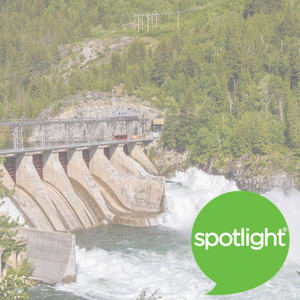
[The Dual Impact of Dams: Balancing Renewable Energy and Human Displacement]-[The Good and Bad of Building Dams]
📋 Summary
The Dual Impact of Dams: Balancing Renewable Energy and Human Displacement
The Conflict at Xingu River
The construction of the Belo Monte Dam in the Brazilian Amazon serves as a poignant case study for the global debate surrounding large-scale hydroelectric projects. The tension reached a peak when local men, adorned in traditional paint and armed with spears, staged a peaceful protest by seizing construction machinery. Their actions underscore a desperate struggle against a project that threatens their way of life. As the podcast highlights, these indigenous people, who have lived around the Xingu River for "generations," find themselves in the path of a "power company" that is "breaking up our community and kicking us out of here forcefully."
The Promise of Renewable Energy
Proponents of dam construction often point to the significant benefits of hydroelectric power. A dam acts as a "barrier across a river," effectively controlling water flow to rotate turbines that generate electricity. This method is highly valued because it provides "renewable" energy that does not "create waste or pollution." Currently, approximately 20% of the world's electricity is derived from these structures. Beyond energy production, dams serve as vital infrastructure for "irrigation," flood control, and creating reservoirs that can support local agriculture and recreation.
Environmental Consequences: A Fragile Ecosystem
Despite the advantages, the environmental cost of damming rivers is profound. The construction process involves flooding vast areas of land, which inevitably destroys existing habitats. Plants and trees "die under the water," and wildlife is forced to flee. The podcast specifically mentions the "zebra pleco," a unique black and white fish found only in the Xingu River. The alteration of the river’s flow threatens to make these fish extinct, illustrating how human engineering can lead to permanent biodiversity loss within the Amazon rainforest.
The Human Cost and Broken Promises
Perhaps the most distressing aspect of the Belo Monte project is the displacement of over 24,000 people. Many of these individuals rely on the rainforest and river for their survival. The narrative of broken promises is central to the local resistance. Tribal leader Bebtuk voiced his frustration, noting that the company and government failed to deliver on commitments to provide a "quality health post," a "school," or basic infrastructure. For those like fisherman Ilio Alaves de Silva, the dam represents the destruction of everything they have helped create, leaving them with "no choice" but to witness the erosion of their ancestral homes.
Conclusion: A Global Dilemma
The situation in the Amazon is not unique; it is a "common" occurrence in many dam-building projects worldwide. While dams offer a clean solution to energy needs, the podcast prompts a critical reflection on the cost. We must weigh the global need for renewable electricity against the local necessity of protecting human rights, indigenous cultures, and fragile ecosystems. The story of the Xingu River serves as a reminder that progress, when achieved at the expense of the vulnerable, carries a heavy moral and environmental price.
Deep Learning with ListenLeap


