
[The Perilous Migration: Survival and Sacrifice Over the Himalayas]-[Golden Eagles vs Demoiselle Cranes | 20 Years of Planet Earth | BBC Earth]
📋 Summary
The Himalayan Gauntlet: A Journey of Life and Death
The migration of cranes across the Himalayas stands as one of nature’s most harrowing spectacles. As the transcript poignantly notes, the cranes are embarking on a journey where "for many, this is their first journey across the Himalayas," while acknowledging the sobering reality that "for some, it will be their last." This transition into the high-altitude environment is not merely a test of endurance against the elements but a tactical battlefield where survival is never guaranteed.
The Predatory Strategy: Golden Eagles as Gatekeepers
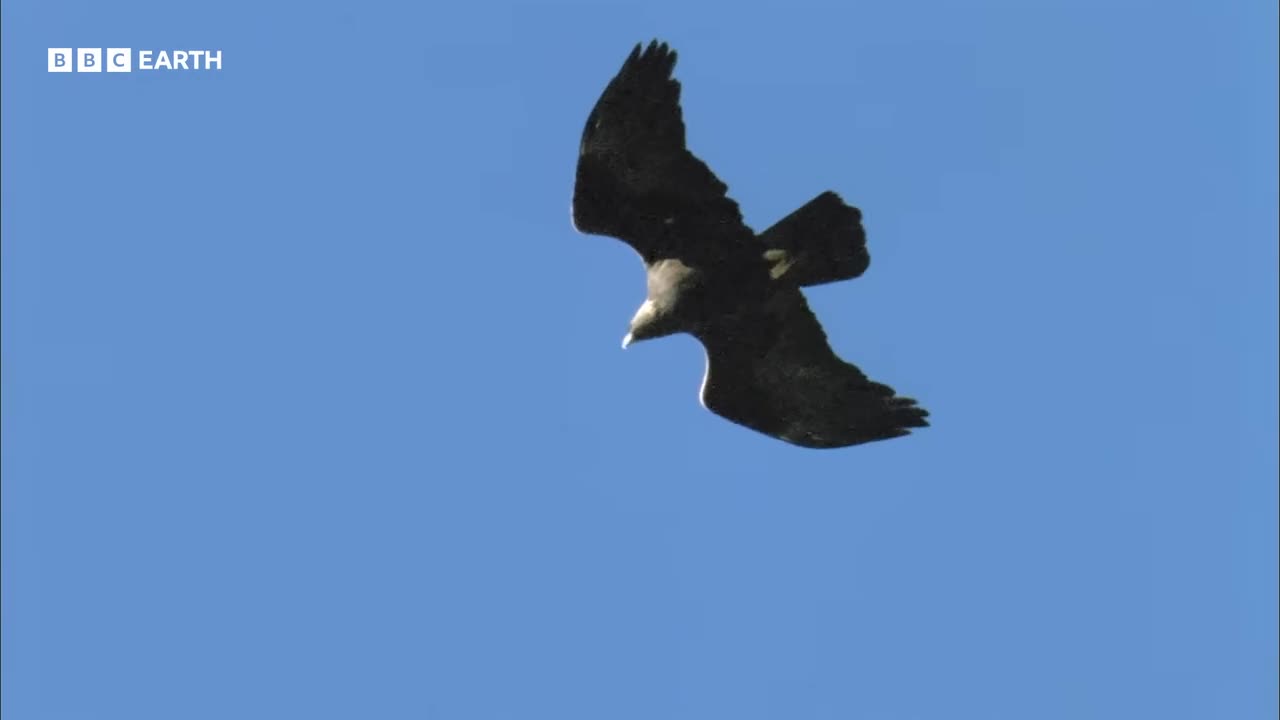
The survival of the flock is constantly threatened by apex predators, specifically the golden eagles. The narrative describes a sophisticated hunting strategy: "The eagles work in pairs to separate a young crane from the flock." This collaborative effort highlights the extreme vulnerability of the younger generation. By isolating a target, the eagles capitalize on the chaos of the migration. The text captures the intensity of this struggle, noting how the crane "escapes the clutches of one and is caught by another," illustrating the relentless nature of the pursuit.
The Burden of the Prize
Even when the eagles successfully isolate a crane, the physical reality of the hunt is grueling. The transcript observes that "even a young crane is a heavy prize," forcing the eagle to "struggle to control it." This detail underscores the sheer power and resilience required for these birds of prey to secure a meal in such a harsh climate. The struggle is a visceral reminder of the energy expenditure required for both predator and prey in this high-stakes environment.
Maternal Instinct and the Desperate Race
Despite the overwhelming odds, the instinct to protect remains the strongest force in the flock. As the eagles close in, the "mother can wait no longer," intervening in a display of protective ferocity. This act of bravery occurs against a backdrop of "worsening weather," creating a "desperate race" for the entire group. The narrative concludes with the poignant image of the survivors, noting that "the rest of the flock battle on." This final assertion captures the essence of the migration: a relentless, ongoing struggle where the journey must continue regardless of the losses incurred. The cranes are driven by an innate necessity to conquer the mountain range, navigating through predators and storms alike to reach their destination.

Deep Learning with ListenLeap


