
[The Magnificence of the Ordinary: Understanding Humanity Through 'Il Gattopardo']-[Giuseppi di Lampedusa - The Leopard]
📋 Summary
The Art of Non-Judgmental Understanding
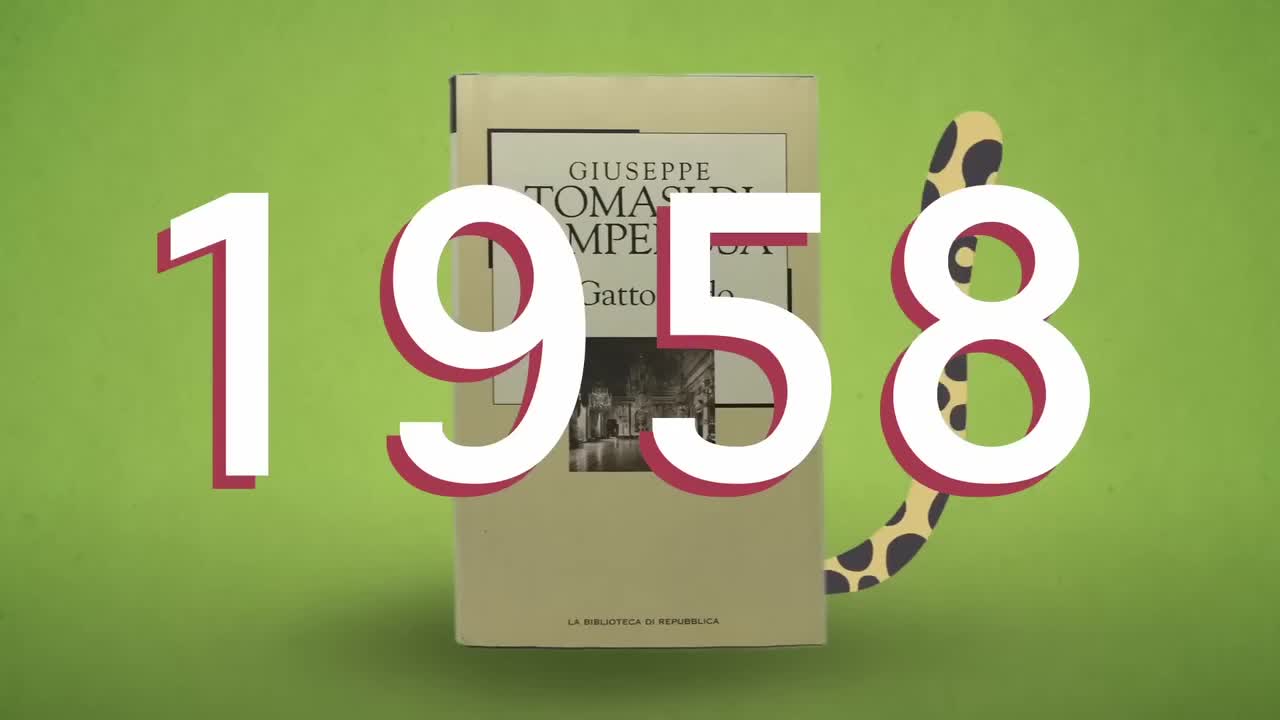
The concept of being non-judgmental is profoundly appealing, yet often misunderstood. It does not require us to flatter or condemn others; rather, it demands the time and trouble to "really understand someone." At our core, we all share a longing to be known deeply and accepted exactly as we are. This inherent human desire serves as the thematic foundation for Giuseppe Tomasi di Lampedusa’s 1958 masterpiece, Il Gattopardo (The Leopard).
The Complexity of Fabrizio Corbera
Lampedusa’s protagonist, Fabrizio Corbera, is a Sicilian aristocrat, astronomer, and mathematician. To the outside world, his surface is "polished, elegant and charming." He embodies the traits of an ideal gentleman: "easy-going, immensely polite, handsome and generous." However, as the narrative peels back these layers, the reader encounters a man who is "irritable, selfish, demanding, a little vain, withdrawn and proud."
Fabrizio is a man grappling with the "impossibly perplexing questions of existence." He is haunted by the realization that he has "wasted his life" and is "overwhelmingly conscious" of his inevitable approach toward death. His personal life is marked by disconnect; he loves his children, yet they do not love him back, and he remains "desperate for the erotic warmth" his wife cannot provide. Even his professional achievements—his work mapping the asteroid belt—are described as a "kind of narcotic." These scientific pursuits allow him to escape the "pains of daily existence" while simultaneously reflecting his deep-seated longing for the "unreachable, the untouchable, the unknown."
The Revelation of Being Magnificently Ordinary
The beauty of the novel lies in Lampedusa’s "kindly loving detachment" toward his hero. Fabrizio is not a saint or a villain; he is "magnificently ordinary." The turning point of his internal journey occurs at a party where he initially feels "depressed and disgusted" by the people around him, labeling them as "ugly, banal, greedy, stupid, shrill."
However, a profound shift occurs. As Lampedusa writes, his "heart split open." Fabrizio realizes a fundamental truth: "He was them." He acknowledges that he is "made of the same material" as those he judged. He reaches the epiphany that "nothing that is destined to die could deserve hatred." This moment of radical empathy is hidden from the world; no one at the party would ever guess that the proud aristocrat could be "so tender and so moved."
Compassion as a Universal Mirror
Ultimately, Il Gattopardo is a book about everyone. While it follows the life of one man, it serves as a mirror for the human condition. We are all, in various ways, "self-aware" and yet capable of "unwittingly" deceiving ourselves. The novel invites us to imagine a world where we are "known through and through" and treated with honor despite our "stupid mistakes and petty failings."
Lampedusa’s message is a call to empathy. If we could truly see the "whole story" of any individual, our hearts would inevitably "break open with love and compassion." By embracing this non-judgmental perspective, we move closer to the reality of the human experience, recognizing that our shared mortality is the common thread that binds us all.
Deep Learning with ListenLeap


