
[Breaking the Scrolling Habit: A Guide to Mindful English Learning]-[Get Addicted to Learning English! (Like scrolling TikTok)]
📋 Summary
Breaking the Scrolling Habit: A Guide to Mindful English Learning
In this insightful session, the teacher addresses a common struggle among students: the inability to focus on study due to the constant temptation of digital distraction. By reframing the relationship between our brains and technology, we can reclaim our time and transform our approach to language acquisition.
The Neuroscience of Distraction
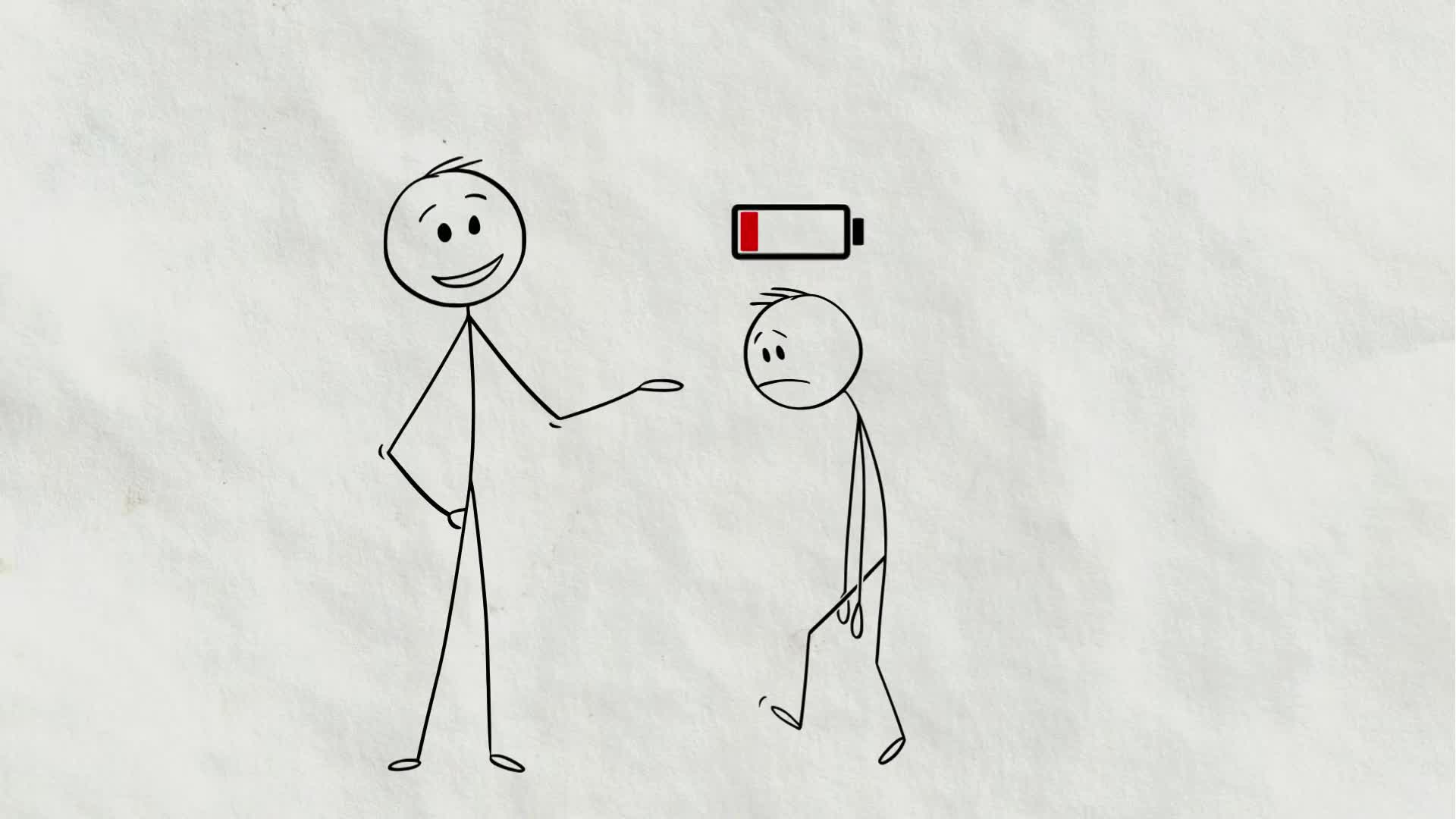
Many students feel guilty for losing hours to "TikTok, Instagram or YouTube," believing they are "lazy" or "weak." However, the teacher clarifies that this is not a personal failure but a biological one. Our brains are wired for "fast happiness"—a state where "scrolling feels easy, fast happiness, no thinking, no effort." Conversely, learning a language requires cognitive load, which makes the brain instinctively seek an easier path. You are not broken; your brain is simply accustomed to high-speed, low-effort dopamine hits.
Retraining the Mind: The Power of Quiet
To combat this, the teacher suggests a process of slowing down. Instead of an impossible digital detox, start with "10 minutes of quiet time" daily. By disconnecting from phones, music, and messages, you allow your mind to become "calm." This boredom is a necessary precursor to focus. As the mind settles, it becomes more receptive to the subtle satisfaction of learning, helping you transition away from the constant need for digital stimulation.
Reframing English: From Monster to Journey
Many students view English as a "big monster"—something scary and overwhelming. The teacher suggests a shift in perspective: treat English as a "journey" rather than a chore.
- Immersive Engagement: Instead of rote memorization, "imagine" the words. Connect vocabulary to your own "struggles" and "dreams."
- Integration: Make English a natural part of your life. Watch videos, listen to songs, and write simple sentences under your photos. When learning feels "natural, not painful," the brain stops fighting the process.
The Strategy of Small Wins
To maintain consistency, the teacher advocates for using rewards strategically. By studying in short, focused bursts—"20 minutes"—followed by a break, you leverage the brain's love for rewards. Marking your progress with a "tick mark" or a "small star" creates a sense of accomplishment. These "small wins build strong habits," reinforcing the idea that you are capable of consistent progress.
Curiosity Over Fear
Ultimately, the key to success is moving from a mindset of "fear" to one of "curiosity." If you learn English for exams, it feels like a punishment; if you learn it for your life, it becomes a "door." By aligning your study materials with your existing interests—such as gaming or following specific creators—you ensure that your brain "follows" rather than fights the learning process.
Conclusion: The Choice for Growth
The path to fluency is not found in forced, long study sessions, but in the decision to choose "learning over scrolling" and "growth over escape." By starting with just five or ten minutes a day, you move toward a future where you can "watch a movie in English and understand it without subtitles." As the teacher emphasizes, you are not just learning a language; you are becoming "addicted to progress," a choice your future self will undoubtedly appreciate.

Deep Learning with ListenLeap


