
[Interpersonal Dynamics and Casual Reflections: An Analysis of Unspoken Tensions]-[Georgie Can’t Move on from Veronica | Young Sheldon]
📋 Summary
The Complexity of Romantic Ambiguity and Avoidance
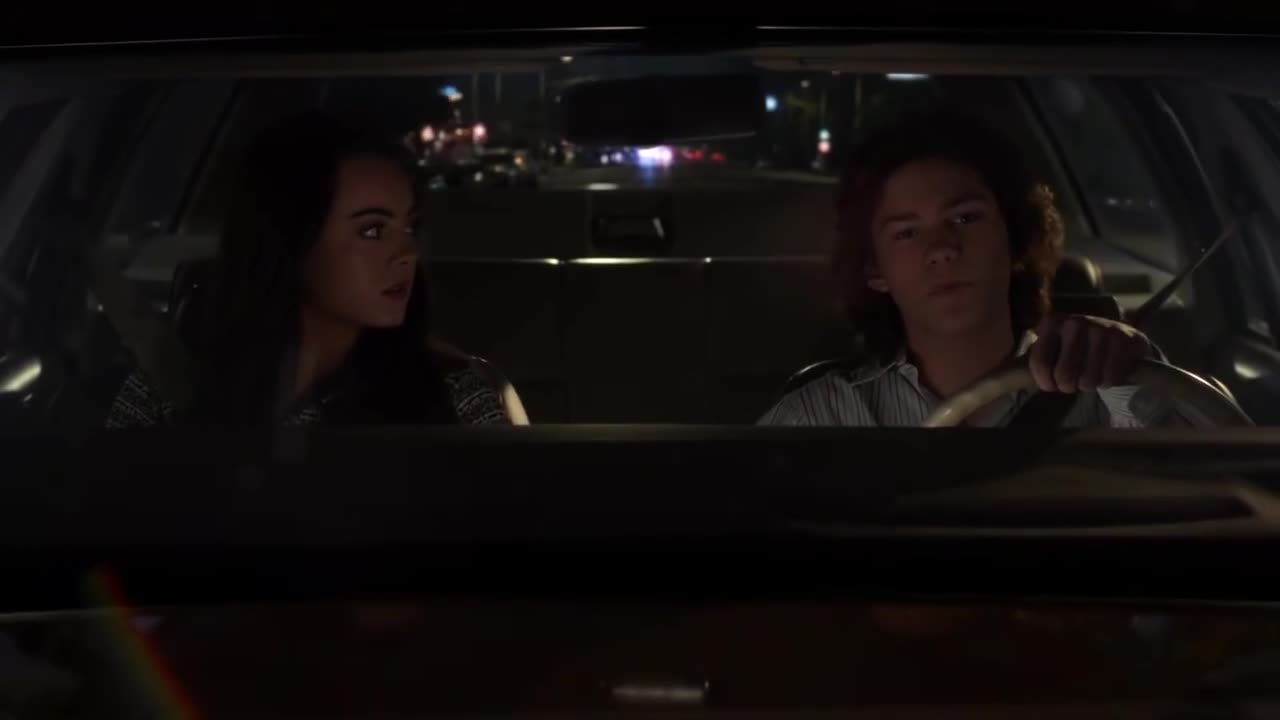
The dialogue opens with a palpable sense of tension, centering on a confrontation regarding past actions and emotional transparency. One participant attempts to evade a direct inquiry about their feelings for a third party, specifically Jana, by redirecting the focus toward their shared presence at a restaurant. The line, "I was hoping you wouldn't pick up on that," serves as a critical admission of intentional obfuscation. This dynamic highlights a common pattern in interpersonal relationships where individuals use strategic redirection to avoid uncomfortable truths. The questioning regarding whether they were taken to the restaurant "on purpose" suggests a deeper layer of manipulative behavior, where the setting was likely chosen to serve a specific, perhaps hidden, agenda.
The Tension Between Conflict and Intimacy
The conversation briefly teeters on the edge of a classic romantic trope when one character asks, "Is this one of those fights where we end up making out in the backseat?" This moment reveals a desire to resolve emotional discord through physical intimacy rather than verbal communication. The subsequent rejection of this prospect—"No"—followed by the wistful response, "That's too bad," underscores a shared acknowledgment of the underlying sexual tension that defines their interaction. It illustrates how physical intimacy is often used as a shorthand for reconciliation, even when the underlying issues remain unaddressed.
Generosity and Social Hierarchies
The exchange regarding a monetary tip introduces themes of social obligation and power dynamics. The insistence that the other person take the money—"Well, now you have to take this. I insist"—transcends a simple financial transaction. It functions as a gesture of goodwill, perhaps intended to alleviate the guilt associated with the aforementioned romantic confusion. The recipient’s initial reluctance, noting they wanted to "get out of there alive," implies that the previous social environment was fraught with danger or high-stakes pressure. By accepting the money, the dynamic shifts from one of conflict to one of mutual support, as the recipient explains they are "trying to save money for college," humanizing their struggle and shifting the focus to their individual aspirations.
The Use of Absurdist Humor as a Coping Mechanism
As the dialogue progresses, the participants pivot toward trivial, almost surreal topics, such as the etymology of the "spork." The remark, "I bet the guy who invented the spork is a millionaire," followed by the realization that "it comes from spoon and fork," serves as a classic psychological displacement strategy. By focusing on mundane trivia, the characters successfully bypass the weightier, unresolved issues regarding Jana and their own relationship. This shift in discourse acts as a buffer, allowing them to reconnect through shared curiosity rather than emotional vulnerability.
Projected Ideals and Self-Perception
The final portion of the conversation shifts toward personal appearance, specifically regarding haircuts and the aesthetics of a "little beard like George Michael." This transition suggests an attempt to project ideals onto one another. By suggesting how the other should look, the participants are essentially negotiating their attraction and social compatibility. The speculation about George Michael’s height—"I wonder how tall he is. I bet he's tall"—further emphasizes a preoccupation with idealized figures. Ultimately, the conversation reflects a fragile equilibrium where deep-seated emotional confusion is momentarily pacified by the comfort of casual, albeit superficial, companionship.
Deep Learning with ListenLeap


