
[Future Scientists and Their Favorite Reads: A Book Club for Kids Special]-[What are Future Scientists Reading?]
📋 Summary
Young Minds and Their Literary Favorites: Insights from the City of STEM
In this special bonus edition of The Book Club for Kids, host Kitty Feldy visits the City of STEM LA Maker Faire to interview young readers about the books that shape their perspectives, fuel their imaginations, and provide entertainment. The diverse range of selections—from realistic middle-school fiction to high-stakes fantasy—offers a fascinating glimpse into the reading habits of the next generation of scientists.
Realistic Fiction as a Guide to Growth
For many students, books serve as a bridge to understanding the complexities of social life. Andrew, a 6th grader, highlights Diary of a Wimpy Kid as his favorite, noting that he enjoys reading about "real life things." While acknowledging that the series contains "odd stuff," he appreciates the books for helping him understand "what would happen in middle school," effectively using literature as a tool for personal preparation. Olivia shares this sentiment, expressing a strong connection to the humor of the series, noting that she often thinks the same way as the protagonist.
The Timeless Appeal of Epic Narratives
Classic literature continues to hold sway over younger readers. Elise, a 10th grader, champions Alexandre Dumas’s The Count of Monte Cristo. She describes the work as "timeless," emphasizing that the "intriguing" writing style and "realistic" endings make it enjoyable regardless of age. Her appreciation for Dumas extends to The Three Musketeers, where she admires how the author "comprehensively writes at storylines" with multiple arcs that make the characters feel genuinely human.
The Allure of Fantasy, Mystery, and Adventure
Fantasy remains a dominant force for younger readers, providing an escape into complex, imaginative worlds:
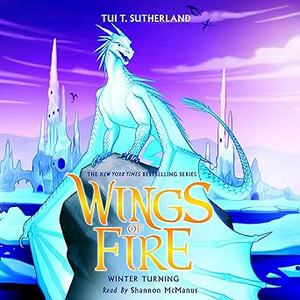
- World-Building and Perspective: Kira, a student at Valleyview, expresses a deep love for the Wings of Fire series. She is particularly drawn to the fact that the story is told from the "point of view" of dragons rather than humans. She appreciates that the dragons are "smarter than humans," having established their own "houses and communities," which adds depth to the narrative.
- Complex Heists: Quinn, a 7th grader, points to Six of Crows as a favorite due to its "interesting heist" plot. He highlights the "six different characters" with "unique personalities" who must work together to complete a "hard heist," showcasing an appreciation for ensemble storytelling.
- Humor and Action: Dylan finds a balance between action and comedy in Rick Riordan’s Percy Jackson series. For him, the appeal lies in the "battles," which he finds "cool," combined with the "humorous" nature of Greek Heroes, which is packed with "a bunch of jokes."
- Mystery Solving: Jill, an avid reader of the Hardy Boys, displays a budding interest in detective work. Her passion for "solving crimes" and her self-described trait of knowing "a lot about everything" suggests that the mystery genre is effectively nurturing her analytical skills.
Diverse Storytelling Structures
Some readers prefer series that offer expansive, interconnected narratives. Juliet, a 7th grader, recommends the Books of Bayern by Shannon Hale. She appreciates that the four-book series features "a lot of different stories" where each volume "tells the story of a different person in the same area," demonstrating a sophisticated appreciation for shared-universe storytelling.
Conclusion
The podcast episode underscores the profound impact that diverse reading materials have on young minds. Whether they are seeking to understand the social dynamics of middle school, exploring the complex hierarchies of dragon societies, or deciphering mysteries, these future scientists use books to explore, learn, and grow. For those interested in exploring these recommendations further, the Book Club for Kids maintains an extensive database of "Books We Love" on their official website.
Deep Learning with ListenLeap


