
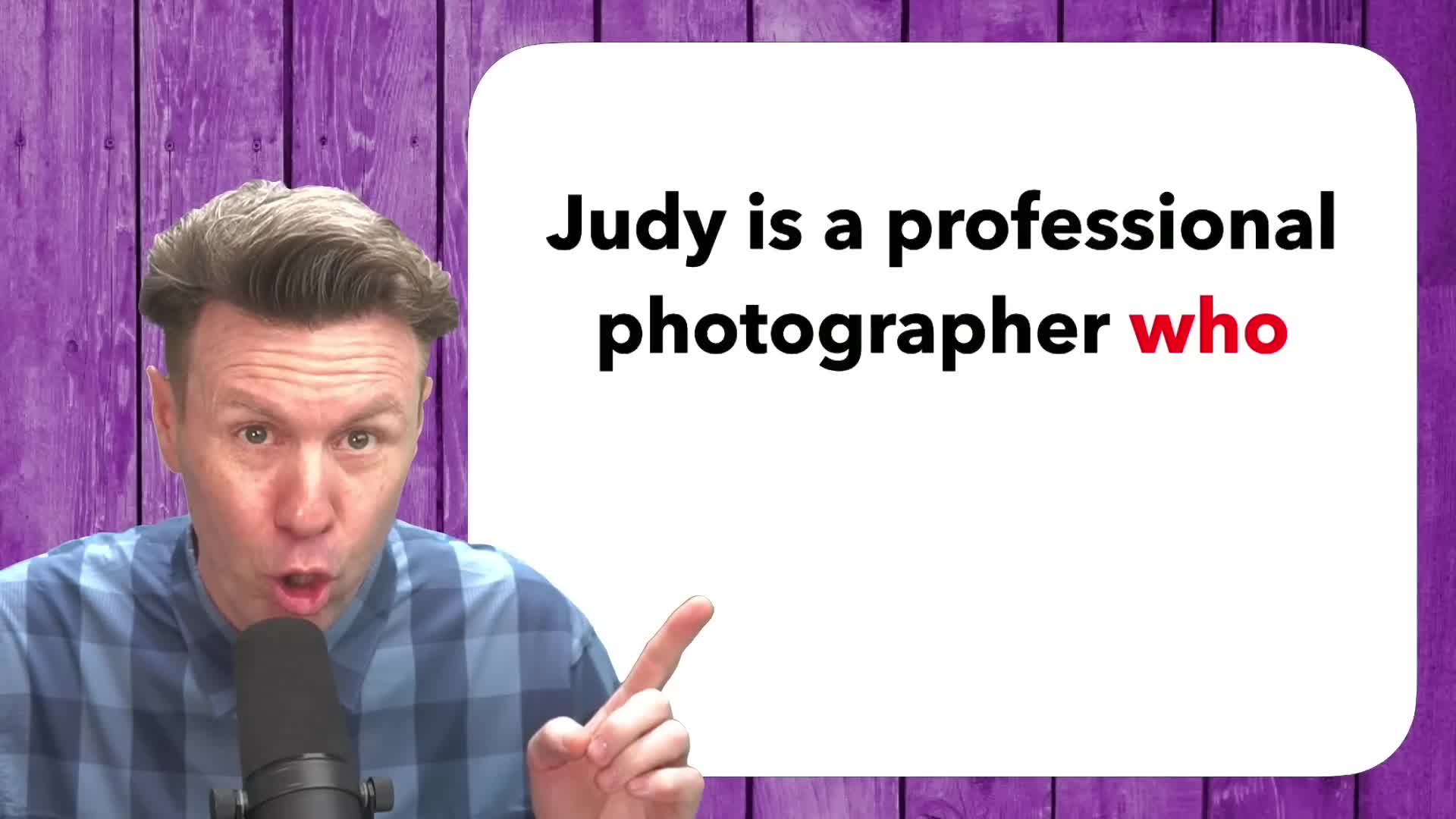
[The Art of the Backhanded Compliment: A Story of Wit and Retaliation]-[Fun SHADOWING English Speaking Practice with Story]
📋 Summary
The Subtle Art of the Backhanded Compliment
Language learning often transcends mere grammar and vocabulary; it delves into the nuances of human interaction and cultural wit. This podcast episode utilizes a narrative about a professional photographer named Judy to illustrate the concept of a "backhanded compliment"—a social phenomenon where a remark appears to be praise but carries an underlying, often insulting, implication.
The Incident: When Praise Turns into an Insult
Judy, who "takes great pride in her pictures," is a passionate professional who loves "sharing her work with others whenever she gets the chance." The conflict arises during a social gathering where she presents her photography to her host, Sandra. Sandra’s reaction initially seems positive, as she remarks, "Wow, these are really nice pictures." However, the atmosphere shifts immediately when Sandra adds, "You must have a great camera."
This specific comment serves as the perfect example of a backhanded compliment. While it sounds like a compliment on the surface, it functions as an insult to Judy’s professional skill. By attributing the quality of the photos solely to the equipment, Sandra inadvertently dismisses the years of training, artistic vision, and hard work Judy invested in her craft.
The Reaction: Outrage and Implication
The podcast highlights the term "outraged" to describe Judy’s internal state. She was "outraged at the implication that her talent was just a result of the quality of her camera." This breakdown is crucial for learners: an "implication" is a suggestion made indirectly. Judy recognizes that Sandra is not actually praising her, but rather devaluing her artistic contribution. The tension in the story stems from this clash between the superficial politeness of the comment and the biting reality of its subtext.
The Retaliation: A Masterclass in Passive-Aggression
Instead of creating an immediate scene, Judy displays remarkable composure. She "waited until the end of the meal" and expressed gratitude for the "delicious food." However, she delivered a final, calculated blow as an "afterthought"—a thought added as if it were a minor, last-minute realization. She turned the tables on Sandra by stating, "You must have a nice oven."
This retort is brilliant because it mirrors Sandra’s own logic. By suggesting that the quality of the meal is due to the kitchen equipment rather than the chef’s skill, Judy effectively exposes the absurdity and rudeness of Sandra’s original comment. It is a classic case of "giving back what you get," using the same linguistic structure to deliver a stinging critique.
Linguistic Takeaways
This story serves as an excellent vehicle for mastering several advanced English concepts:
- Taking Pride: The phrase "takes great pride in" is used to establish Judy’s professional identity.
- Backhanded Compliment: The core thematic vocabulary, defined as a remark that can be understood as an insult.
- Outraged and Implication: These words capture the emotional and logical weight of the interaction.
- Afterthought: A useful conversational tool for introducing a lingering or secondary point.
Through this narrative, the podcast demonstrates that language is not just about the words we choose, but the intent behind them. Judy’s story is a humorous, albeit sharp, reminder of how social dynamics are played out through subtle linguistic maneuvers.
Deep Learning with ListenLeap


