
[Friend or Enemy: The Wonders of Symbiotic Relationships in Nature]-[Friend or Enemy]
📋 Summary
Friend or Enemy: Navigating Nature's Symbiotic Bonds
In the complex web of life, survival often depends on the ability to distinguish between friends and enemies. Nature employs a fascinating strategy to overcome the dangers of the wild: the symbiotic relationship. These partnerships, where creatures help one another, serve as essential survival mechanisms. This exploration delves into how various species utilize these connections to defend themselves and thrive.
The Monarch Butterfly and the Milkweed: A Chemical Defense
One of the most striking examples of a symbiotic relationship is that of the monarch butterfly and the milkweed plant. Monarchs appear vulnerable, lacking obvious weapons like stings or poison. However, their defense system is rooted in their earliest stage of life. As caterpillars, they feed exclusively on milkweed leaves, consuming a "milky substance" that contains a potent poison.
While this toxin does not harm the monarch, it renders them unpalatable to predators. When birds or other animals consume the monarch, the toxins make them sick. This experience serves as a powerful learning tool; predators quickly learn to avoid these "brightly colored" insects, proving that the milkweed plant is a vital "true friend" to the butterfly’s survival.
The Lysenid Caterpillar and the Ant: A Mutual Exchange
Not all defenses are chemical; some are social. The Lysenid caterpillar faces constant threats from predators like wasps. To mitigate this, it enters a partnership with ants. The ant acts as a bodyguard, releasing a "particular liquid" that smells offensive to attackers, effectively deterring them. In a display of mutual benefit, the caterpillar produces a "sweet liquid" that serves as food for the ants. This exchange highlights how even small, soft creatures can secure their safety through cooperation.
The Sea Slug: Culinary Defense and Camouflage
Under the ocean, the sea slug employs a multi-faceted defense strategy derived entirely from its diet. By consuming creatures known as hydroids, the sea slug stores specialized, pain-inflicting cells. It can later use these cells to protect itself, sometimes even shooting them at attackers. Furthermore, the sea slug utilizes its food to master camouflage; it takes on the color of whatever it eats. Whether it turns red or brown, the slug uses its diet as a "perfect way to hide from enemies," demonstrating that its food is its "greatest friend."
Protective Partnerships: Hermit Crabs and Keyhole Limpets
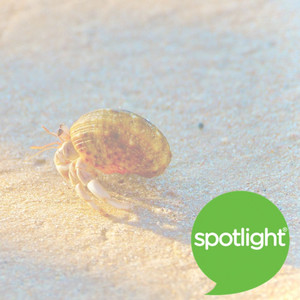
Nature also showcases physical alliances for protection. The hermit crab, often vulnerable, carries sea anemones on its shell. These anemones possess powerful, stinging cells that deter predators, providing the crab with an effective layer of security.
Similarly, the keyhole limpet provides a sanctuary for the sea worm. The worm resides within the "keyhole on the top of the limpet's shell," finding a safe home. In return, the sea worm actively defends the limpet against threats like starfish by biting their feet during an attack. These "unusual combinations" are not merely coincidental; they are refined evolutionary strategies that ensure survival in a dangerous world.
Conclusion: Lessons from Nature
These symbiotic relationships demonstrate that in nature, creatures defend the lives of their friends naturally and without hesitation. While the animal kingdom operates on the "laws of nature," the program suggests a broader human application. Unlike animals, humans possess the "freedom to choose." Just as these creatures survive through cooperation and mutual care, humans are encouraged to choose to "love each other." Ultimately, whether in the wild or in human society, choosing to care for others brings about significant, positive outcomes, proving that the concept of friendship is a cornerstone of existence.
Deep Learning with ListenLeap


