
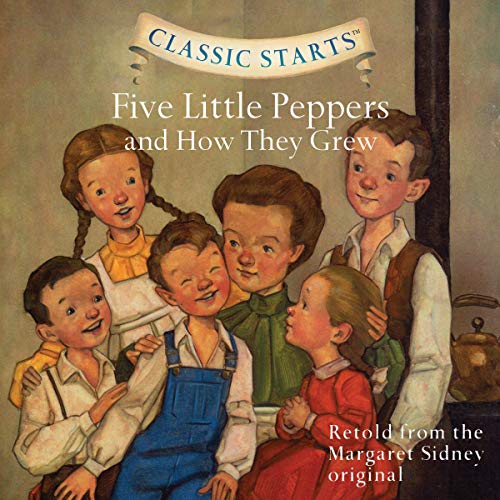
[The Trials of the Little Brown House: Resilience, Sacrifice, and Recovery]-[Five Little Peppers and How They Grew - Part 06]
📋 Summary
The Trials of the Little Brown House: Resilience, Sacrifice, and Recovery
The Emotional Toll of External Cruelty
The narrative begins in the "little brown house," where Mrs. Pepper returns to find her children, Polly and Joel, in distress. Polly is suffering from severe eye pain, exacerbated by the hurtful words of "Miss Jerusha Henderson." The text notes that a "big old mean woman made our Polly cry her eyes out," illustrating how emotional trauma can physically manifest and worsen an existing ailment. Mrs. Pepper’s reaction is one of protective maternal instinct; she vows that Miss Henderson "would never visit the little brown house again," highlighting the family's insular strength against outside judgment.
Dr. Fisher’s Warning and the Burden of Care
As Polly’s condition deteriorates, Dr. Fisher arrives, his expression growing "very serious." The stakes are heightened when Joel falls ill, forcing Polly to confront a difficult choice between her own recovery and her desire to help her family. When Polly attempts to remove her eye bandages to assist her mother, Dr. Fisher delivers a stern warning: "If you do, you will surely go blind and your mother will have to care for you all her life." This moment serves as a pivotal lesson in responsibility and the necessity of self-preservation, even when one’s instinct is to prioritize others over personal health.
The Crisis: A Silent Vigil
The atmosphere in the home shifts to one of profound anxiety as Joel’s life becomes "at risk." The narrative captures the hushed tension within the household, noting that "no one in the little brown house spoke above a whisper." This silence emphasizes the gravity of the situation and the family’s collective fear. The arrival of their neighbor, Mrs. Beebe, introduces a vital support system, underscoring the importance of community when a family faces overwhelming hardship.
Sacrifice and the Turning Point
The climax of the story occurs when Polly, overcome by despair, offers a desperate prayer: "Dear God, I'll give up my eyes. Make me blind if only you'll make Joel well." This act of profound altruism highlights Polly’s deep devotion to her brother. It is only after this emotional release that Polly finally falls asleep, signaling a moment of surrender and trust.
Redemption and Renewal
The resolution arrives when Mrs. Beebe awakens Polly with the news that "the danger is gone" and Joel is "going to get well." The relief is palpable, as Polly celebrates the recovery of her brother, who will soon be "running and tumbling around in no time." The story concludes on a note of optimism, affirming that despite the "damage" caused by illness and emotional strife, the bonds of the Pepper family remain resilient, and the promise of a return to normalcy—being "good as new"—is finally fulfilled.
Deep Learning with ListenLeap


