
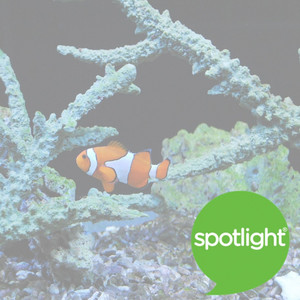
[Fish in Danger: How Rising Carbon Dioxide Levels Threaten Clownfish]-[Fish in Danger]
📋 Summary
The Silent Threat: Carbon Dioxide and the Future of Clownfish
In the vibrant, bustling world of the coral reef, the clownfish is a master of survival, relying on the protective embrace of the anemone to stay hidden from hungry predators. However, recent observations by marine scientists have revealed a disturbing trend: some clownfish are failing to recognize the presence of predators, remaining exposed in the open while others instinctively dash for safety. This behavioral shift is not merely a quirk of nature; it is a profound indicator of how human-induced environmental changes are fundamentally altering the lives of marine creatures.
The Symbiotic Connection and the Predator Problem
Clownfish maintain a unique relationship with anemones. As the script notes, "anemones need clownfish to clean them," and in return, the clownfish use the anemone for protection, hiding inside when a predator approaches. This balance has existed for ages. However, as ocean waters become warmer and more acidic due to rising carbon dioxide levels, this delicate ecosystem is under siege. The carbon dioxide, stemming from "factories, cars, farms, and fires," is not only warming the planet but also increasing the acidity of the world's oceans, which in turn "kills the small coral animals that build the reef."
Experimental Evidence: The Loss of Sensory Perception
To understand why some fish act as if they are oblivious to danger, Dr. Steve Simpson of Bristol University conducted a controlled experiment. By placing clownfish in tanks with varying levels of carbon dioxide—mimicking potential future ocean conditions—scientists observed a stark contrast in survival instincts. While clownfish in normal water quickly swam into hiding at the sound of a predator, those in high-carbon-dioxide tanks showed little reaction.
Dr. Simpson suggests that the fish are "losing their senses," specifically their ability to hear or smell approaching threats. This sensory impairment is catastrophic. As Dr. Simpson explained, "sounds are also important for finding a mate, hunting in groups and finding food." Without these critical sensory inputs, the reef transforms from a home into "a wall of mouths waiting to receive the clownfish."
Neurological Impacts and the Hope for Adaptation
Why does carbon dioxide have such a devastating impact on fish behavior? Scientists have found no "physical damage to the fish's ears," leading them to hypothesize that the gas is causing a "neurological change" or impacting the fish’s stress levels. This suggests that the internal chemistry of the fish is being rewired by the chemical composition of the water surrounding them.
While some researchers hold onto the hope that clownfish might "change to accept the new environment," this potential for adaptation is contingent on the pace of climate change. Evolution requires time, and if the water chemistry shifts too rapidly, the clownfish may not be able to catch up.
A Call to Action
The plight of the clownfish serves as a cautionary tale regarding the broader health of our oceans. The degradation of coral reefs and the behavioral changes in marine life are "just one small sign of larger changes to the ocean environment." The conclusion is clear: unless there is a global effort from "governments, industry, and individual people" to curb carbon dioxide emissions, the future of these marine ecosystems remains precarious. Our individual and collective actions carry immense weight, determining whether the vibrant life of the reef will persist or succumb to the silent, invisible pressure of a changing climate.
Deep Learning with ListenLeap


