
[Fueling the Mind: The Science of Brain-Healthy Nutrition]-[Feed your brain]
📋 Summary
Fueling the Mind: The Science of Brain-Healthy Nutrition
How we eat directly impacts our cognitive performance. While the human brain accounts for only 2% of our total body weight, it consumes 20% of our daily energy intake. This podcast explores the essential relationship between nutrition, brain chemistry, and mental acuity.
The Physiology of Brain Nutrition
Our brains are active 24 hours a day, requiring constant fuel. Nutritionist Dr. Rita Achary emphasizes that a balanced diet—one containing the proper types and amounts of nutrients—is critical for optimal brain function. When individuals fail to maintain this balance, they may "go low on" essential nutrients, leading to a noticeable decline in mental sharpness. Being sharp, or intelligent and quick to react, is directly linked to consuming a full complement of vitamins, minerals, and proteins.
The "Rainbow Rule" and Superfoods
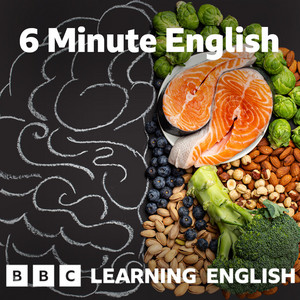
Dr. Achary advocates for the "Rainbow Rule," which encourages eating foods of many different colors, particularly leafy greens. While specific "superfoods" such as wild-caught Alaskan salmon, avocados, berries, and walnuts are frequently cited as brain boosters, there is often a misconception that healthy eating is exclusively for the wealthy.
Practical Strategies for Healthy Eating
Blogger Michelle Munt challenges the notion that healthy eating must be expensive or time-consuming. She argues that the barrier to better nutrition is often our modern lifestyle and the perceived lack of time, which leads many to rely on processed, nutrient-poor microwave meals. To overcome this, she suggests batch cooking—the practice of cooking large quantities of food at one time to be frozen and consumed later.
By utilizing batch cooking, one can prepare nutritious meals in "20 minutes flat." The phrase "flat" is used here to emphasize that the task is completed exactly and quickly, proving that fresh, brain-healthy food is accessible even with a busy schedule.
Conclusion: Beyond the Sugar Rush
It is important to distinguish between sustained cognitive health and the temporary effects of diet. While a sugary snack might provide a short-term sugar rush—a sudden feeling of excitement and energy—it often results in an subsequent collapse in energy and focus. To maintain long-term mental performance, one must prioritize a consistent, nutrient-dense diet over convenience-based alternatives.
As a final trivia note, while humans possess significant cognitive abilities, the sperm whale holds the record for the largest brain in the mammal kingdom, weighing approximately 8 kilos. This serves as a reminder of the biological diversity in brain development and the universal need for proper fuel to support neurological health.

Deep Learning with ListenLeap


